On Dreams as Evidence That You Are Not Who You Think You Are
You wake up at 2:47 in the morning. You have been dreaming. The dream was vivid. In the dream, you did something you would not do.
The thing you did was specific. You were rude, in a way you have never been rude, to a stranger in a queue who did not deserve it. Or you kissed someone you should not have kissed, and you wanted to, and you went on wanting to right up to the moment the dream stopped. Or you watched a friend cry about a real grief and you laughed, not cruelly, just in the easy way one might laugh at a small absurdity, and the friend looked at you, and the laughing continued. Or you murdered someone. The details depend on you. The point is the same.
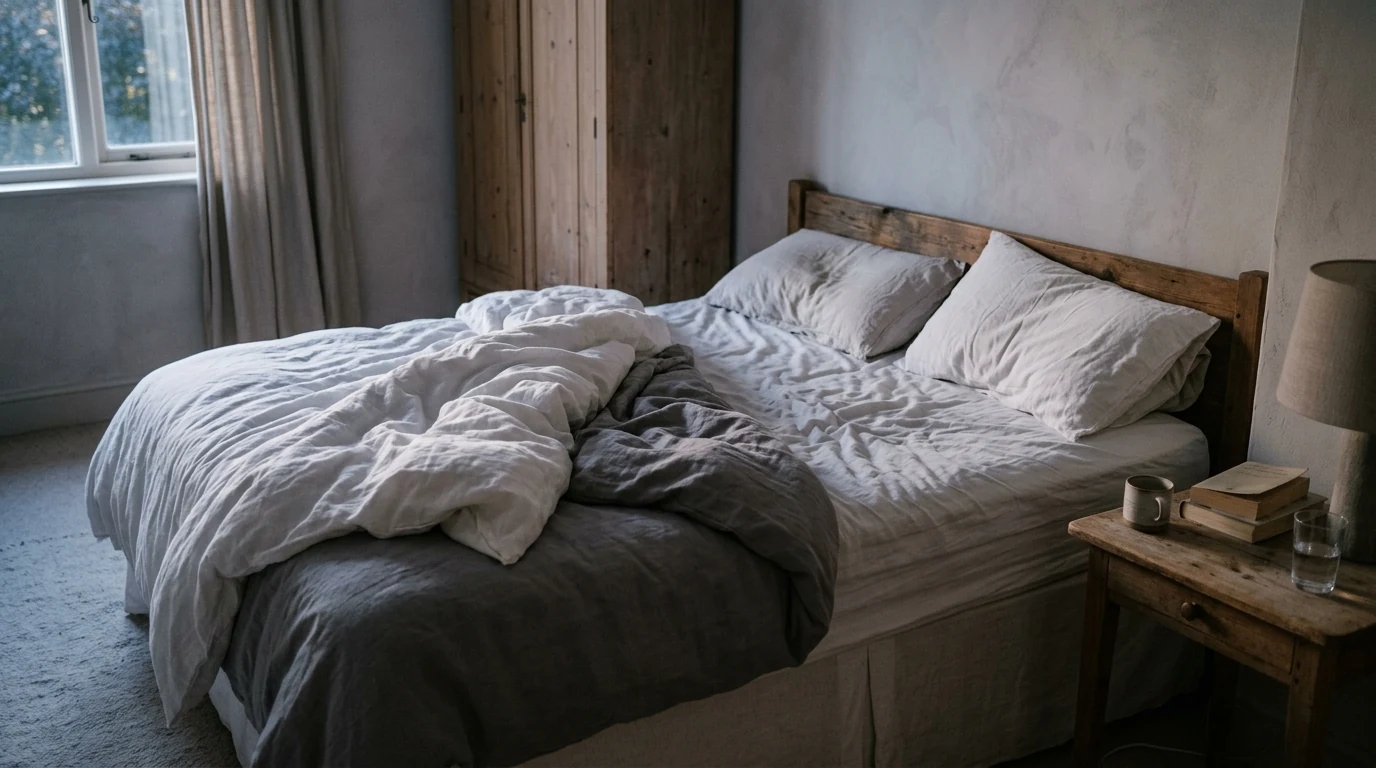
The body is still partly running the dream's chemistry. Heart rate is up. There is a residue of the emotion, sitting in your chest, that you cannot quite locate. You sit up. The room is dark. The clock says 2:47. You think, with the small alarmed voice of someone who has just glimpsed something they were not supposed to glimpse, what is wrong with me.
The framework you have inherited for what to do next is mostly the wrong framework.
A man called Sigmund Freud, around the turn of the twentieth century, proposed that the things you do in dreams are evidence of your real desires — buried wishes that the daytime self has censored away, which return in disguised symbolic form at night. This framework was enormously influential. It is also, in its specifics, mostly wrong. A century of dream research — Hobson's neurobiology of REM, Solms's reanalysis, the contemporary default-mode-network literature — has not been able to recover the specific Freudian claim that dream content systematically conceals hidden meaning. Dreams do something; they don't do that.
What dreams do is something simpler and more interesting.
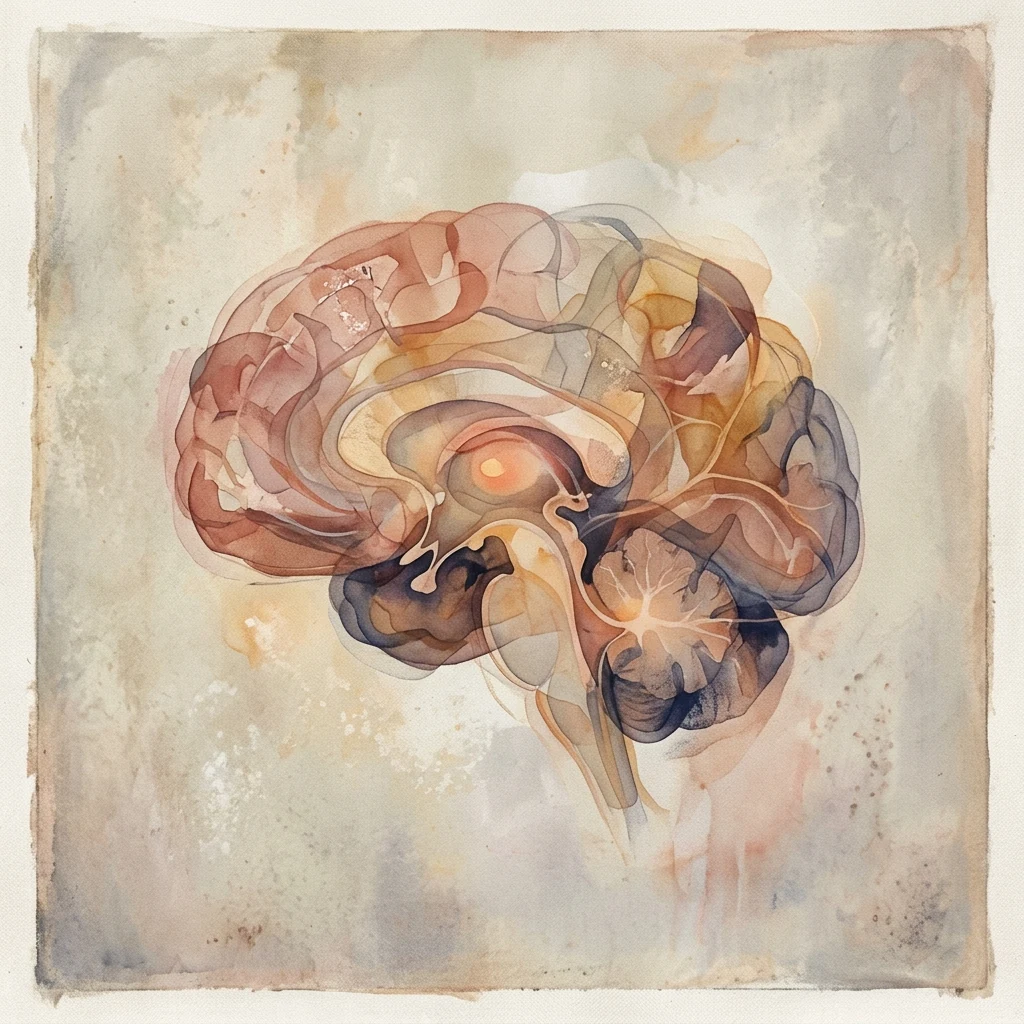
For about a fifth of every night, your brain enters rapid eye movement sleep. In REM, the brain is highly active — almost as active as in waking — but with one important asymmetry. The top-down inhibitory control that the prefrontal cortex normally exerts is reduced. The bits of you that get to keep the daytime version of you coherent — the part that filters, the part that decides which thoughts and impulses are allowed all the way to the surface, the part that says no, don't say that, that's not who you are — are mostly offline. The default-mode network, the part of the brain that talks to itself in the background, runs without supervision.
The parts of you that get to speak in REM, then, are not your hidden true self. They are the parts of you that are always there, but that the daytime version of you has, for a great many reasons, decided not to let do the talking.

The angry part is one. The lustful part is one. The grief-bearing part is one. The part that, for some reason you cannot articulate by day, thinks the friend whose grief you laughed at deserves it for a small private resentment — that part is also one. The part that, at four in a particularly bad afternoon, has wished a small harm on a colleague — that is one. None of these parts are alien. None of them are the real you underneath. None of them are the buried hidden self.
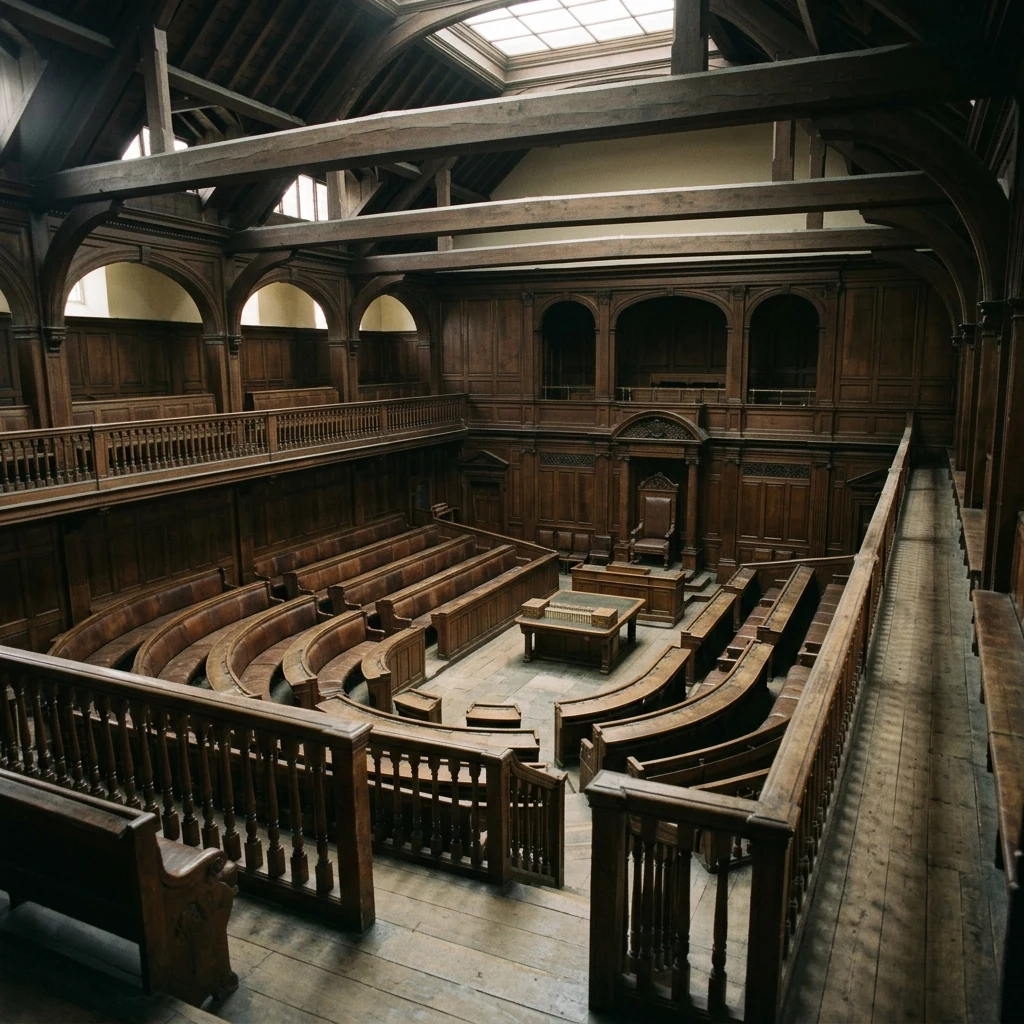
They are all you. They are all just quieter than the day-narrator. They are the rest of the parliament, briefly speaking with the speaker of the house asleep at his post.
This is the part the disquieting dream is evidence of. It is evidence that you are not one person. You are a collection of voices. By day, the narrator decides which voices are allowed to speak. The narrator is good at this. The narrator has been doing it your whole life. The narrator chooses, every morning, what kind of person you are going to be in the office today, and the parts of you that don't fit the office are politely silenced.
By night, the silencing eases. The other voices, the ones not invited to the office, get a turn. They are not the real you. There is no real you. There is just you, plural. The dream-you and the day-you are both you. The dream-you is just the part of the parliament that the day-you has been keeping quiet so that the day-you can hold down a job and not say the wrong thing at a dinner.
This is genuinely useful information.
It is useful because it reframes the panic of what is wrong with me. There is nothing wrong with you. The thing the dream showed you is not a glimpse of a secret monster underneath a careful surface. It is a glimpse of the full size of the building that you live in, briefly visible because someone left the door at the back open. The building has rooms in it that you do not normally use. The rooms have lights on them at 2:47am that you cannot see during the day. That does not mean the rooms are wicked. It only means there is more of you than the version of you who goes to work.
Your dream-you was rude to the stranger in the queue. Your day-you would not be. Both are you. Your dream-you laughed at the friend's grief. Your day-you would not. Both are you. Your dream-you kissed someone you should not have. Your day-you would not. Both are you.

The body settles. The chemistry winds down. You go back to sleep, or you don't, and the dawn comes anyway. By the time you are in the kitchen with the kettle, the day-you is back in charge, the doors are mostly closed again, the parliament is mostly quiet, and the version of you that was rude in the queue is gone from the surface.
The dream-you is fine. The dream-you is not waiting in ambush. The dream-you is not plotting. The dream-you is just one of the voices, taking the seat for a few minutes while the others rested, doing what the rest of the parliament does — being you, in a slightly different key.
The dream-you will be back at 2:47am on Thursday.

The dream-you is fine.
The dream-you is you, too.