Saturn's Rings Are Younger Than Flowers
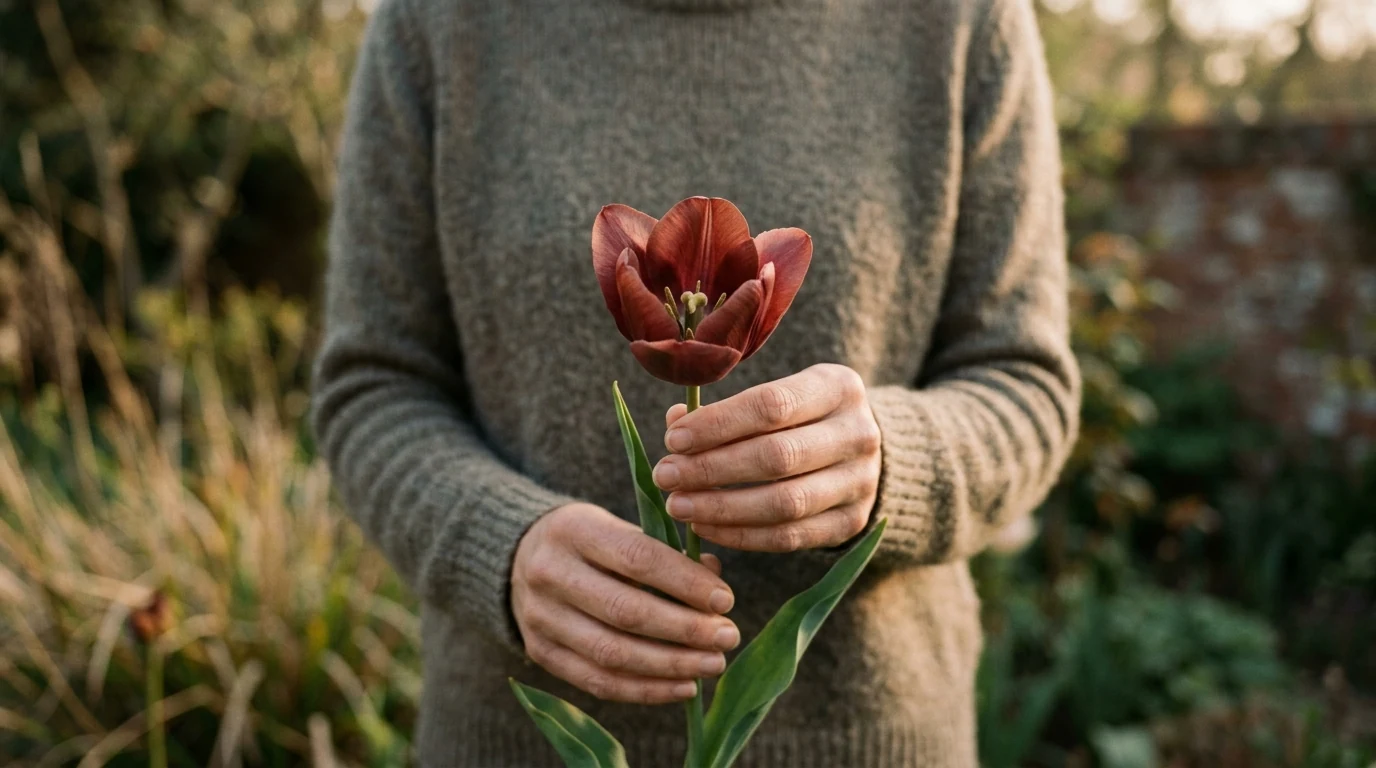
You are in a small garden in late spring. You are holding a flower. It does not matter which one — a tulip you cut from the edge of the bed, a peony from a friend, a daffodil you should have thrown out three days ago. It is the kind of object you have held a thousand times in your life and never once asked the age of.
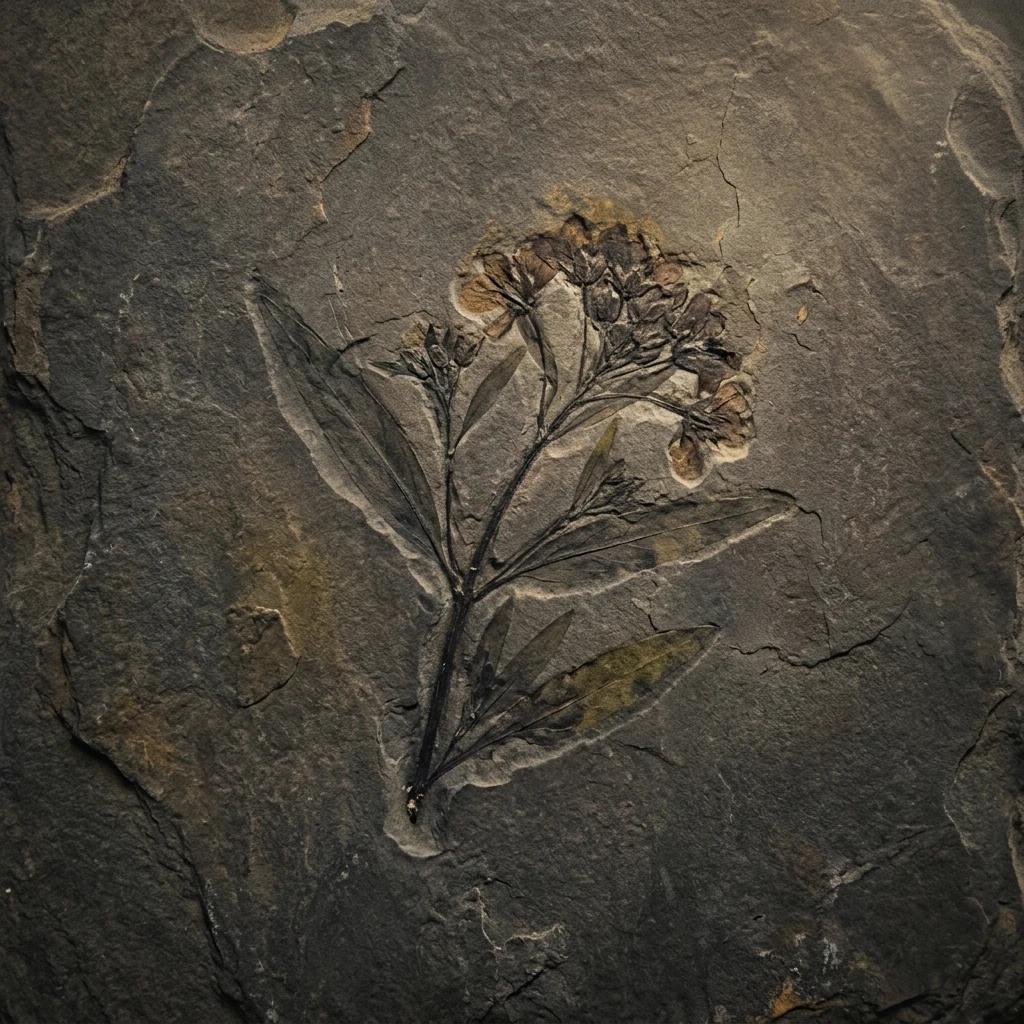
The flower in your hand is, as a category, about a hundred and forty million years old. Flowering plants — angiosperms — appear in the fossil record sometime in the early Cretaceous. The first ones were small and unremarkable. They were innovating, slowly, in the shade of much older plants who had been doing fine without flowers for the previous two hundred and fifty million years.
This is a long time. This is much longer than you can usefully imagine. Try it anyway.
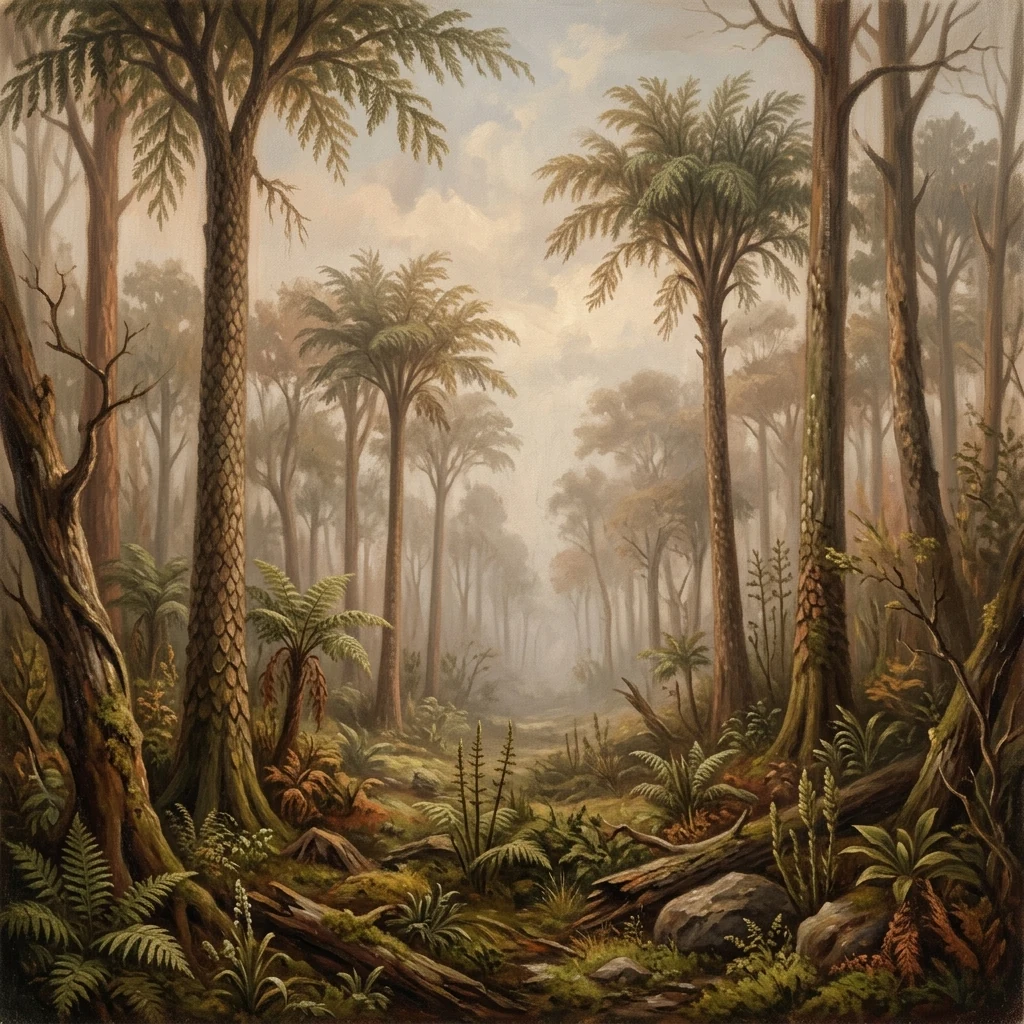
One hundred and forty million years before this morning, a tiny precursor of the tulip was being pollinated by a tiny precursor of the bee in the warm afternoon of a world you would not recognise. Several large reptiles were nearby. Most of them looked like reptiles. A few of them looked, in retrospect, like they were going to become birds. Mammals were small. You were not yet a thought in the universe.
That flower, in some sense, has been working out its own design ever since, in an unbroken chain, every spring, somewhere on this planet, with no gaps. The tulip in your hand is the current end of that chain.
Above the garden, if it were daytime and the sky were clear and you could see through it, somewhere out beyond Mars there would be a planet called Saturn. You know Saturn. Everyone knows Saturn. Saturn is the picture on every children's poster of the solar system. Saturn is the one with the rings.
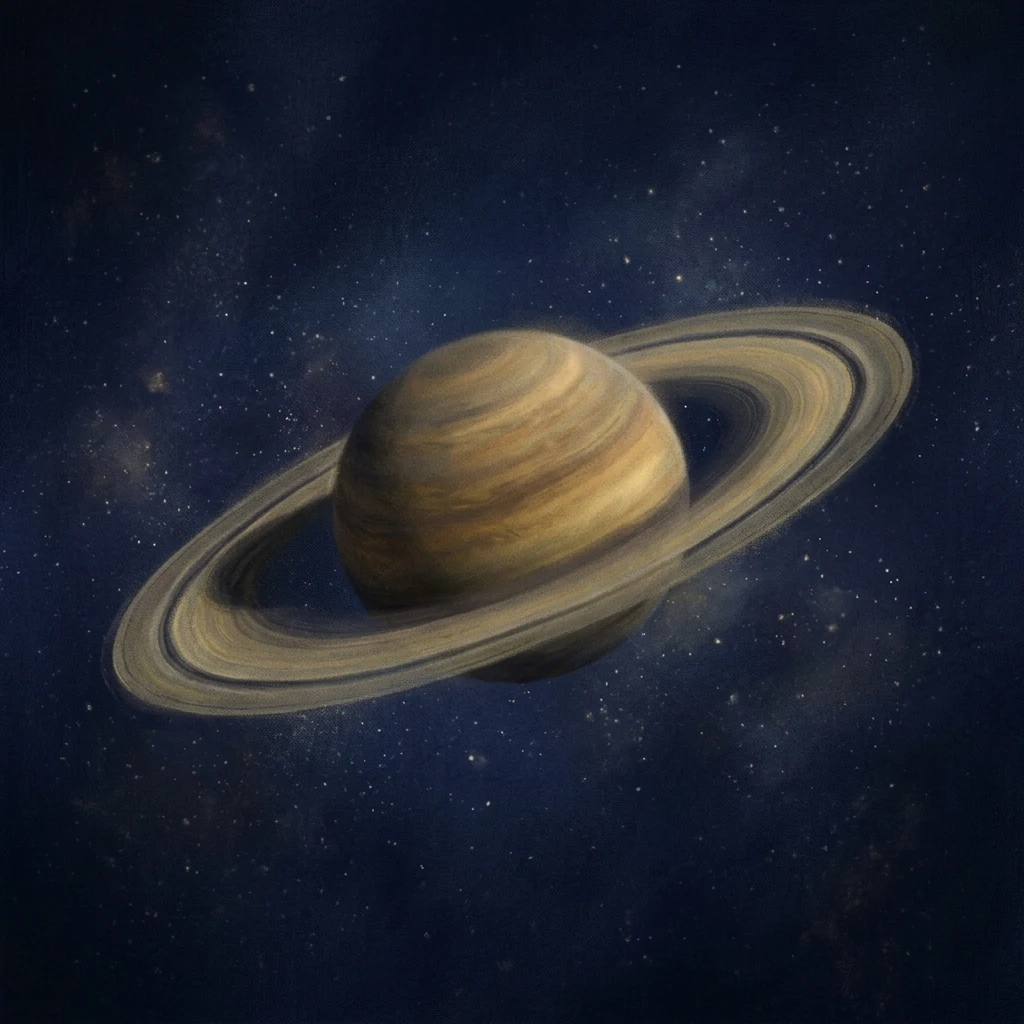
Saturn's rings are, by current best estimate, perhaps a hundred million years old. They might be younger.
You should read that sentence again.
The rings of Saturn are younger than the flower you are holding.
The way you have probably been picturing this, since you were six, is wrong. You have probably been picturing Saturn — the rings, the iconic shape, the planet on the poster — as having always been there. The rings, in your head, are part of the deep ancient sky. The flower, in your head, is part of the recent flimsy ground. You think of cosmic time as a thing that happens at the top of the page and biological time as a small thing that happens at the bottom.
It is the wrong way round. The Cassini spacecraft, before NASA dropped it into Saturn's atmosphere in 2017 on a final fatal orbit, took very careful measurements of how much the rings tug on Saturn and how clean the rings are. The numbers came back wrong for old rings. The rings are too icy. They have not had time to gather the dark cosmic dust that older rings would have collected. They are, geologically speaking, new.
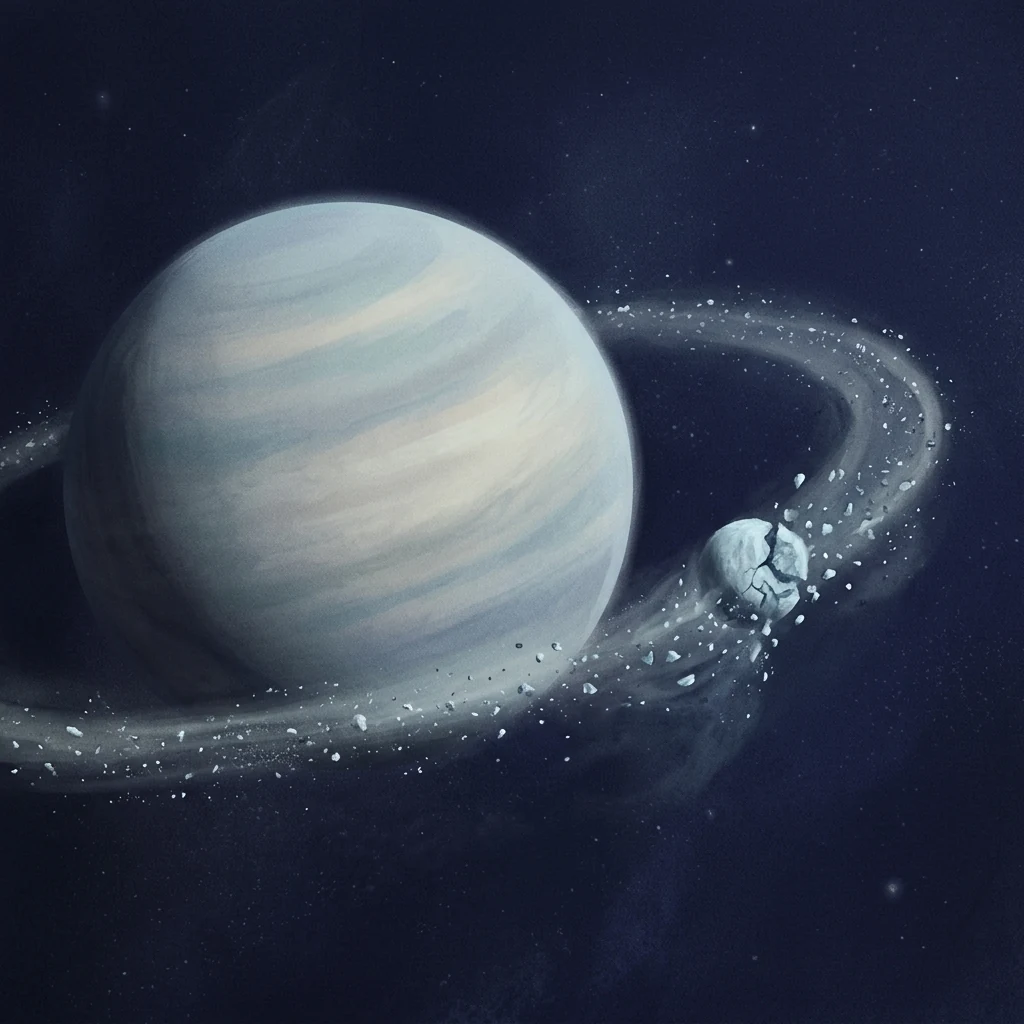
We do not know exactly when they formed. The best guesses involve a recent moon-shattering event in Saturn's neighbourhood — perhaps a small icy moon got pulled too close, perhaps two moons collided, perhaps something else that we have not figured out yet. Whatever it was, it happened, in round numbers, in the window between sixty and four hundred million years ago. Most current estimates land near the younger end. Most current estimates put the rings inside the dinosaur era.
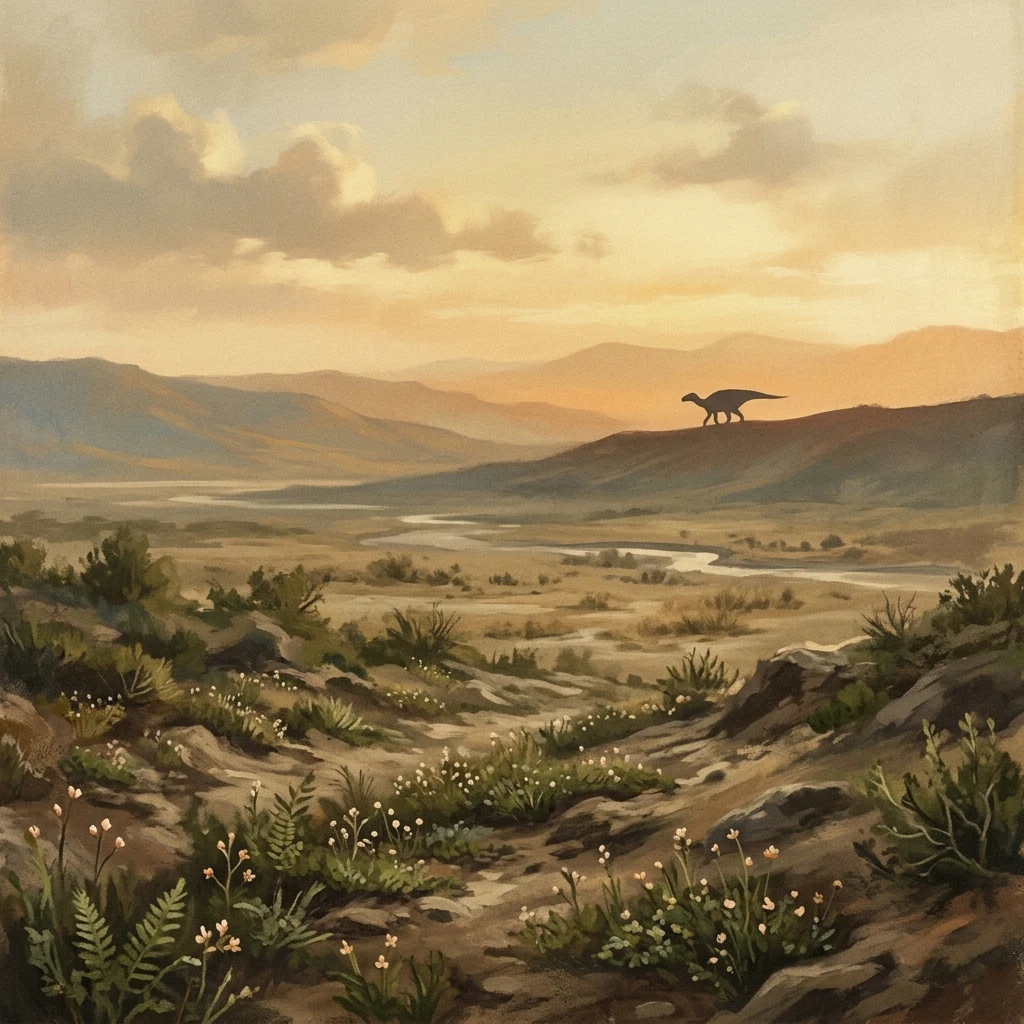
The Saturn that an early dinosaur looked up at — assuming an early dinosaur ever cared to look up — was a ringless Saturn. Just a yellow planet. The famous shape you see in every science museum poster did not yet exist. The rings came later.
They came in after the flowers.
This is the part you have not been told. You have been carrying around, your entire life, a model of the cosmos in which the sky is the old part and the Earth is the recent part. The model is the wrong way round. The sky has been rearranging itself the whole time. Stars have lived and died. Galaxies have collided. Comets have come in. Moons have shattered. Rings have appeared. The sky is not the ancient backdrop against which the recent Earth scurries. The sky is also recent, in places. The sky is also working it out.
Saturn was ringless when dinosaurs walked. The rings came in late — younger than the flowers the dinosaurs would have stepped on, younger than the trees they would have hidden behind, younger than the small warm mammals scurrying at their feet who turned out to be your ancestors.
The cosmos is not above human time. The cosmos is busy. The cosmos is rearranging itself on the same timescales as biology, sometimes more slowly, sometimes — strikingly — faster.
The flower in your hand is an extremely old design. The Earth in your shoes is older still. The trees behind you are older than both. The thing in the sky we keep showing children as a symbol of eternity — the rings, the rings — is, by any honest measure, a recent guest.
Older than your civilisation, certainly.

Older than your language and your alphabet and the names you have for those small mammals scurrying at the feet of the dinosaurs.
Younger than what is in your hand.
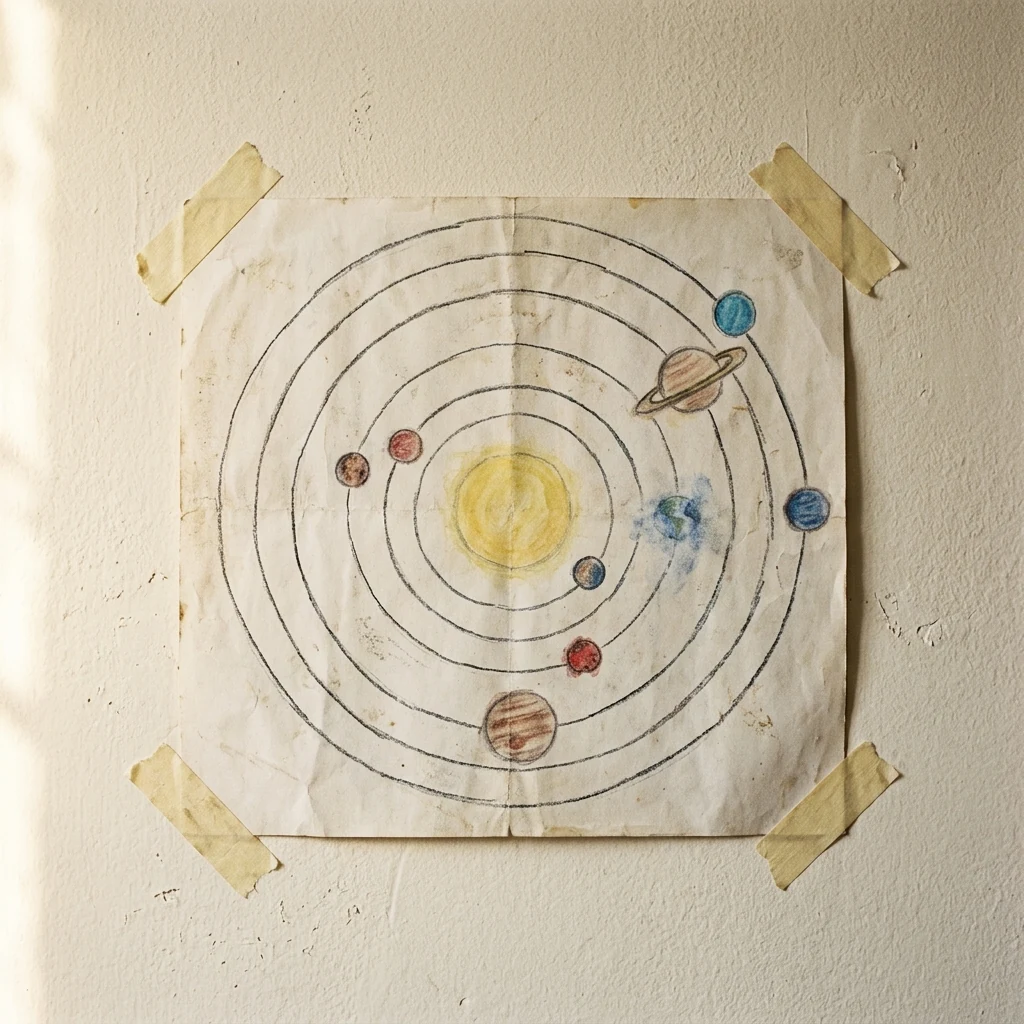
You put the flower in the small glass on the kitchen table. You wash your hands. The sky outside the window is going dark. Somewhere out there, a planet you cannot see is wearing rings it did not have when this flower's lineage began.
Both are doing the only thing either can do, for now, briefly.
Both are here at the same time.
You are here too.
This is enough.