On Having Been Warm Your Whole Life and What That Cost
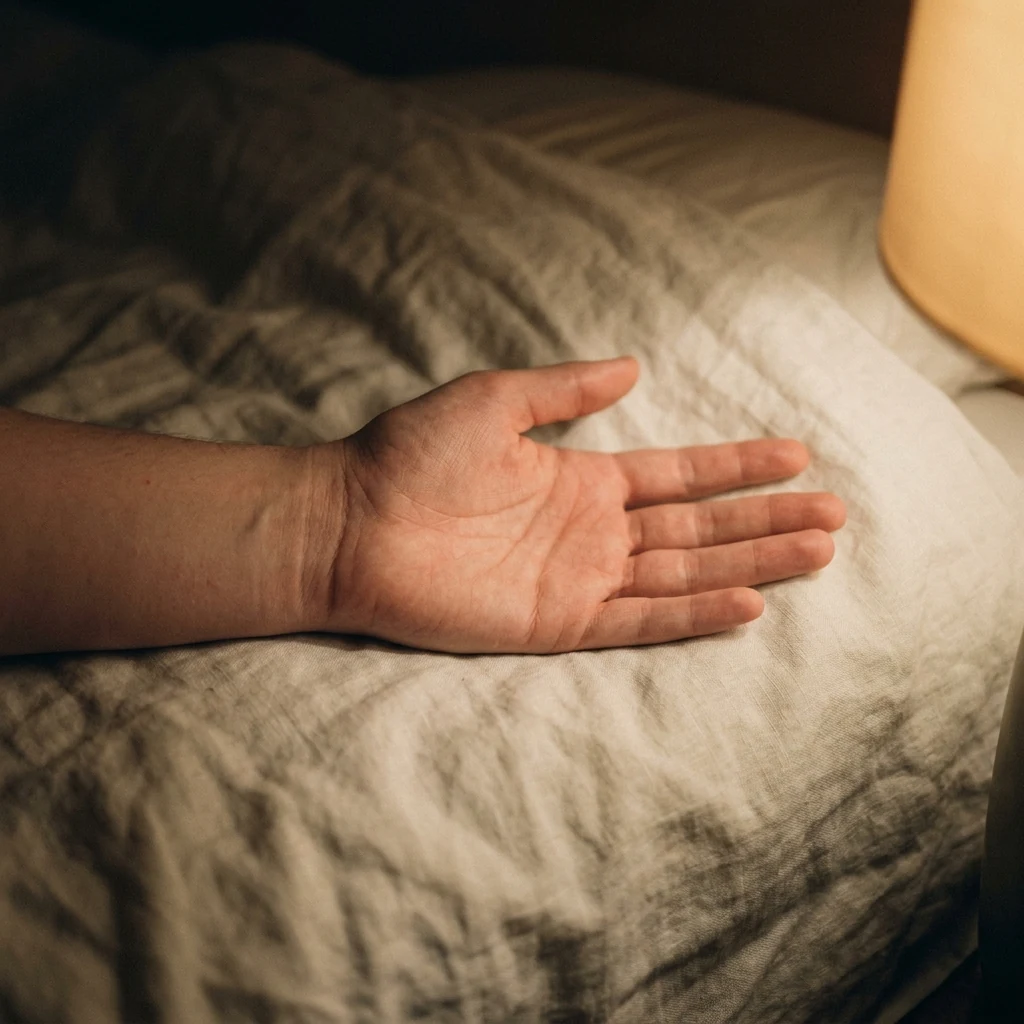
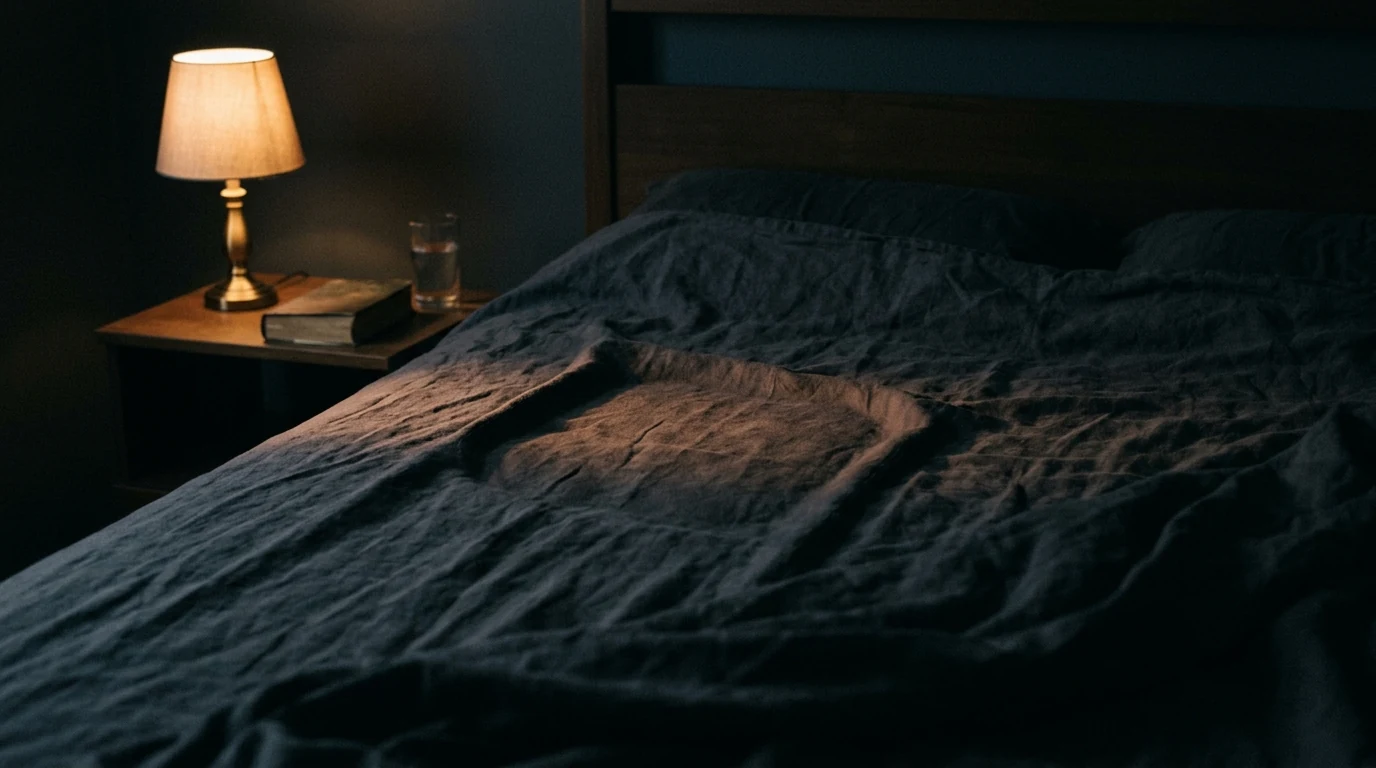
You wake up at three in the morning and feel for the warm patch on the sheet where you were lying. It is still there. The body has shaped the bed; the bed will hold the shape until it cools. You touch the patch with the back of your hand and the heat goes out of it into the air, and the air gives it to the room, and the room gives it to the wall, and the wall gives it to the night, and the night gives it to the universe, which has been collecting small warmths from small bodies for a very long time and shows no signs of giving any of it back.
You have been doing this for as long as you have been alive.
The body holds its temperature within about half a degree of thirty-seven Celsius for the entire stretch between the day you arrived and the day you stop. Sleep does not lower it much. Fever raises it slightly. Cold air, the wrong jumper, the long ride home on a wet motorbike — your skin tightens, your hair stands up, your peripheral vessels narrow, your liver works harder. The body does whatever it has to do to keep the small candle lit. It has been doing this without your input, without your gratitude, without you noticing, for every minute of every day of your life. It is doing it right now.
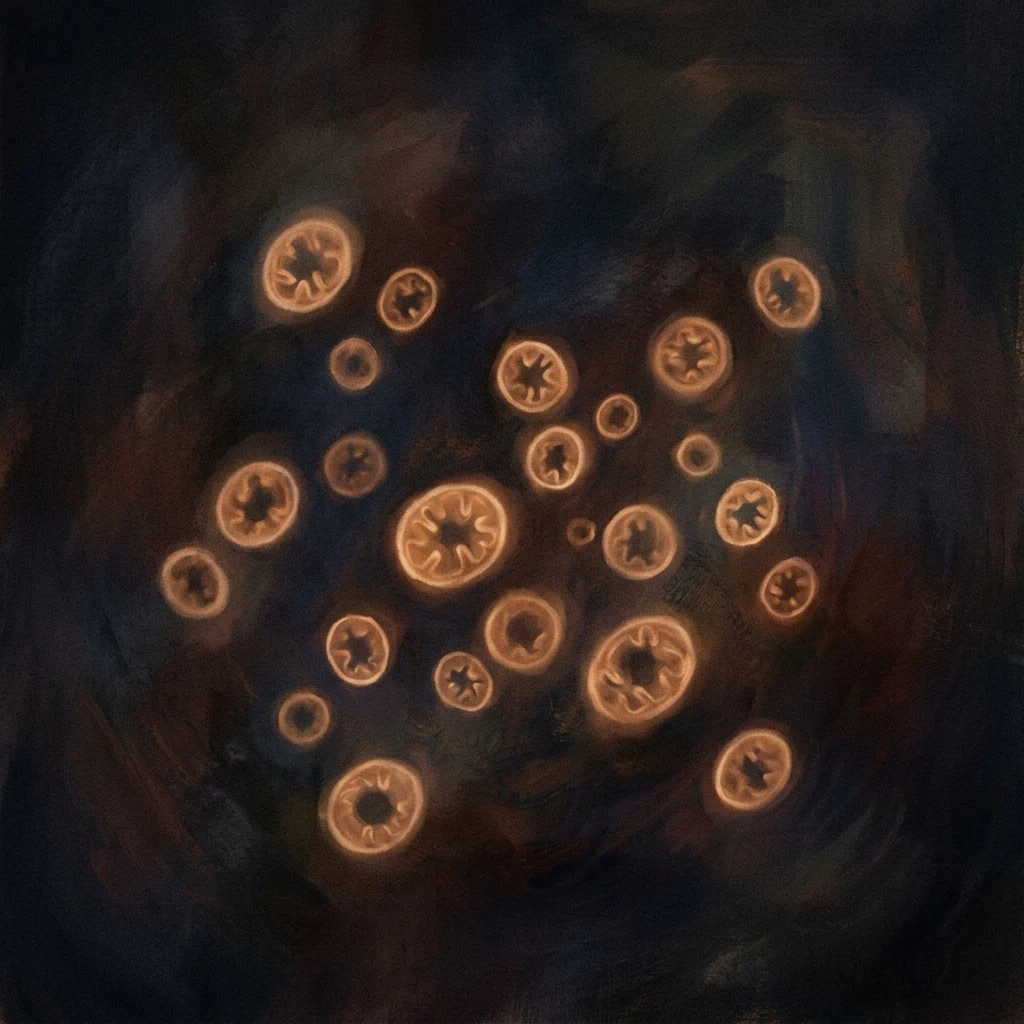
The work is not free. Every cell in you has a small structure called a mitochondrion — most cells have several hundred, some have thousands — and these are tiny chemical furnaces. They oxidise glucose. They burn the food you ate three hours ago. The brain alone, which is two percent of your body weight, takes a fifth of all the energy your furnaces produce. You spend an enormous amount of metabolic effort just keeping the warmth on. You eat about two thousand calories a day, give or take, and a large fraction of those calories is spent — not on running or thinking or working — but on simply not being cold.
The universe is cold. The universe is cold in a way you cannot really get your head around. The background temperature of empty space is about two and a half Kelvin, which is about minus two hundred and seventy degrees on the same scale as the kitchen thermometer. The number of cubic centimetres of nearly-absolute-cold in the universe is something like ten to the eightieth. Your body, a small warm thing about the size of a folded coat, has been holding the line against that, in one specific small corner of the room, for as long as you have existed. You are not winning. Nothing wins. But the line is being held. By you. By the inheritance you opened the morning you were born and have not yet finished spending.
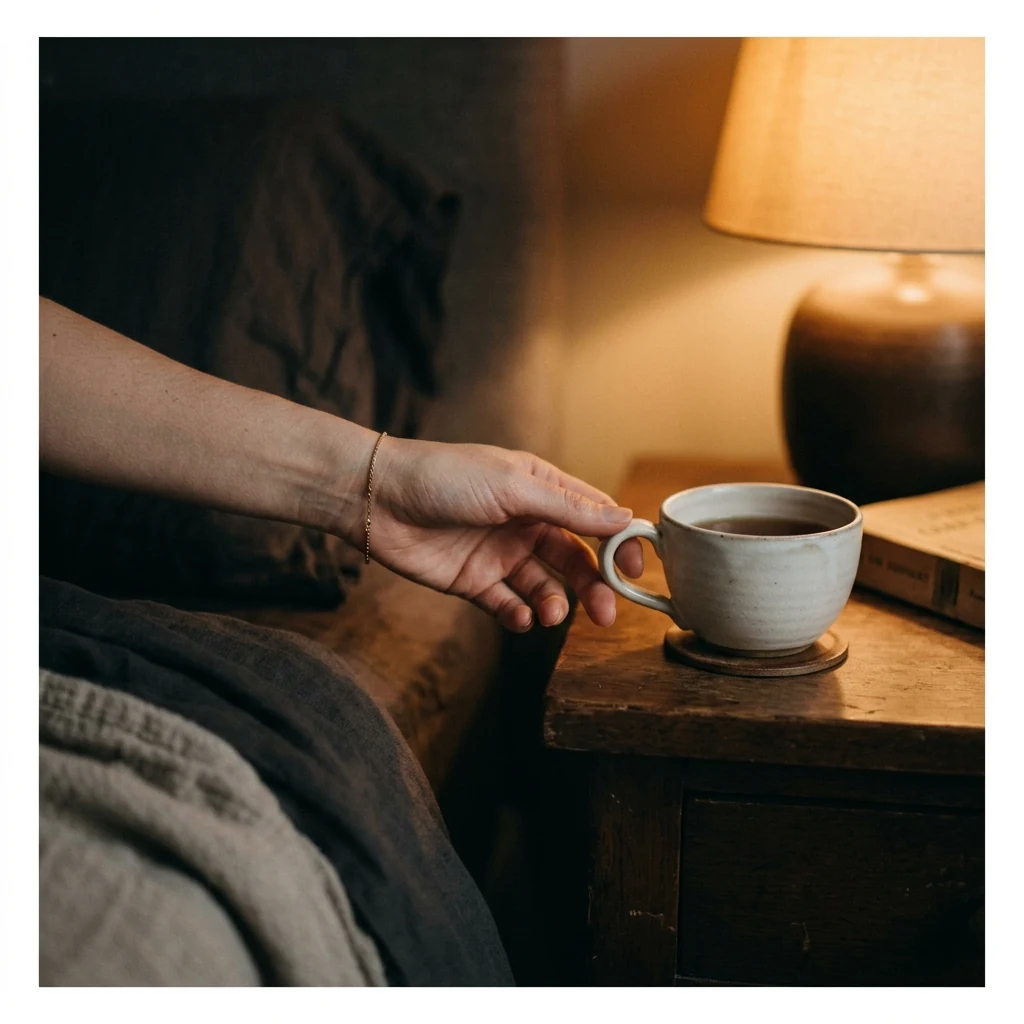
The cost is the inheritance. The warmth is the inheritance, too. They are the same inheritance. You did not borrow the warmth from somewhere; you came pre-loaded. Your mother's body kept you warm before you had your own way of doing it, and then on a specific day you were taken out and someone wrapped you in a small piece of cloth and from that moment forward you have been the only thing standing between your insides and the long cold outside. Every day since. The wrist that is reaching for the cup of tea on your bedside table at three in the morning is reaching with hands that have been forty-something years warm. You have never been cold all the way through. Even when you were cold you were not cold; you were a warm thing that happened to be experiencing the surface insult of cold weather.
And so — three hundred thousand mitochondria per cell, give or take, multiplied by the trillions of cells in you, multiplied by every second of every year you have been alive, all of them quietly burning — and so you, in the dark room, with your palm on the warm impression of yourself in the sheet, are recognising, perhaps for the first time, that you have been the source of this for your whole life and you have never once said anything about it.
You are not supposed to say anything about it. The body does not require it. It will keep doing the work whether you notice or not. The thanks are not the point. The point is that the small fire that is you is also the small fire that is letting you read this — the small fire is what does the reading; it is what does the loving; it is what does the talking; it is what does the thinking; it is the thing that warms the sheets next to a person who needs your warmth even on the nights when neither of you can sleep. The thinking and the warming are the same operation. The warming is not a side effect of being alive. The warming is being alive. The thinking is one of the things the warming does for fun.
One day the small fire will go out, and then there will be no more small fire and the sheet will cool down to room temperature in about four hours, and the room will keep going at room temperature, and the room will not notice. This will happen and it does not need anything from you. In the meantime, the warm patch is still there in the sheet, and it is yours, and you made it without thinking, and tomorrow morning you will make another one.
Touch the warm patch with the back of your hand. Hold it there. Feel the heat going slowly out. The fire is still on.
The fire is still on.