On Tree Time
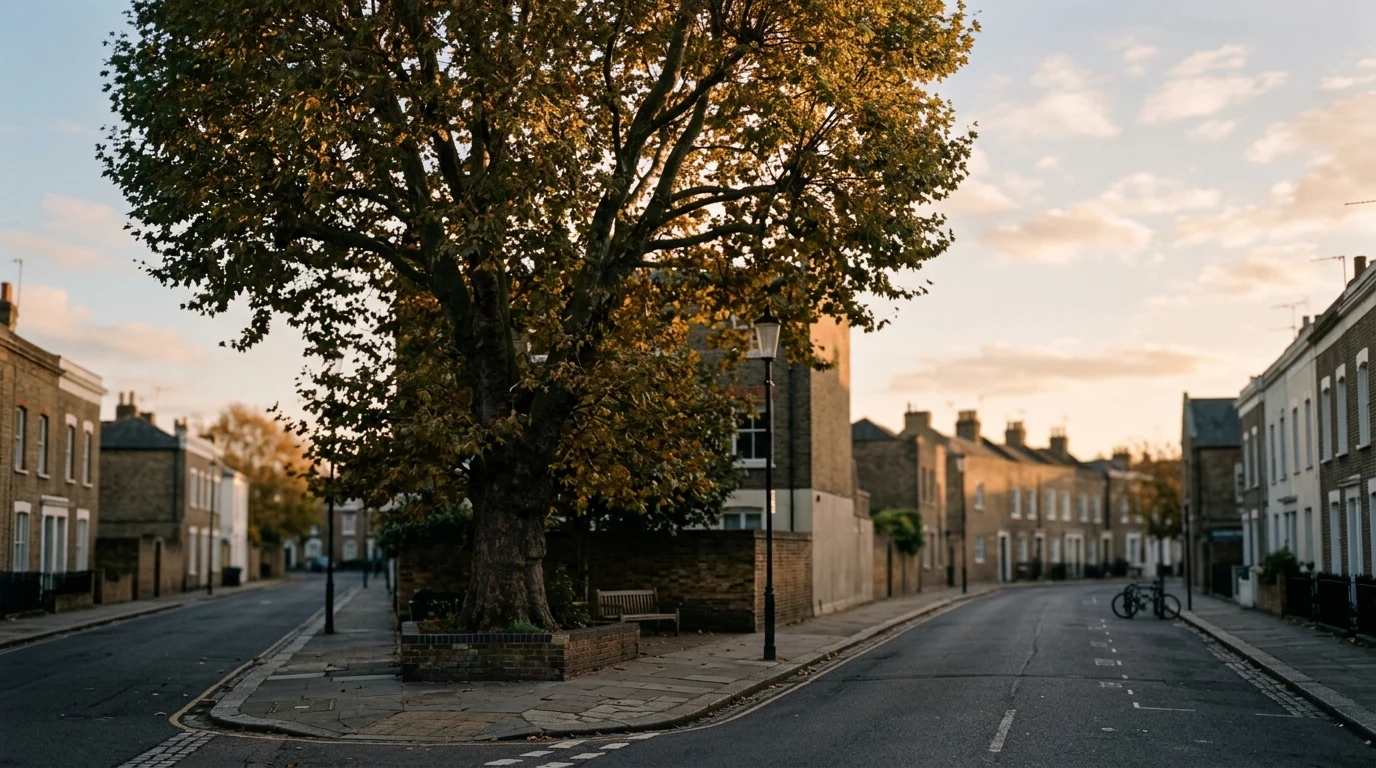
There is a tree on the corner of the street where you live, or used to live, or once lived for long enough that the tree counted you. You walked past it every weekday for some number of years. You did not look at it. It has not particularly registered you, either.
The tree is not in a hurry.
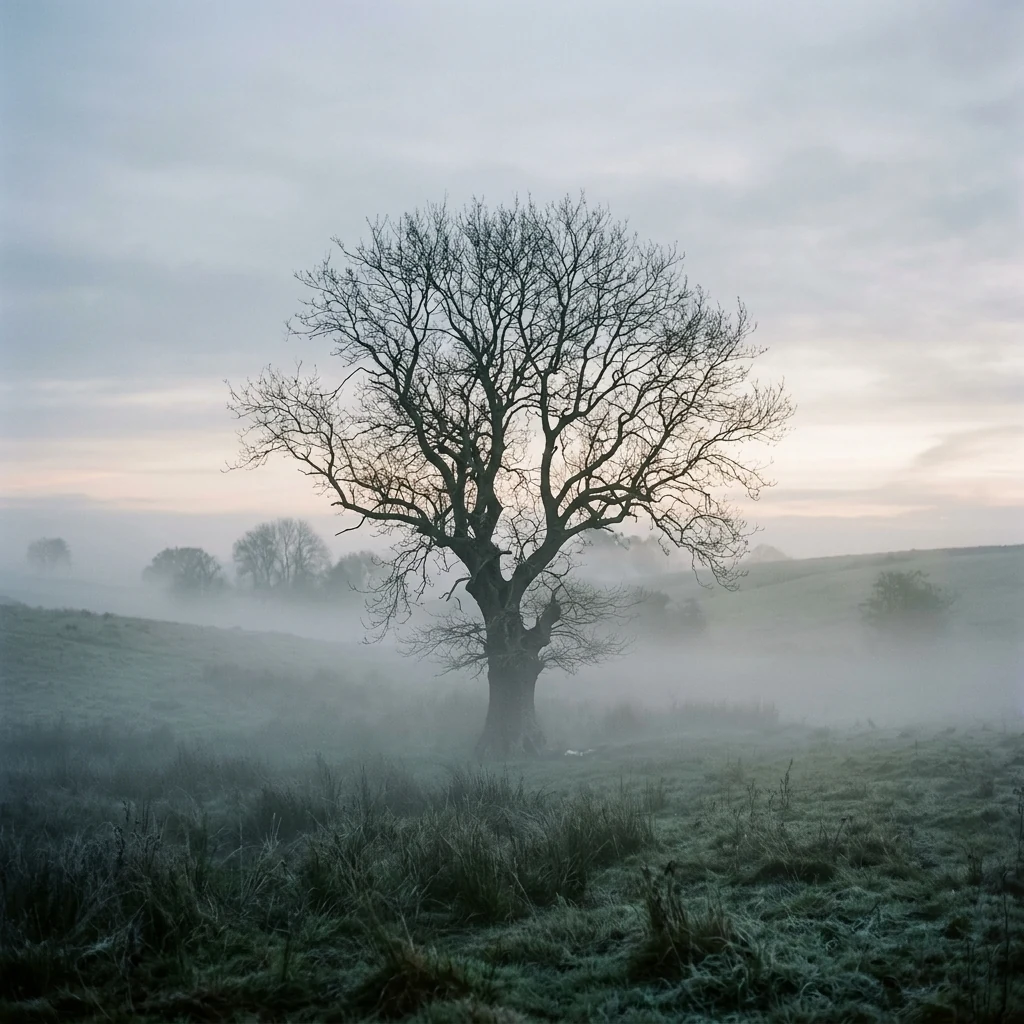
Last year the tree did the thing trees do — it pushed water up its trunk at a rate the tree considers normal, photosynthesised some sugar, made some leaves, dropped them. The tree's calendar is the year. The tree's day is the hour-of-light. The tree's minute is whatever the smallest decision a tree makes is, which is something like more water there, less here, and which the tree does not particularly notice having made, because the tree has been making it for as long as it has been a tree.
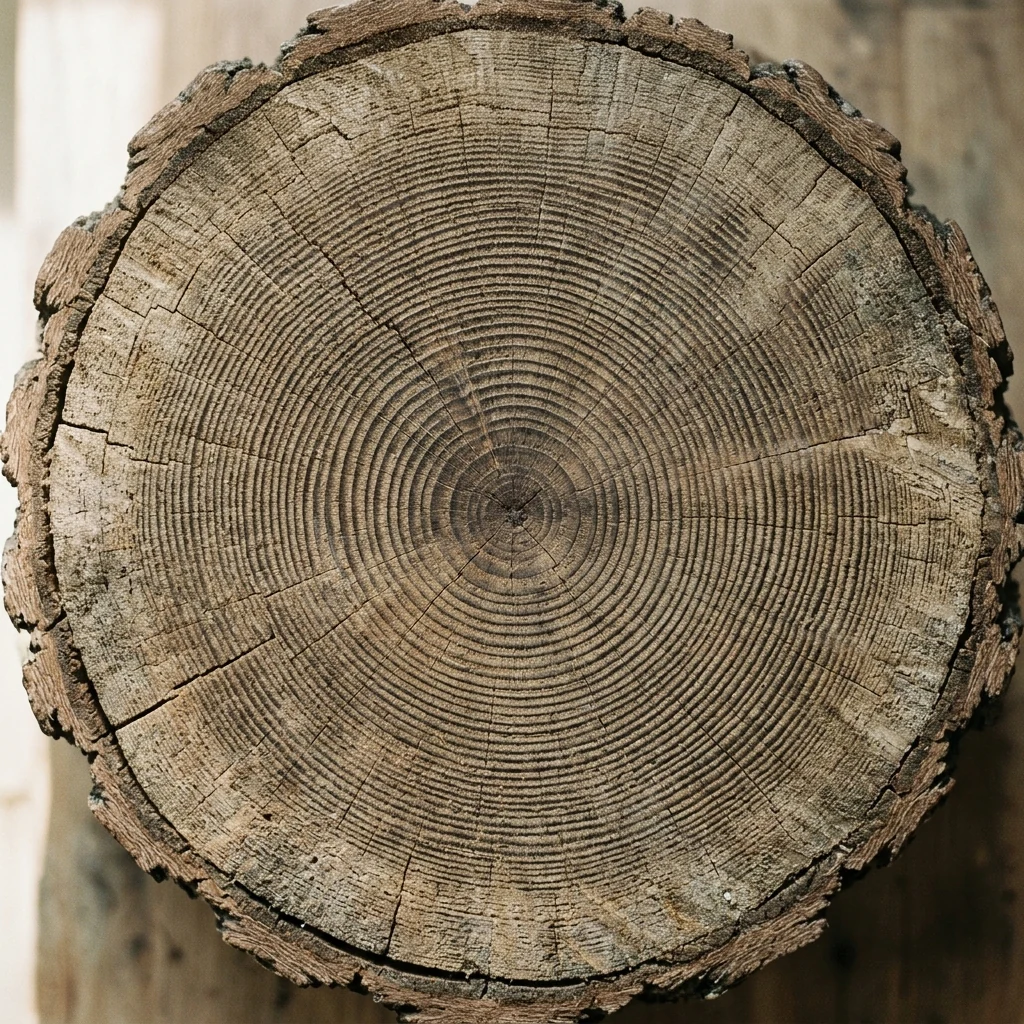
The oldest individual oak in your country is between four hundred and a thousand years old, depending on which oak we are talking about and how generous we are with what counts as the same individual when a third of the trunk has been replaced. Coast redwoods make it to two thousand. The Great Basin bristlecone pines have specimens that started growing before the construction of Stonehenge and are still going. The tree on the corner is probably nothing special. It is forty, sixty, eighty years old. It is here. It is going to be here for some long time after you stop walking past it.
This is not a metaphor. The tree is genuinely operating on a clock that has almost no overlap with yours.
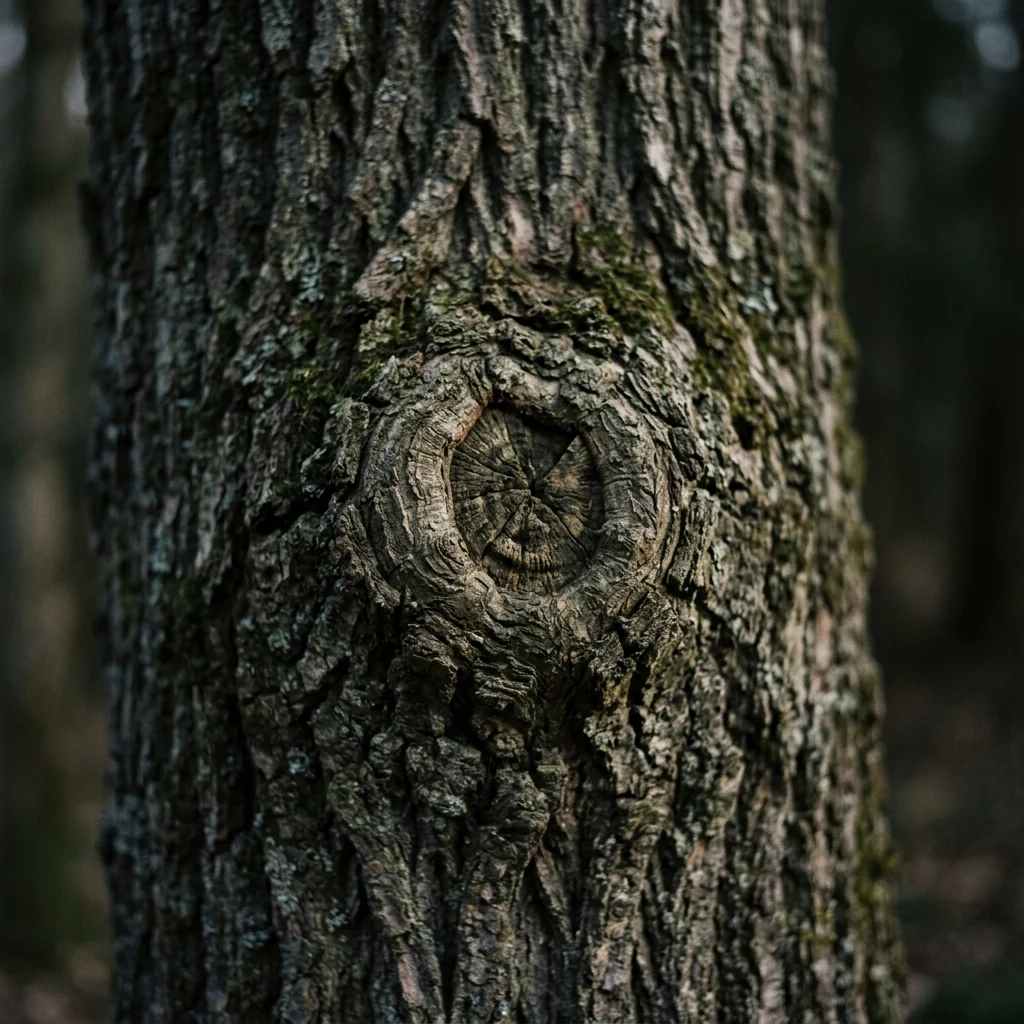
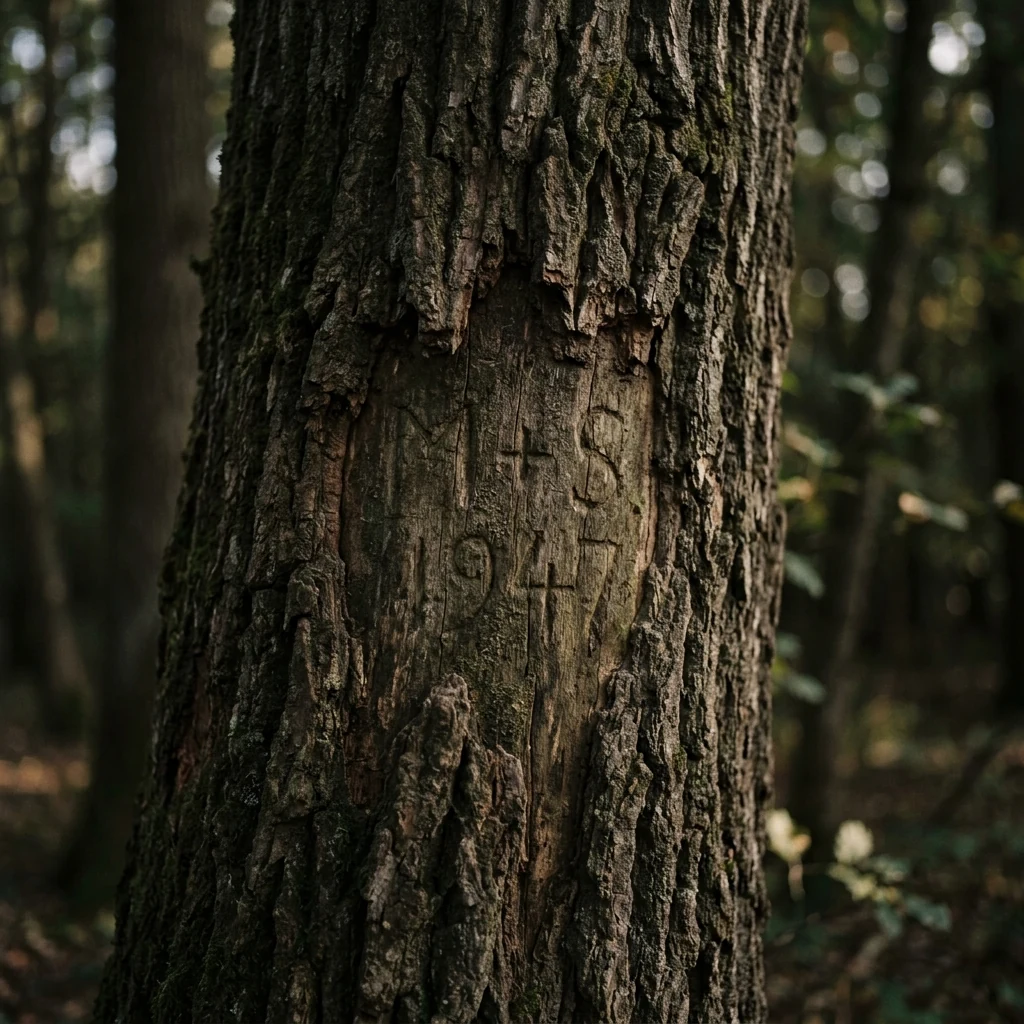
The tree does not have minutes. The tree does not have hours. The tree has light and not-light, water and not-water, growing-season and dormancy, and the four-or-five times in a long life when a branch fell or a person carved something into the bark or a fire passed through and the tree had to make a slow decision about whether to live with it. The tree's thinking — if you can use the word for what the tree is doing — happens at a tempo your mind cannot really hold onto. The tree's life is to your life as your life is to the life of a moth.
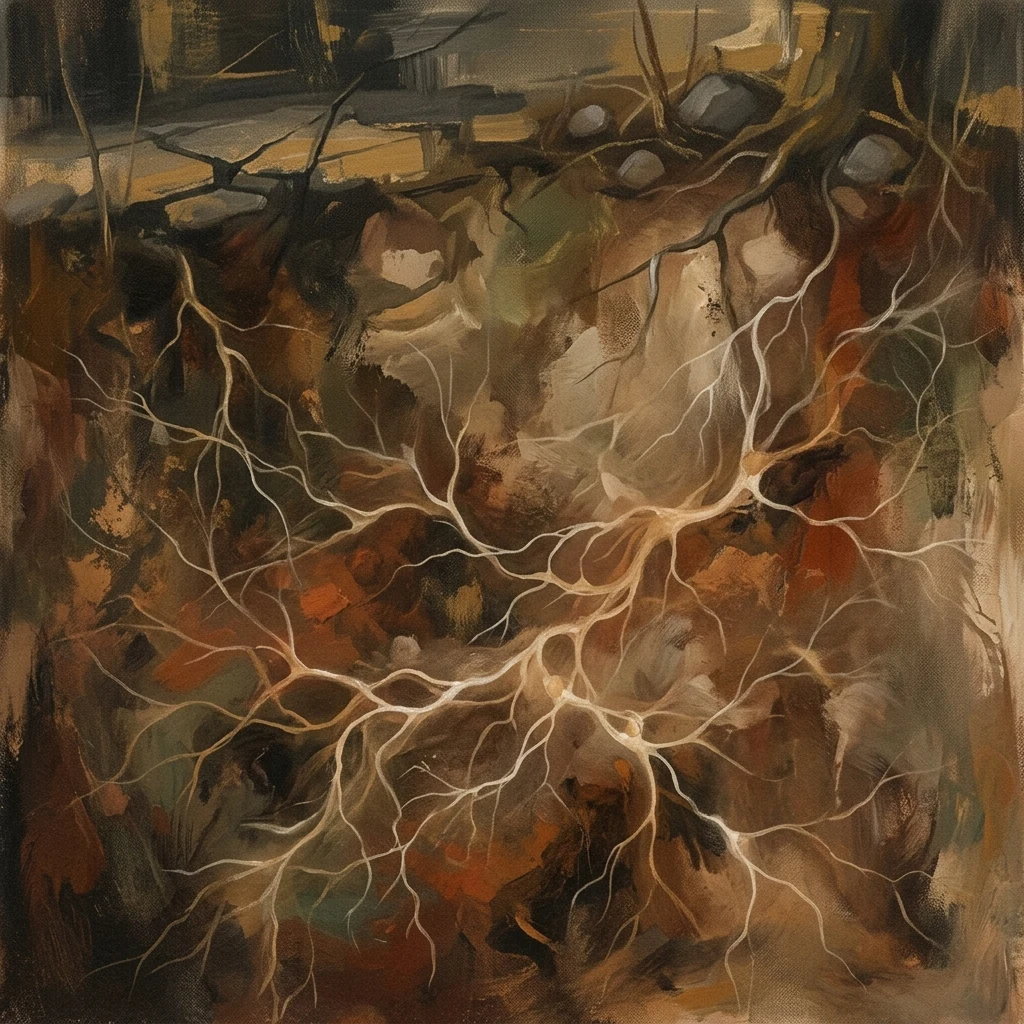
You have looked at it for fifteen seconds, total, across the years you have walked past it. The tree has been there for the equivalent of three of its own thoughts. It has had time, in those three thoughts, to grow eight inches and lose them again, to send a slow chemical message down through its roots to the fungal threads underneath, to register a frost and decide whether or not to drop a leaf early. It has had time, in those three thoughts, for nothing you can do anything with.
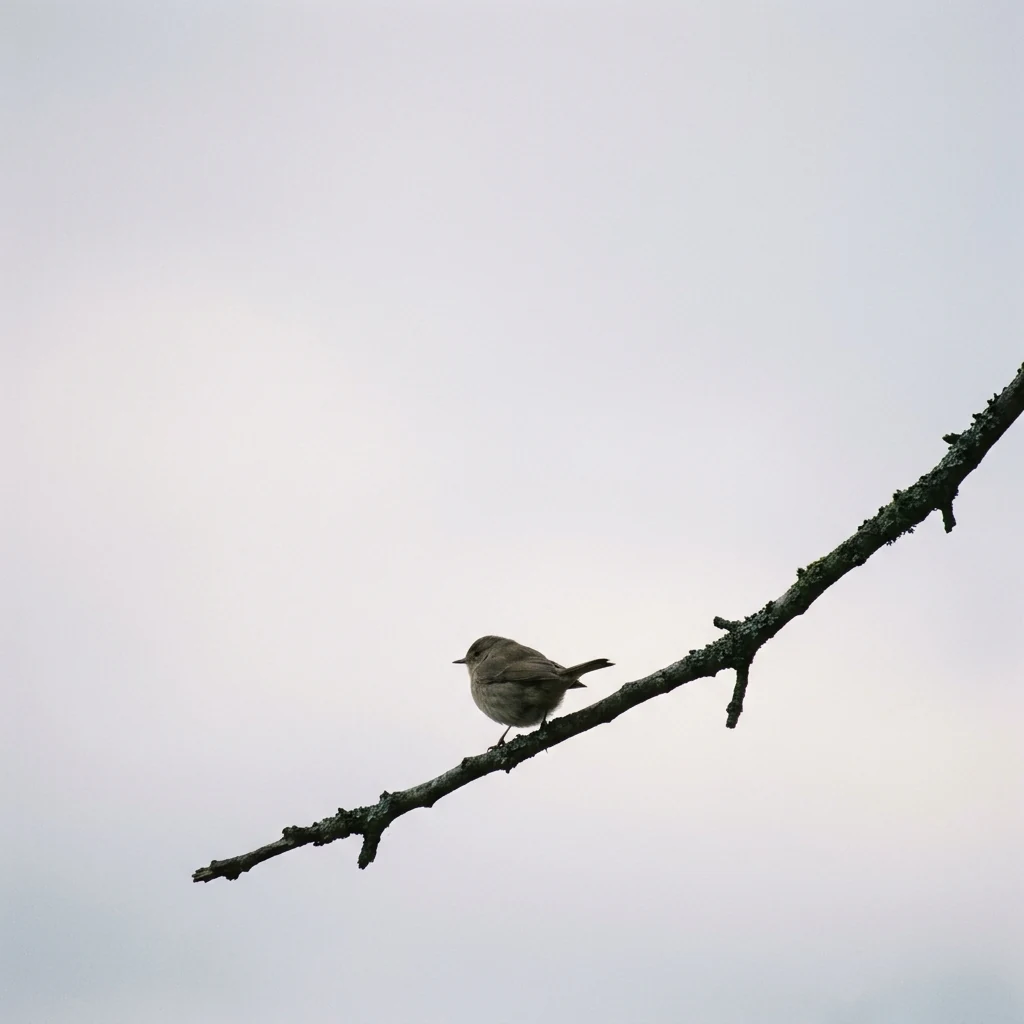
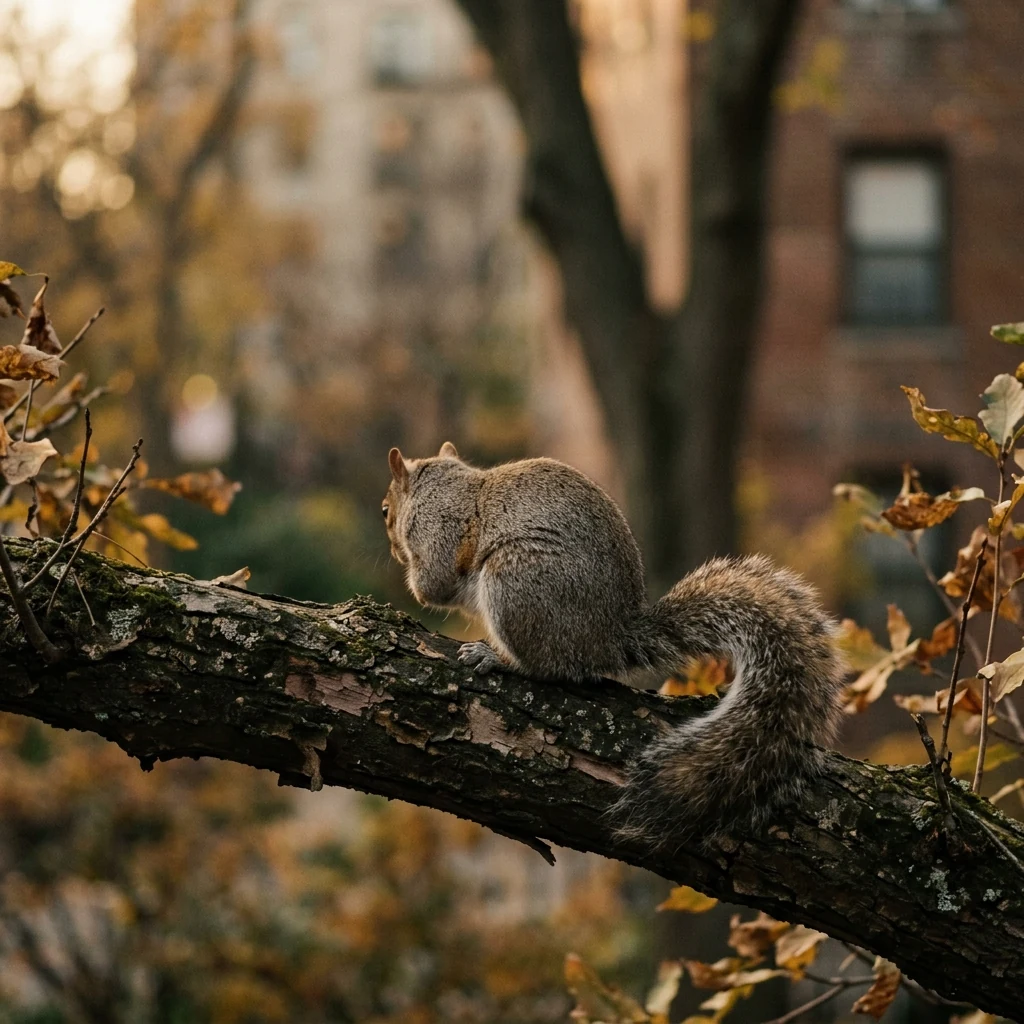
The tree does not have a relationship with you. The tree does not have a relationship with anyone. The squirrel that lives in it does not know the tree, exactly. The squirrel knows where the food is and where the predators come from and that it can climb upward when it needs to be upward. The squirrel and the tree have not talked. They have shared an apartment for the squirrel's whole life.
And so all of this — fifteen seconds of you looking at it across a decade, three slow decisions on its part across the same decade, the underground network of fungal threads carrying chemical messages older than language between this tree and the other trees on the street that the tree may or may not consider neighbours — and so you, walking past the tree on a Tuesday in October, registering for the first time that the tree was here when you started this job and will be here long after you change jobs again, and the time it took you to notice this is a kind of time the tree does not have a use for.
The tree is fine.
The tree is on its own time. The tree is not waiting for you to notice. The tree is not, particularly, ignoring you either — to be ignored you would have to be visible at the tree's resolution, and you are not. You are an event slightly faster than weather. Weather passes too. Weather is also fine.
You may worry, occasionally, that your life is going by very fast. The worry is correct. Your life is going by very fast. But it is going by at the only speed it has, which is the speed it was given, which is, by the tree's clock, not so much a speed as a brief small disturbance in the air. You did not get to choose the speed of your minutes any more than the tree got to choose the slowness of its years. You both are doing the only kind of life your kind of life allows.
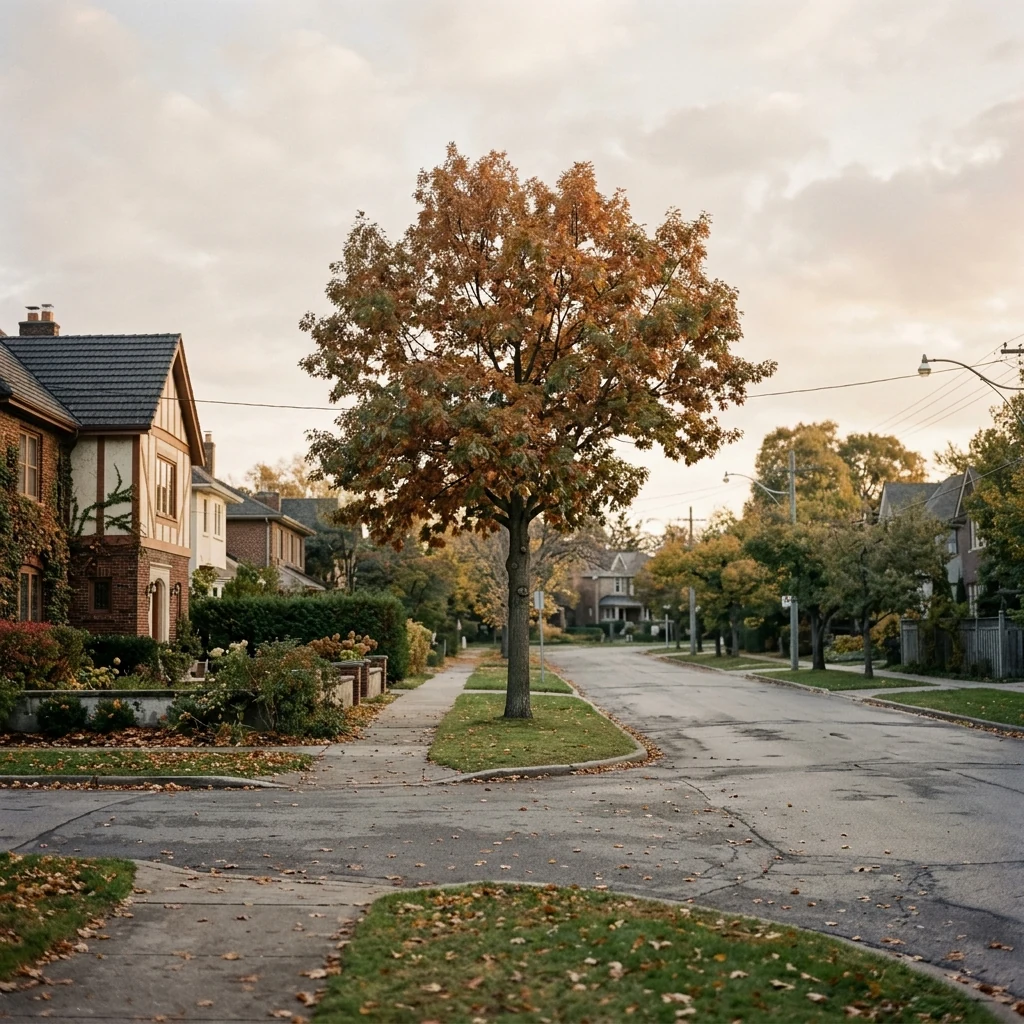
The tree is here. You are here. The tree does not need anything from you. This is, in some quiet way, a relief.
Look at it on the way back. Notice the small irregular bump where the branch used to be. Notice the way the bark has grown around the carving someone made eleven years ago, almost erasing it, in a slow-motion act of forgetting that the tree did not have to be asked to perform.
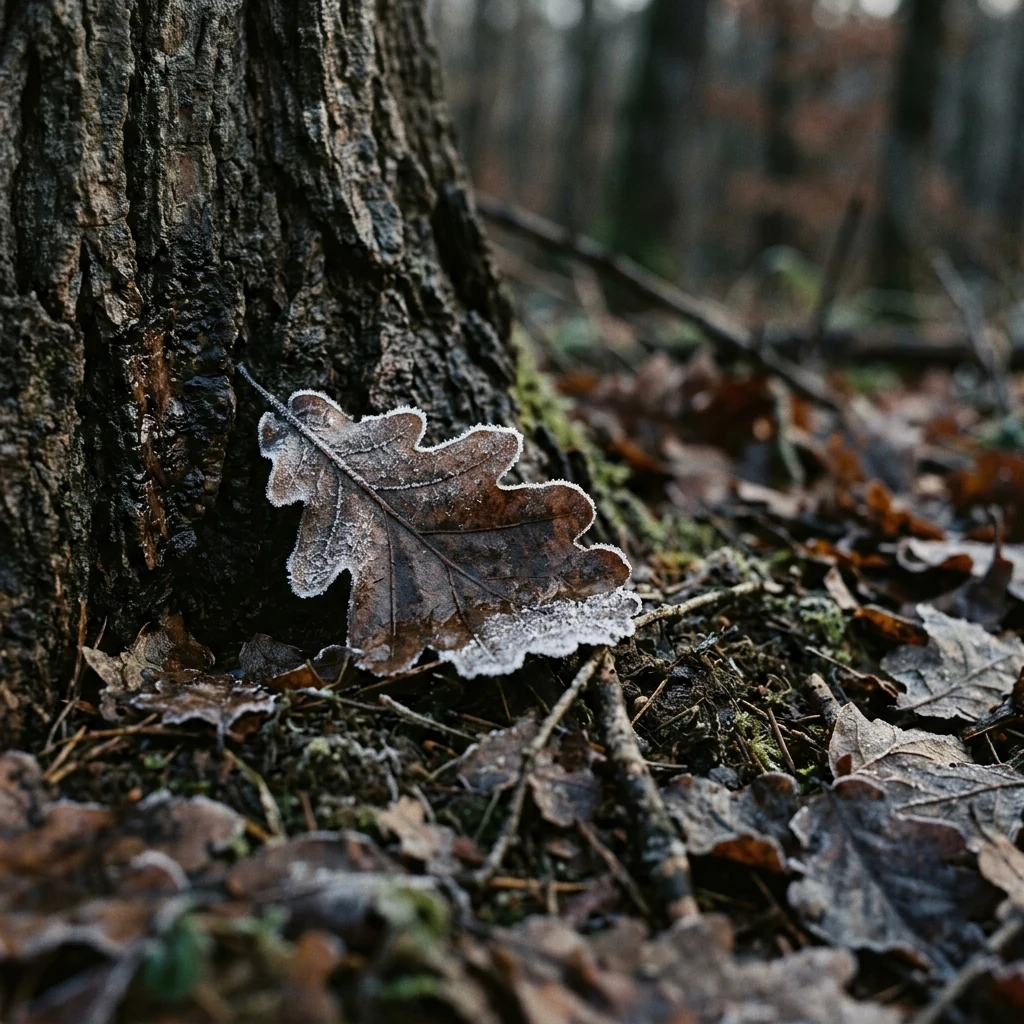
The tree is on its own time.
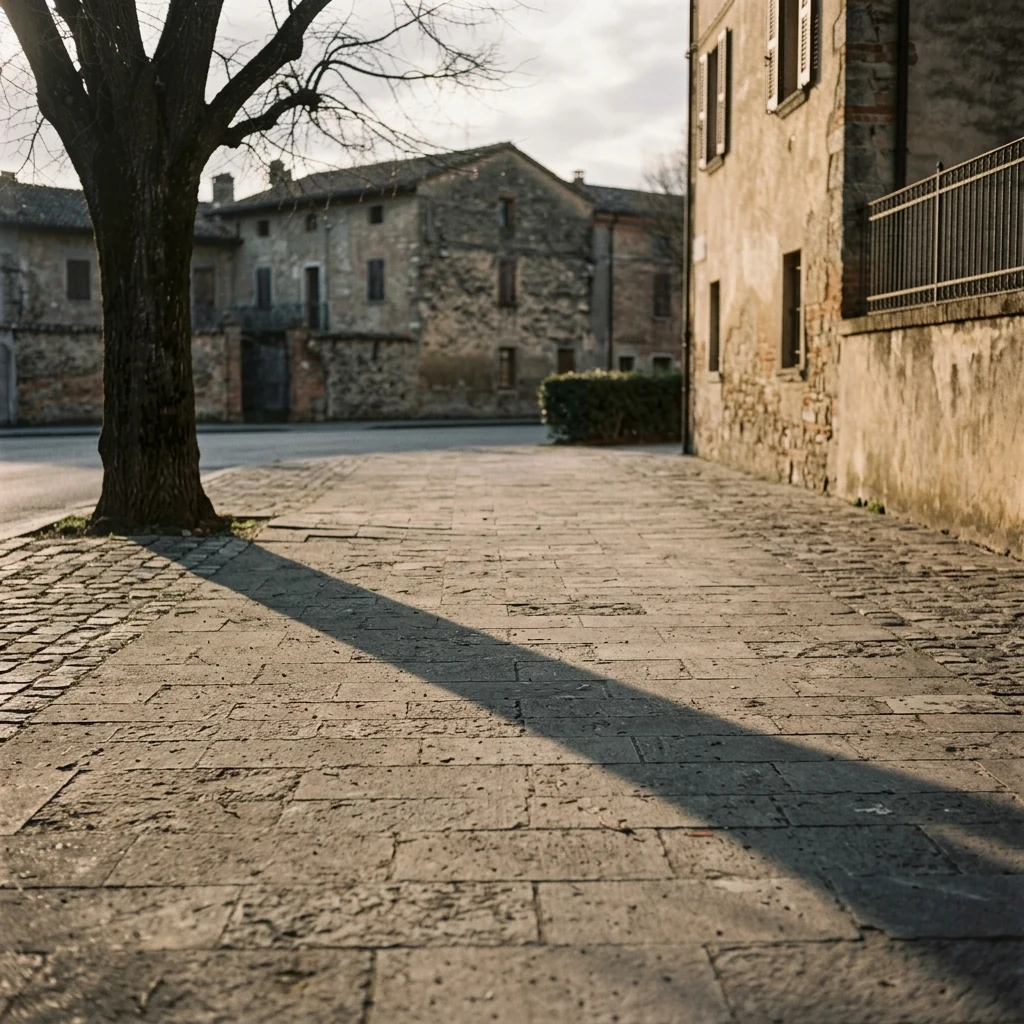
The tree is fine.