On Owning Books You Will Not Finish
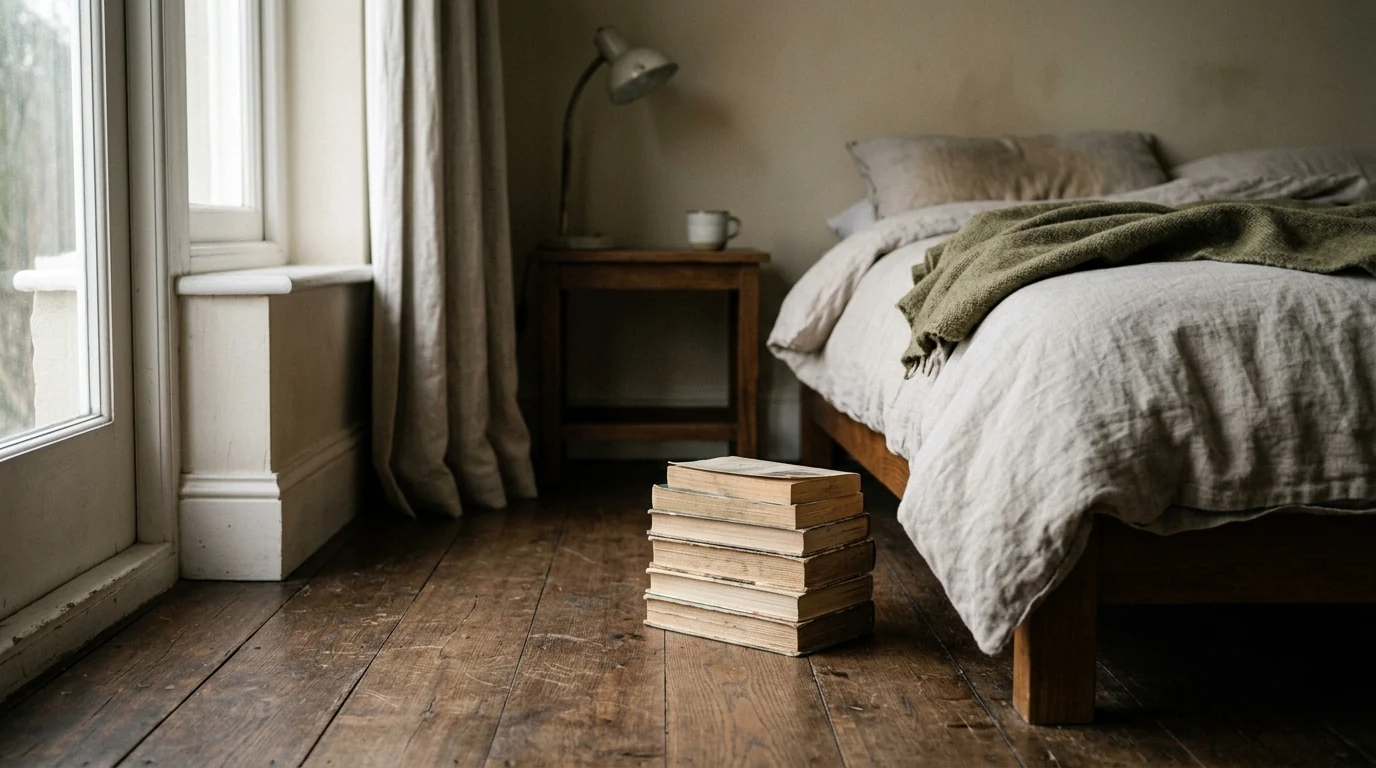
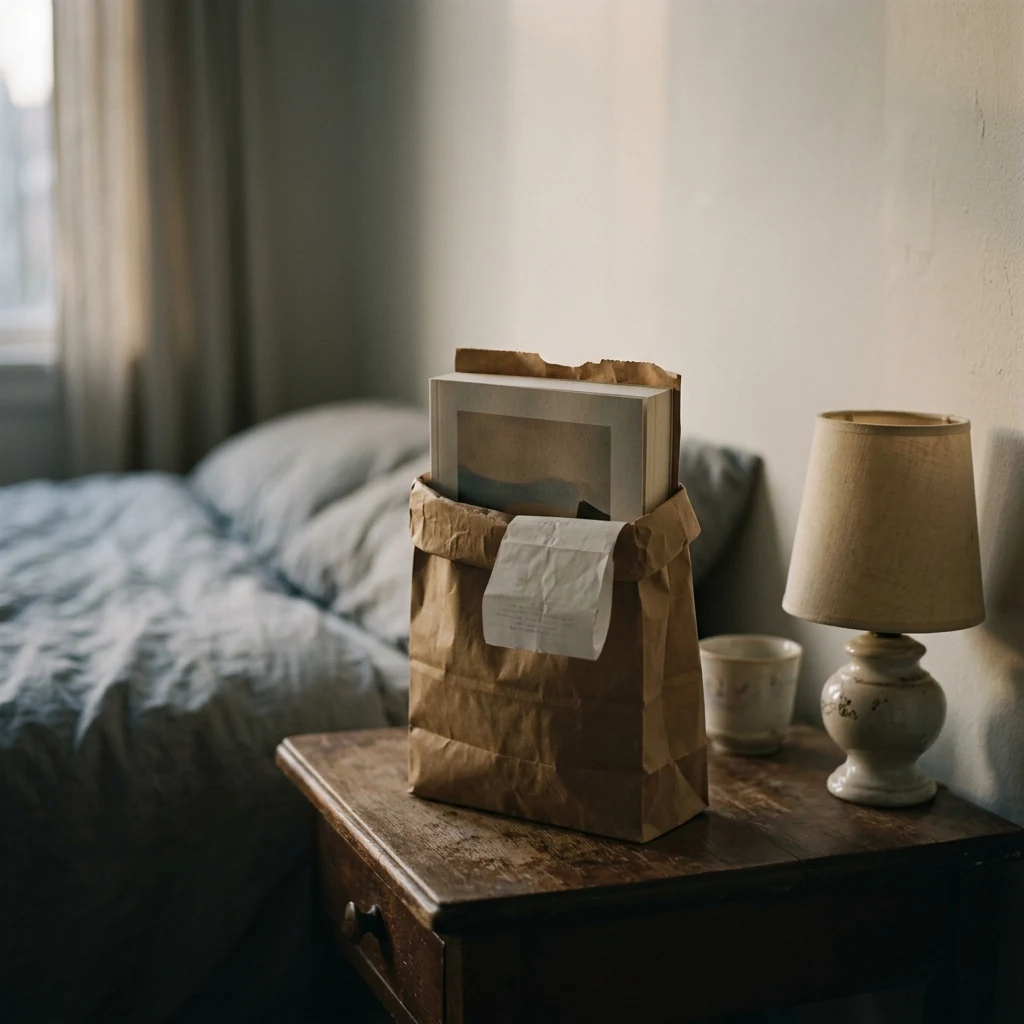
There is a stack of books on the floor next to your bed. You don't know exactly how many. You can count from the spines — six, seven, plus the new one still in the paper bag from the bookshop, the one you bought on Saturday to escape the rain. The new one is on top of the stack. You have read forty pages. The forty pages were good. You will read more soon, you have been telling yourself. You have been telling yourself this since November.
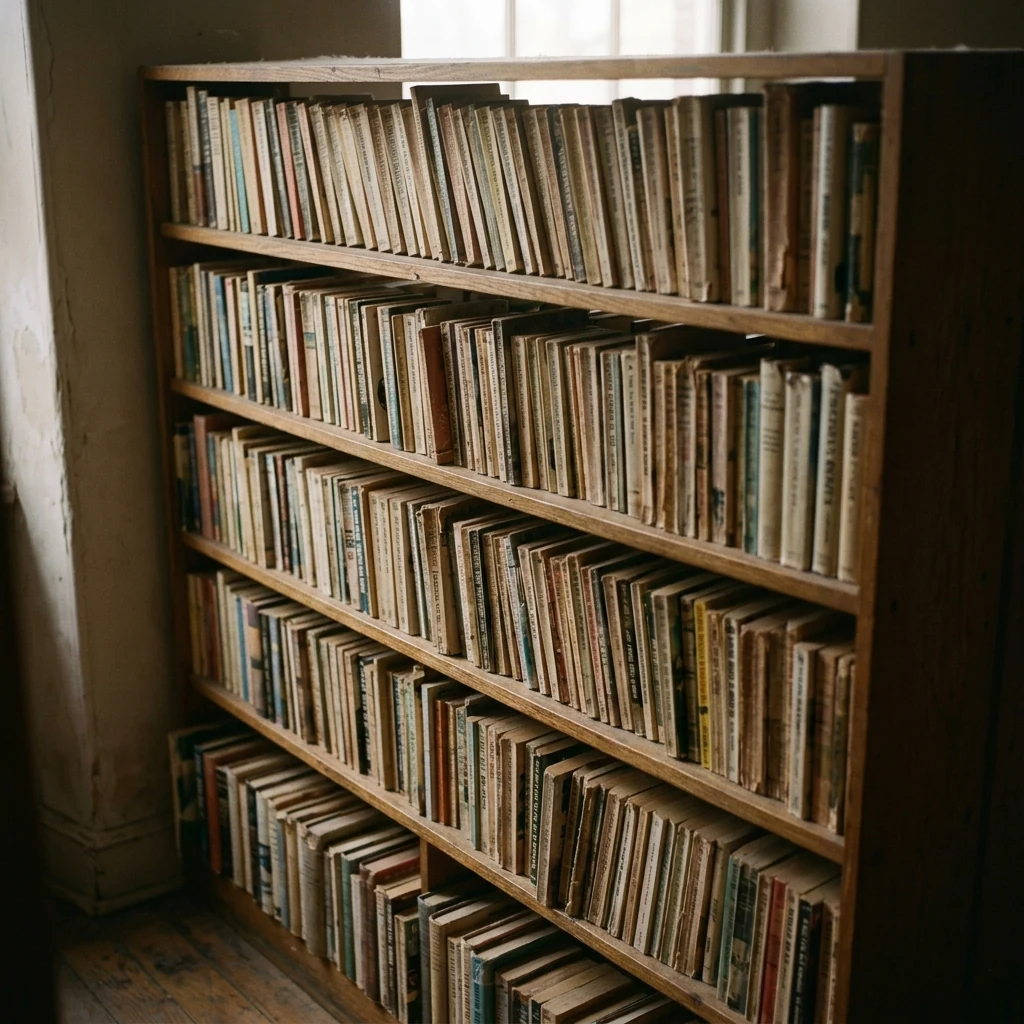
There is another stack on the desk. There is a shelf of paperbacks whose spines you have not cracked since the day you brought them home. The shelf is taller than you remember it. The shelf is honest about something the floor-stack pretends not to be honest about.
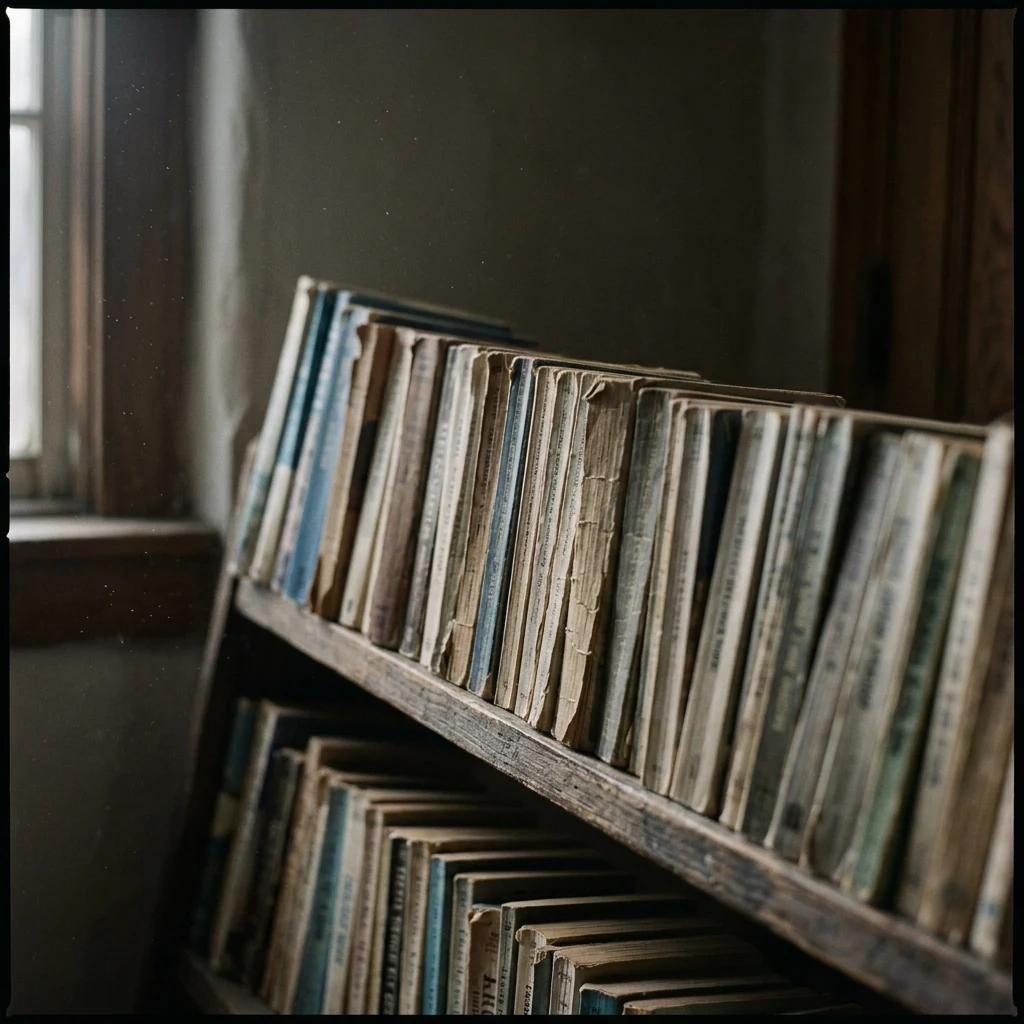
You will not finish most of these books. You did not finish the last seven you said you would finish. You will not finish the seven on the floor and the eleven on the shelf and the four on the desk and the small constellation of half-read books on your phone. You know this. You buy more anyway.
There is a name for this, or there was, in the library of a man named Umberto Eco. He kept a personal library of about thirty thousand books. Almost all of them he had not read. Visitors would walk in, see the shelves, and ask how many of them he had read. He thought this was a stupid question. The books you have read, he would say, are not the point of the library. The books you have not read are the point. The unread books are the part of the world you do not yet understand but might. The unread library is a confession of all the things you do not know but might still get to.
Nassim Taleb named this the antilibrary. The unread is a more honest measure of the mind than the read. The read books are what you have already become. The unread are what you might still become.
Marie Kondo, who has spent a great deal of time in other people's houses, would tell you to throw most of them out. Marie Kondo and Umberto Eco are both correct, in different directions, and you live somewhere in between.
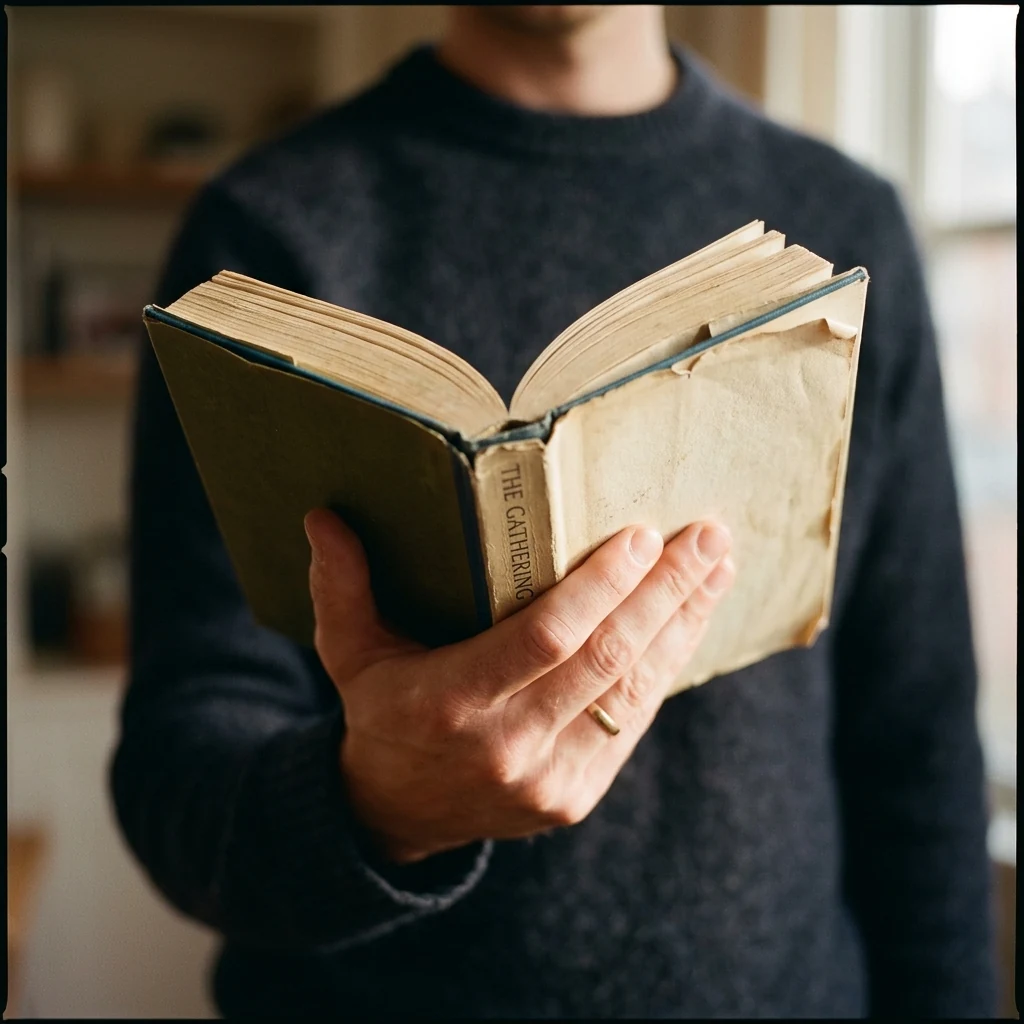
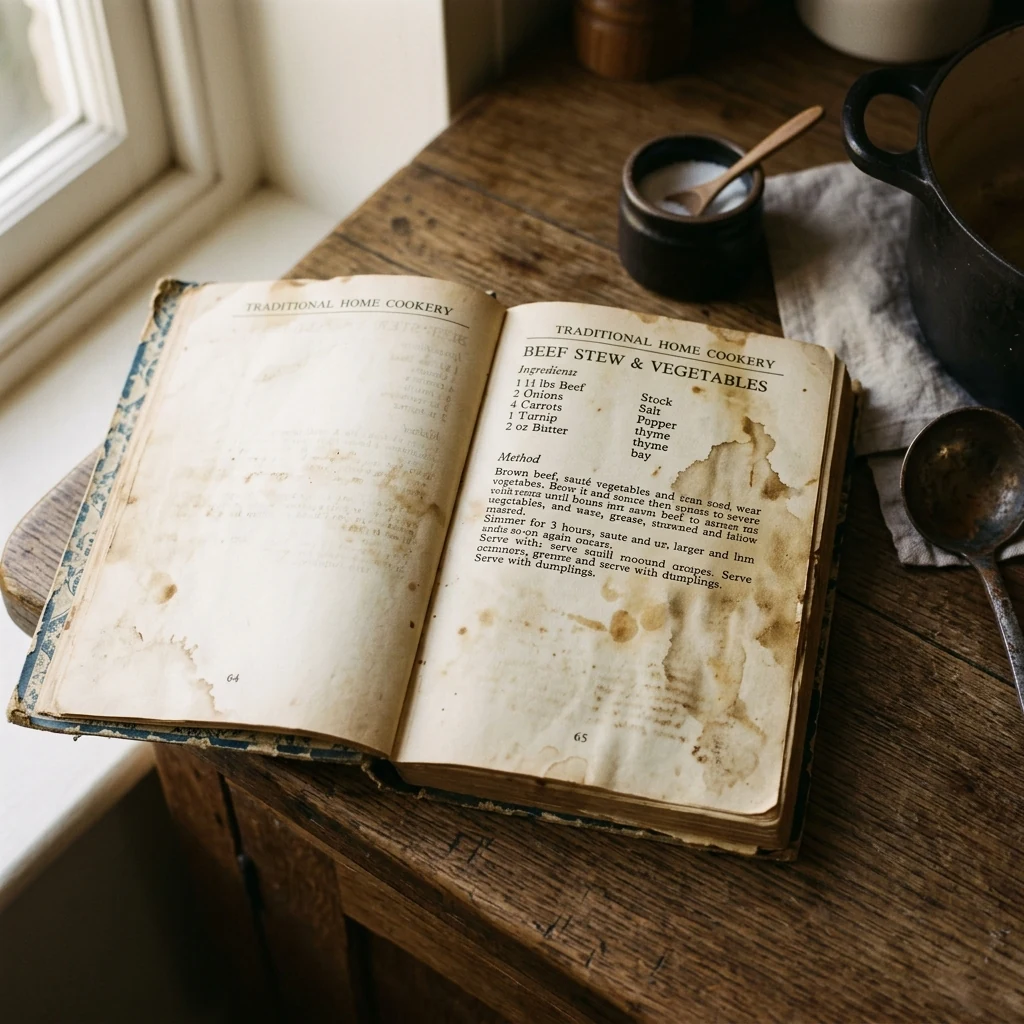
Here is the part you do not say out loud. Every book in those stacks is a version of you that has not happened. The history of the war is the you who would have understood the war differently. The book of poems is the you who would have learned to feel a certain weight in a line. The cookbook is the you who would have made a proper boeuf bourguignon on a Tuesday for no reason. The book on grief is the you who would have known what to say when your friend's mother died last spring. The book of philosophy is the you who would have answered the four-in-the-morning question on its own terms.
You did not become those versions of you. You may yet. You probably will not. Most of them will sit on the shelf, patient, while you become a different version of you, one that did not require those books.
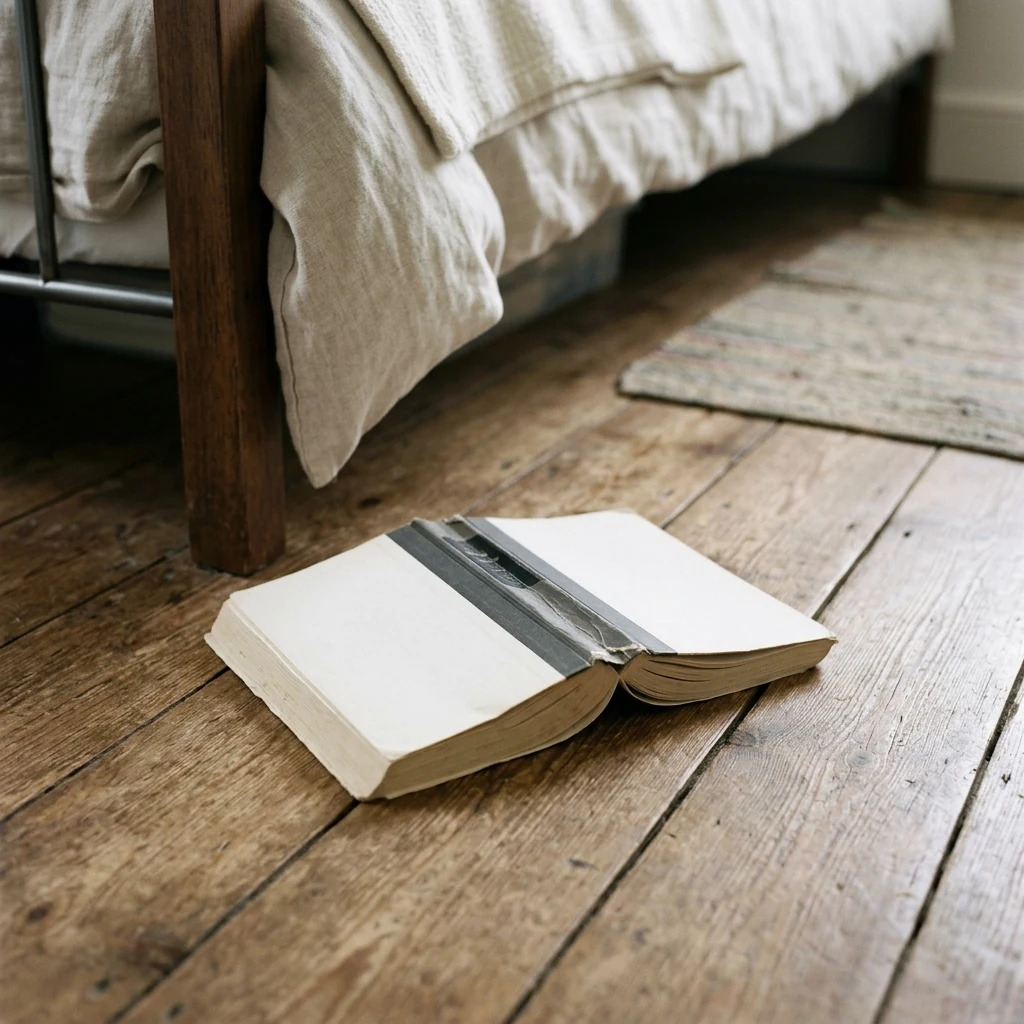
This is not a tragedy. The patient books are not waiting in disappointment. The shelf does not judge. The shelf is, in a quiet way, the most generous object in the room. It is a record of the futures you were curious enough to consider, even if you did not walk into them.
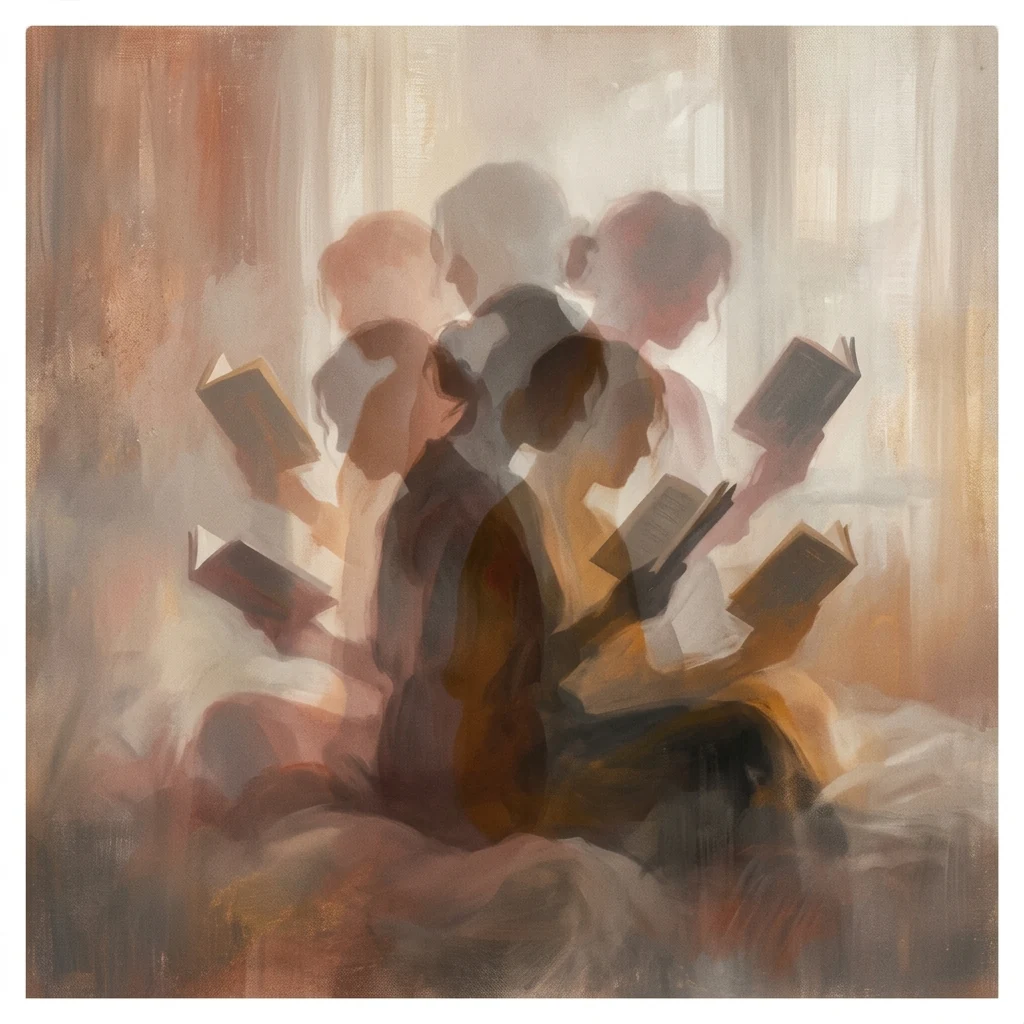
And so the stack on the floor, and so the unfinished pages, and so the bookshop receipt still inside the new one because you have not bothered to take it out, and so you, walking past the shelf at thirty-eight on the way to bed, are also forty different yous in potential, each one slightly different, each one reading a slightly different paragraph at the same hour as the actual you brushes your teeth.
You take a book off the shelf. You hold it for a moment. You put it back. You do not start reading it tonight. You may, one day. The book has all the time in the world. The book has been waiting. The book will wait some more.
You turn off the light.
The stack stays on the floor.

The futures stay on the shelf.