On Dogs, Who Do Not Know You Will Die First
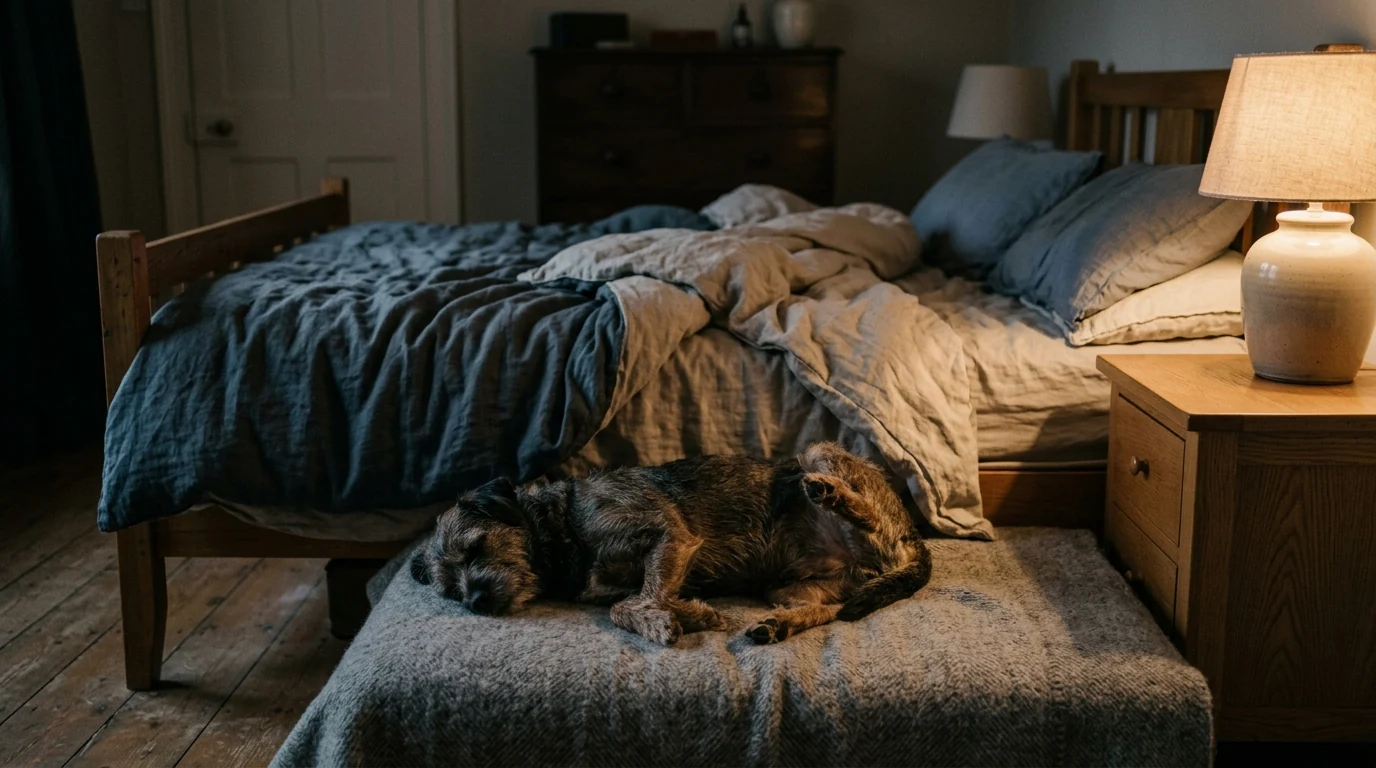
The dog is asleep at the foot of the bed with one back leg twitching. You watch it for a while. The leg twitches again, then settles, then twitches in a softer way. The dog is chasing something that is not in the room. The bedside lamp is on. The page of the book you stopped reading half an hour ago has gone slightly cold under your hand. You do not know what the dog is dreaming of. The dog does not know you are watching. Neither of these facts has ever felt heavy, until this exact moment, at 11 p.m. on a Tuesday, with the radiator clicking and the back leg twitching once more before going still.
You did not, when you brought the dog home, expect to be the one being watched over. You brought home a small wet thing in a towel and put it on the floor and it shook for a while and then fell asleep against your shin. The next morning it followed you to the kitchen, and the morning after that, and now, several years on, it follows you everywhere with a kind of silent professionalism, as if this is its job, as if it has been assigned to you.
Dogs and humans have been doing this for around thirty thousand years. There were dogs in human camps before there was wheat. There were dogs in the warm half of the cave before there were villages, before there were horses, before there were words for most of the things you say to the dog every day. The dog is the oldest interspecies friendship the species has. Cats came later and on their own terms. Horses were transport. Sheep were dinner. The dog was always the one sleeping near the fire.
The cognitive science is partial but consistent. The dog has object permanence — it knows the ball still exists when you put it behind your back. It can follow a pointing finger, which is a thing chimpanzees mostly cannot do. It can learn between one and two hundred words on a good day, mostly nouns and a few verbs, and some of those words are your name. It tracks human gaze. It reads tone better than it reads grammar. It has a working theory of your attention — it knows when you are looking at it and when you are looking through it — and it has a coarse, functional theory of your moods, which it adjusts itself against the way water adjusts itself against the shape of a bowl.
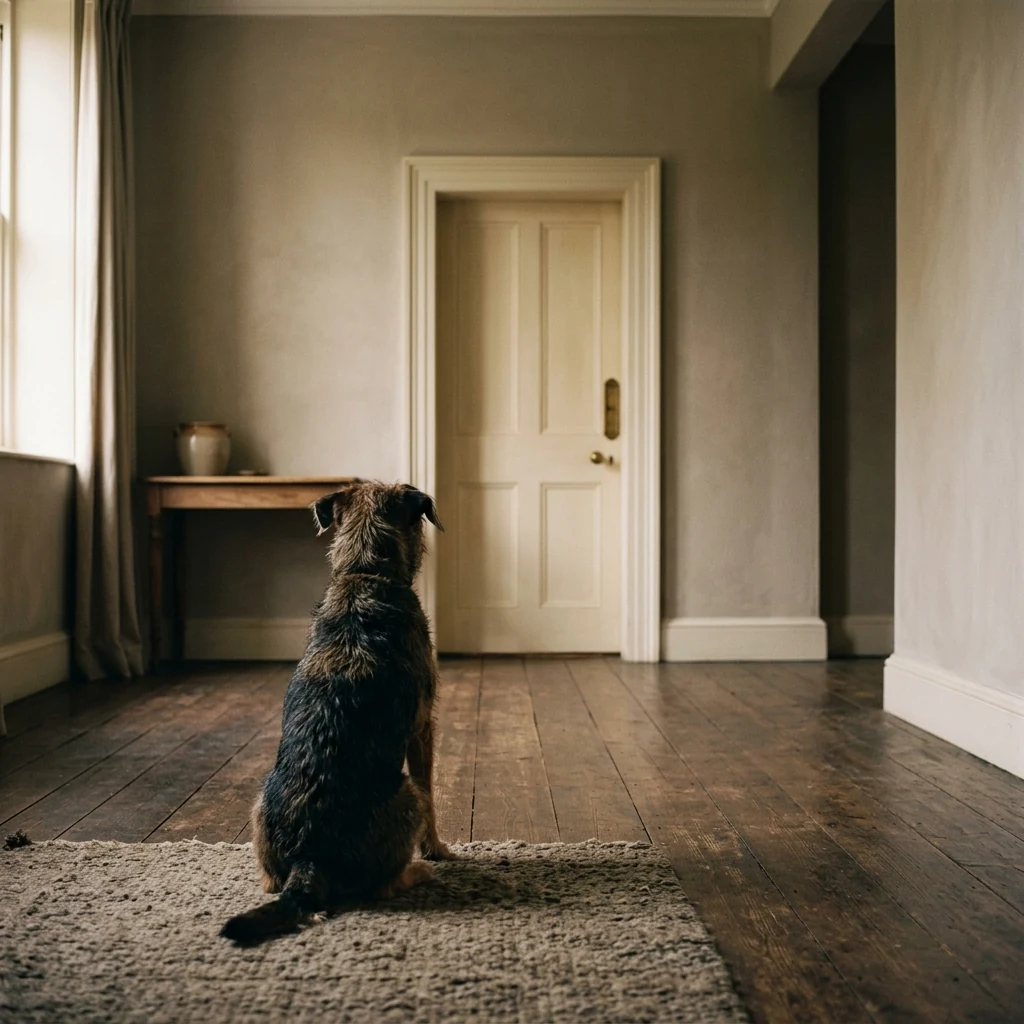
What the dog almost certainly does not have is a working concept of its own mortality, or of yours. The dog does not lie awake at three in the morning doing the math on which of you goes first. The dog does not know there is math. The dog does not know its breed has a median lifespan of twelve years. The dog does not know you have, statistically, six more dogs in you. The dog does not know that the slow stiffening it has begun to feel in its hips on cold mornings is the first edge of a thing that has a name. The dog only knows the cold mornings, and the warm bed, and the smell of your sleeve.

The closest thing the dog has to grief is separation distress. Take the dog out of the house for too long and it whines. Take the person it loves out of the house and it will sometimes refuse food until you come back. But this is not the dog mourning. This is the dog waiting. There is no version of this where the dog gives up — the dog will, in extremity, wait by the door for years, the way certain stray dogs in old Tokyo train stations were said to wait every evening at the platform for the man who used to come home and one day stopped. The dog is not aware that the man is dead. The dog is aware that the man has not yet arrived.
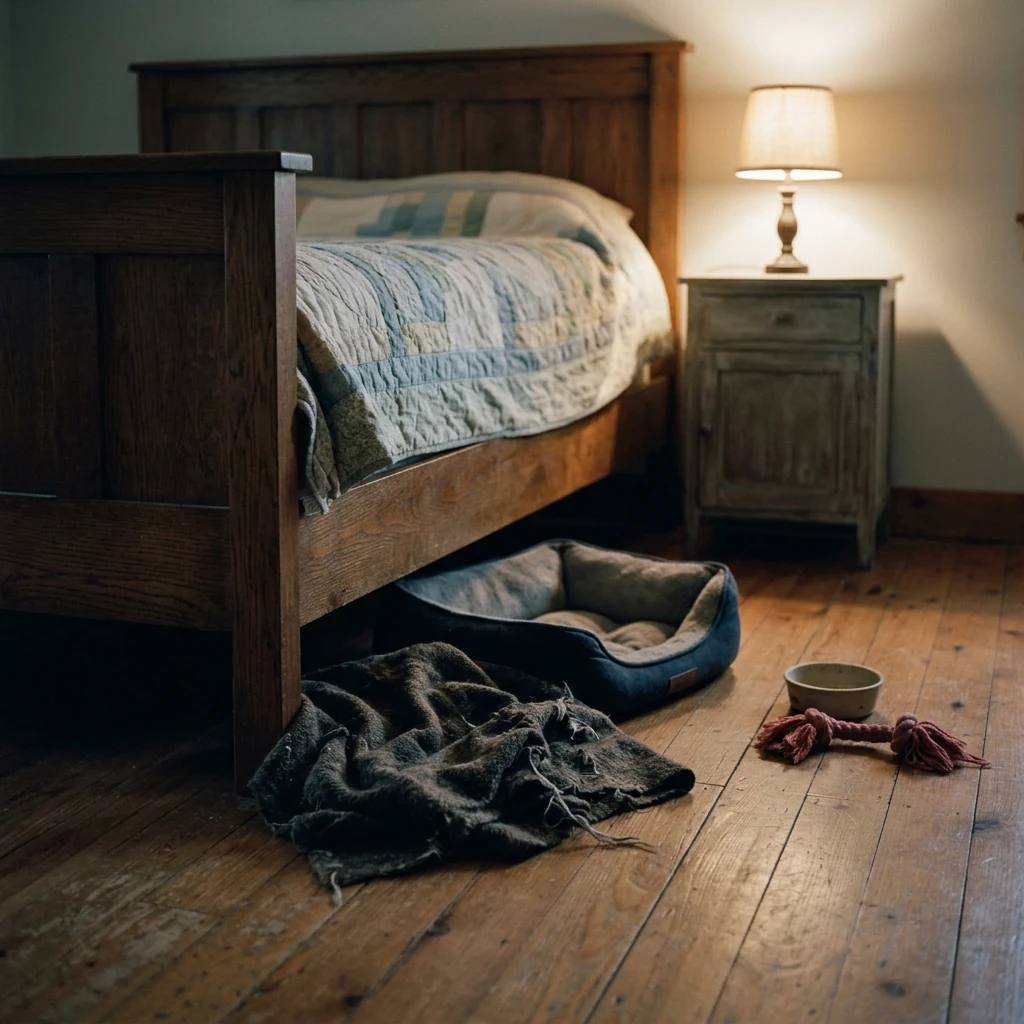
You watch the back leg twitch one more time and then go still.
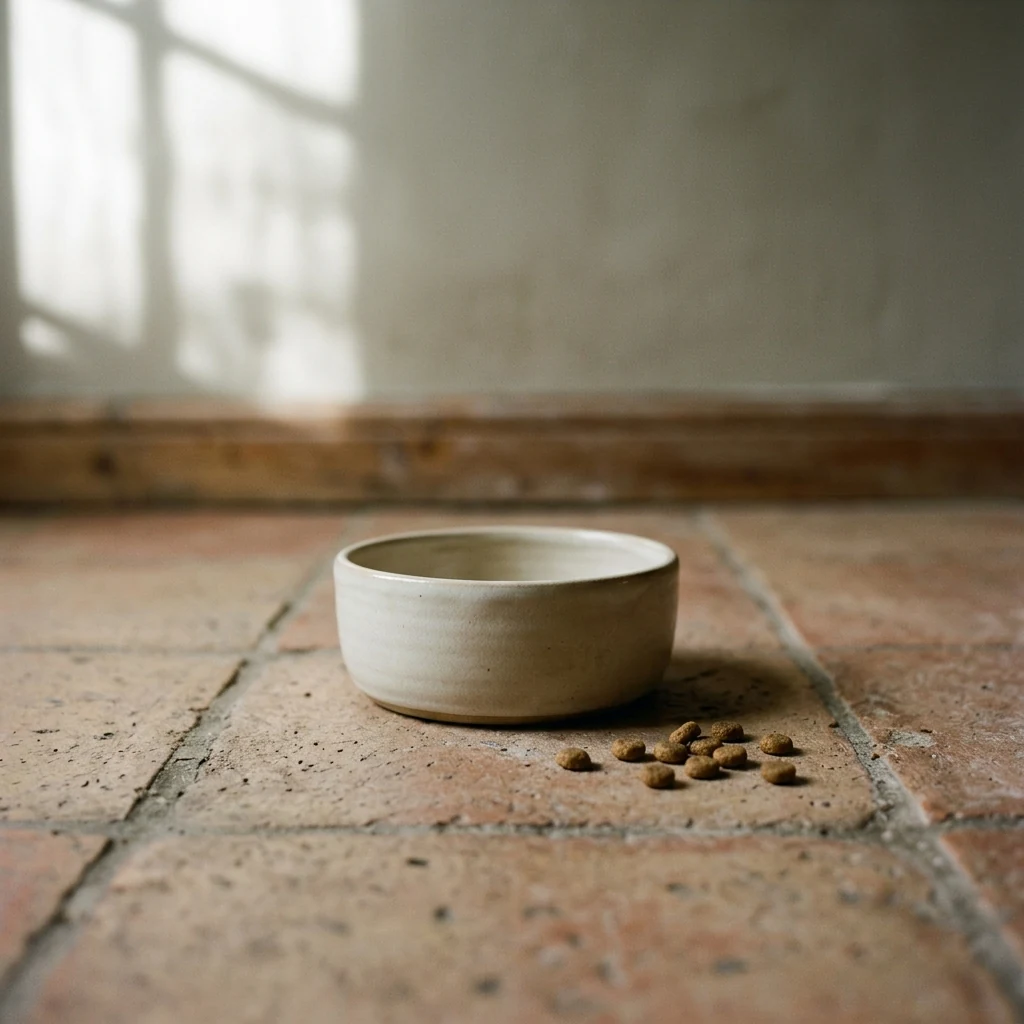
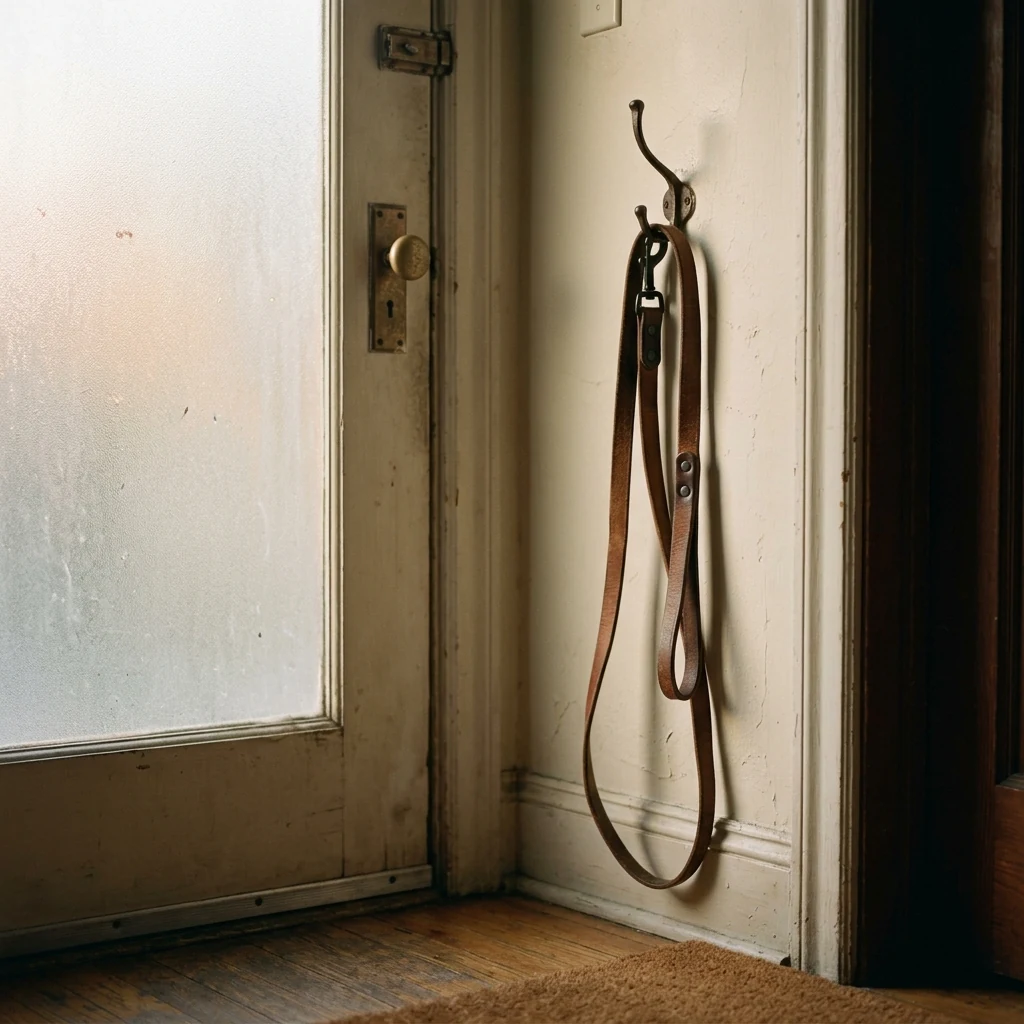
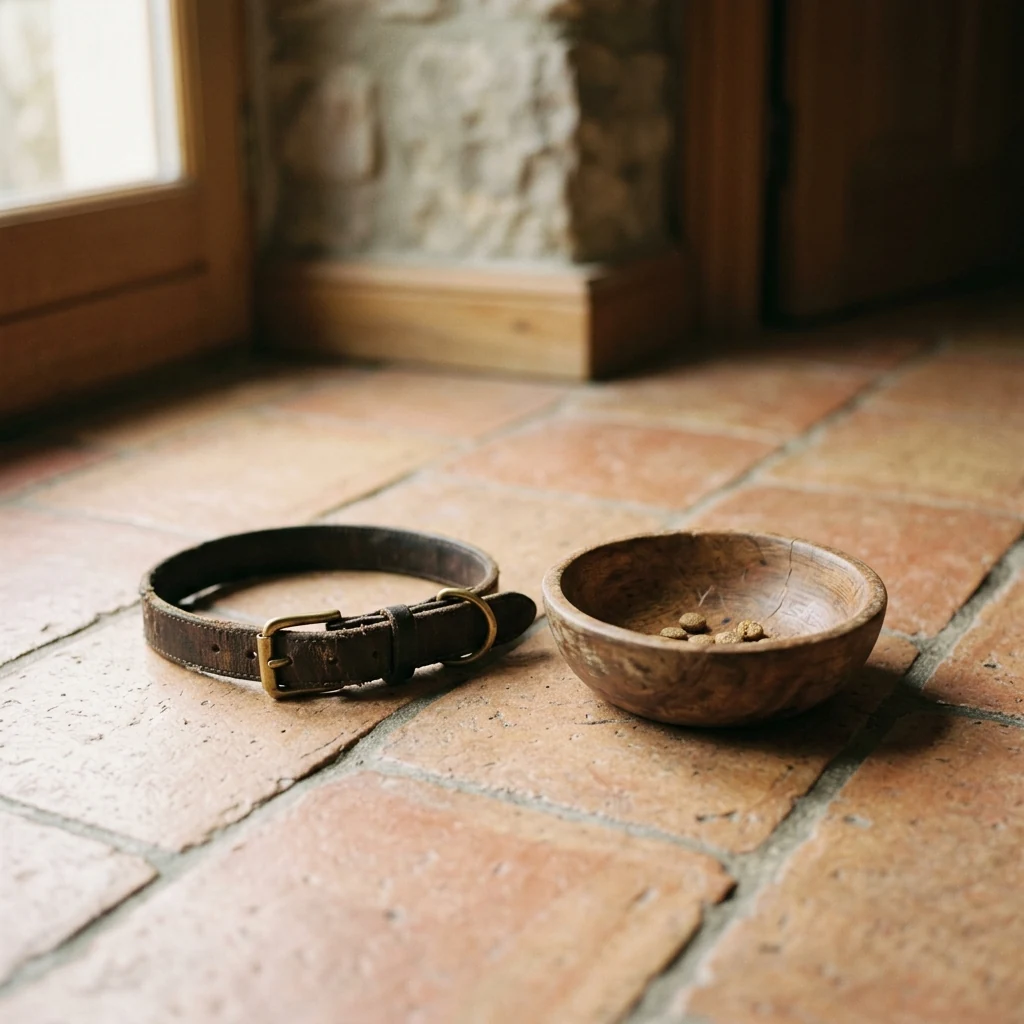
And so the contract you signed when you brought the small wet thing home from somewhere — when you let it sleep at the doorstep on the first night and cried into a towel because of how small it was, when you bought the bowl and the cheap lead and the bag of food too big to carry — was a contract that only one of you could read; and so you, watching the back leg twitch in the lamplight at 11 p.m. on a Tuesday, are the one carrying the whole asymmetry, because the dog has been spared from carrying any of it.
You will outlive this dog. You will probably outlive several more. The dog will not understand the last day when it comes — the dog will not have been waiting for it. You are not waiting for it either, but you know it is coming, which is a thing the dog has been protected from by the simple fact of being a dog. There is no version of this where you explain it to the dog. There is no last conversation. The dog has not signed anything. The dog cannot read the contract. The dog has been allowed, by accident of species, to spend its entire life inside the part of the relationship that has no end clause.

The temptation, here, is to say something about how you should be more like the dog. Refuse it. The dog is not a lesson. The dog is asleep. The dog does not know you have considered, even briefly, turning its life into a piece of advice.
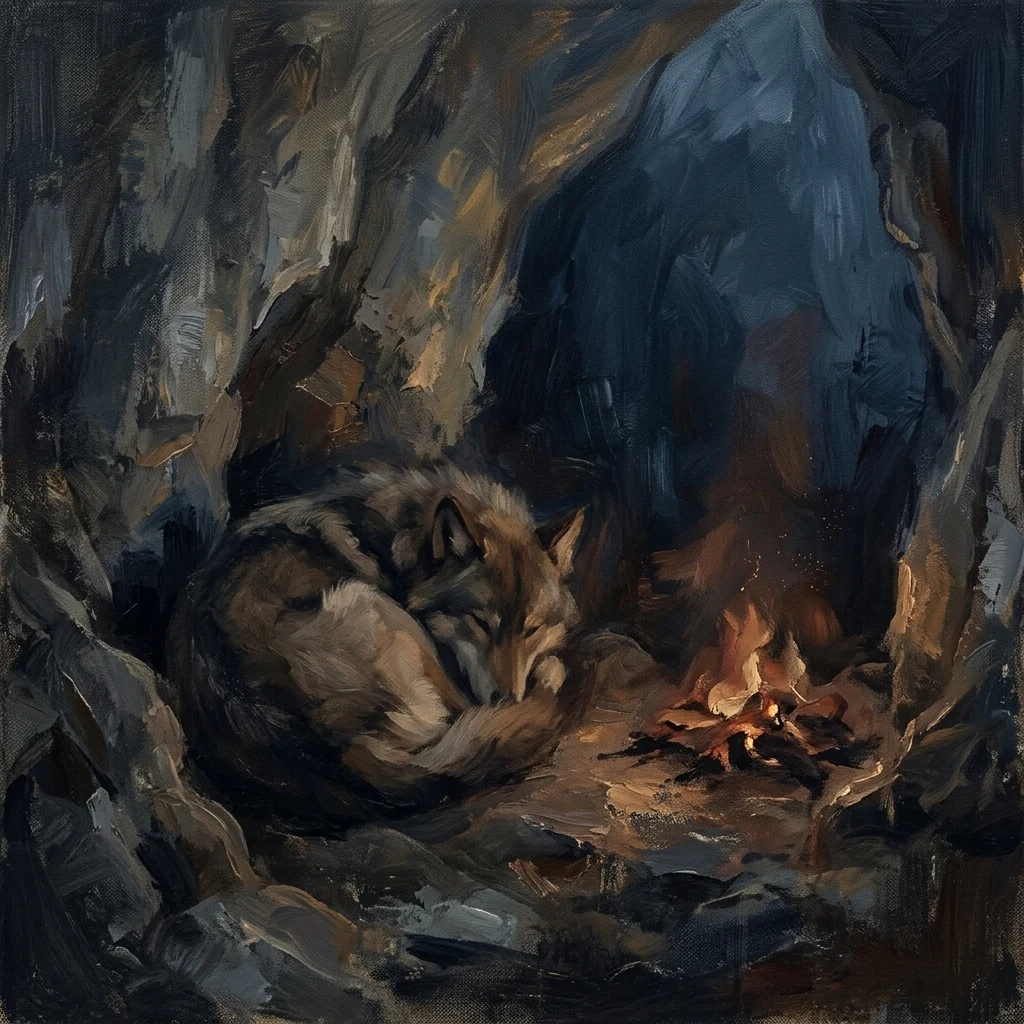
You close the book. You reach for the lamp. The dog does not stir. The lamp clicks off. The room goes quiet in the small particular way rooms go quiet when there is another small breathing thing in them. You can hear the dog. You can hear the radiator. You can hear, very faintly, a car going past on the road outside.

You lie there for a while in the dark.
The leg twitches once more.

You leave it alone.