The Song That Played in the Car
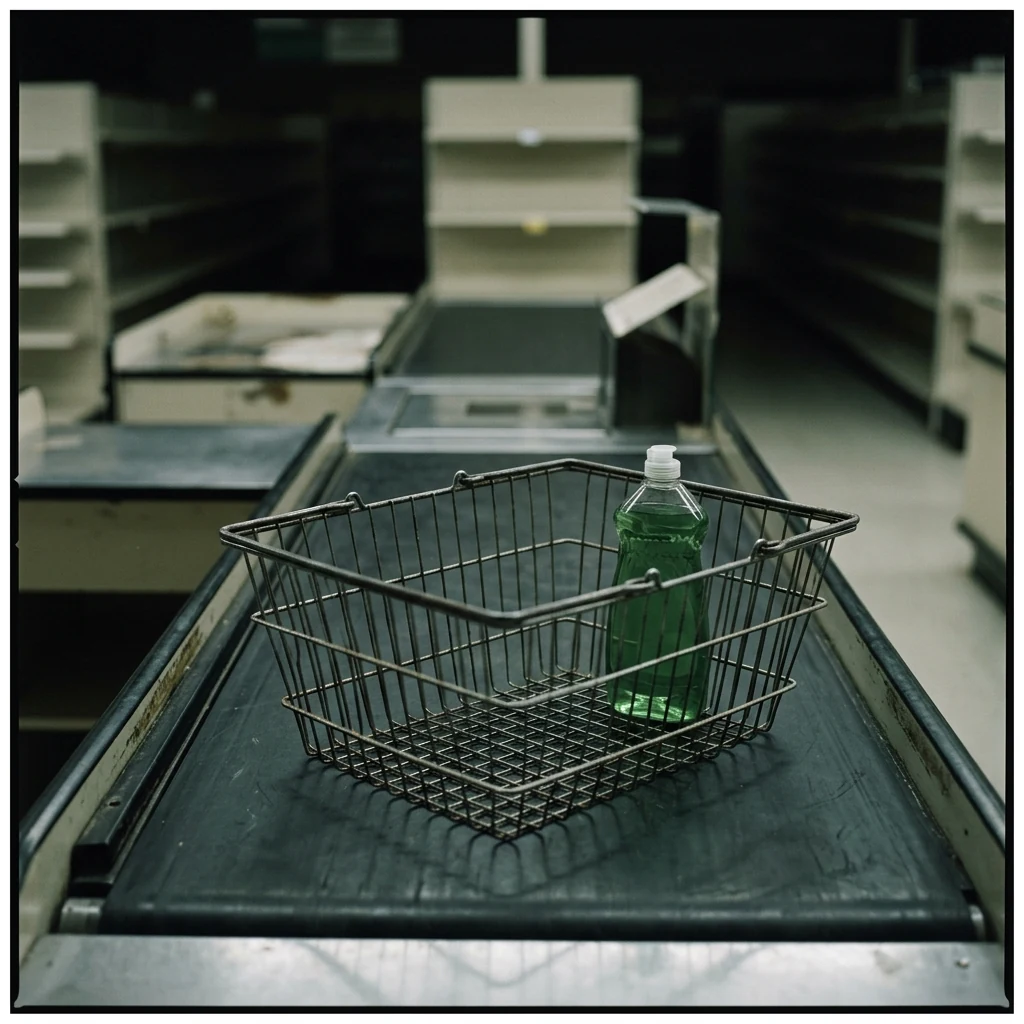
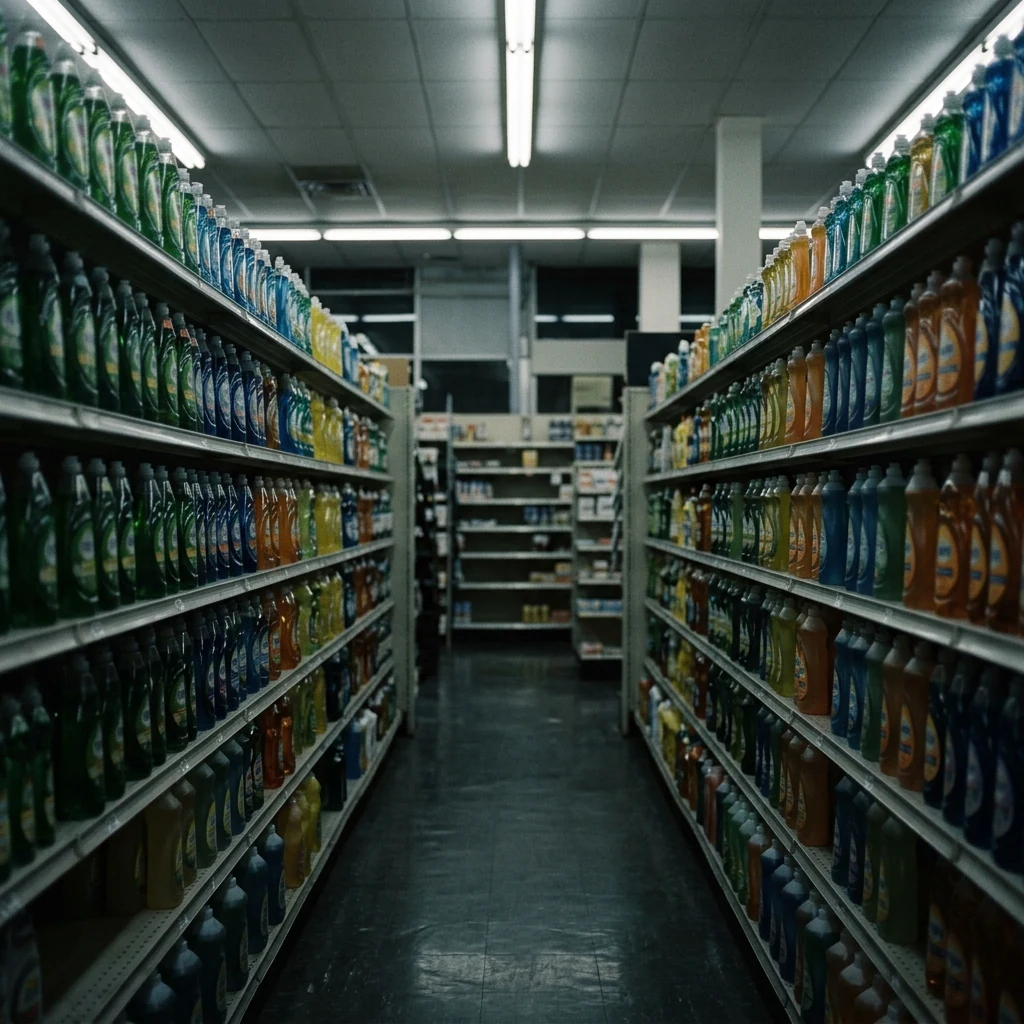
You are in a supermarket. You are choosing between two brands of dish soap. You have been holding the green bottle in one hand and the blue bottle in the other for longer than this decision deserves. The overhead speakers, which you have not been listening to, begin a song. Two notes — the synth that comes in second, the small descending bend before the voice arrives — and you stop. You stop with the bottles still in your hands and you are no longer in the supermarket. You are eleven years old, in the passenger seat of a car that has not existed for fifteen years, on a road home from somewhere your father drove you home from, and the song is doing the thing songs do.
You have not heard the song in twenty years. You would know it in two notes.
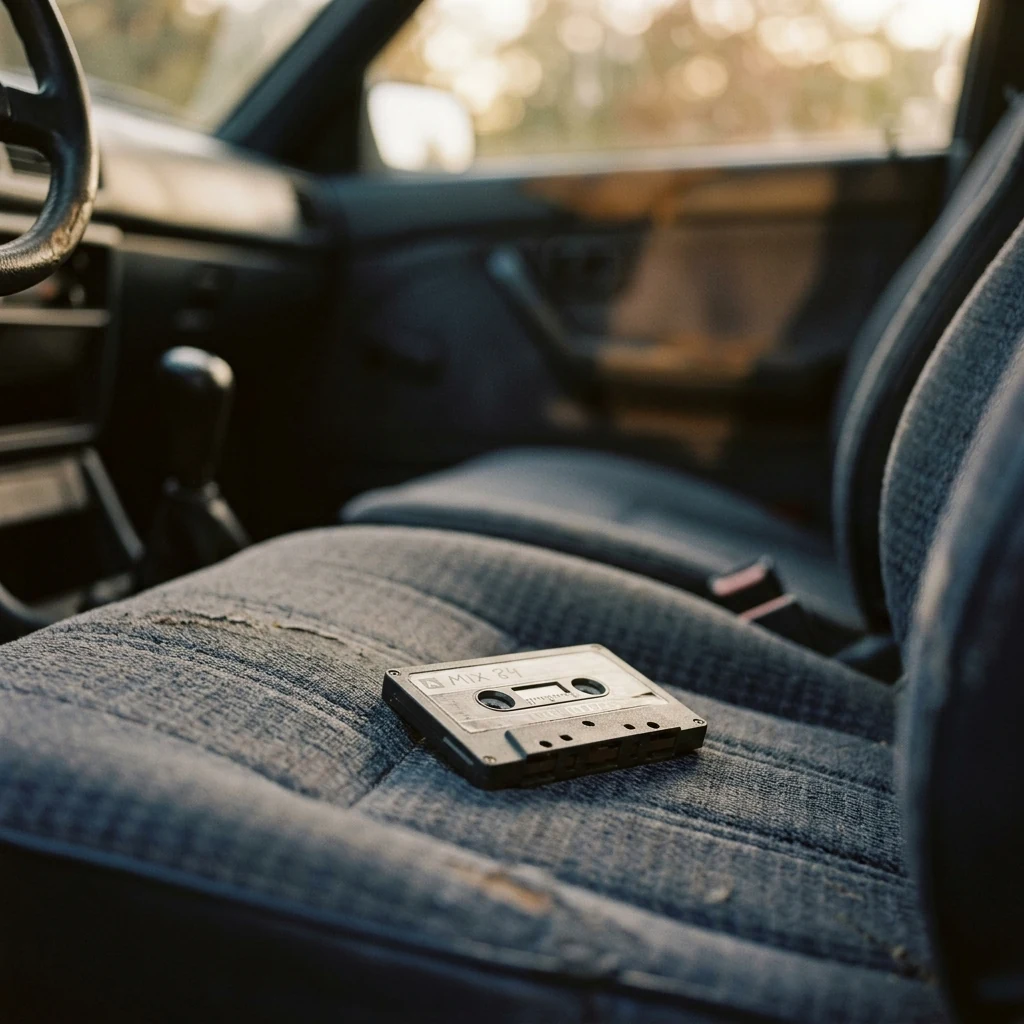
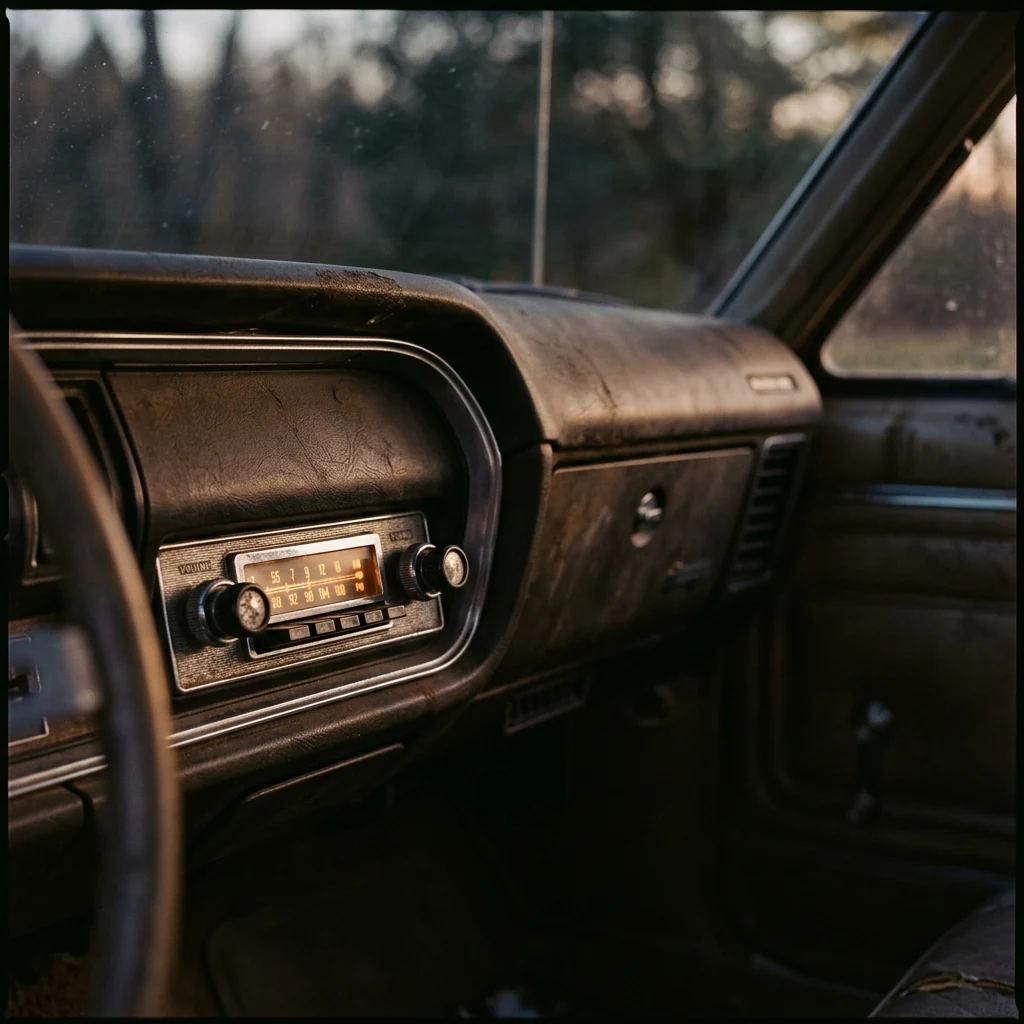
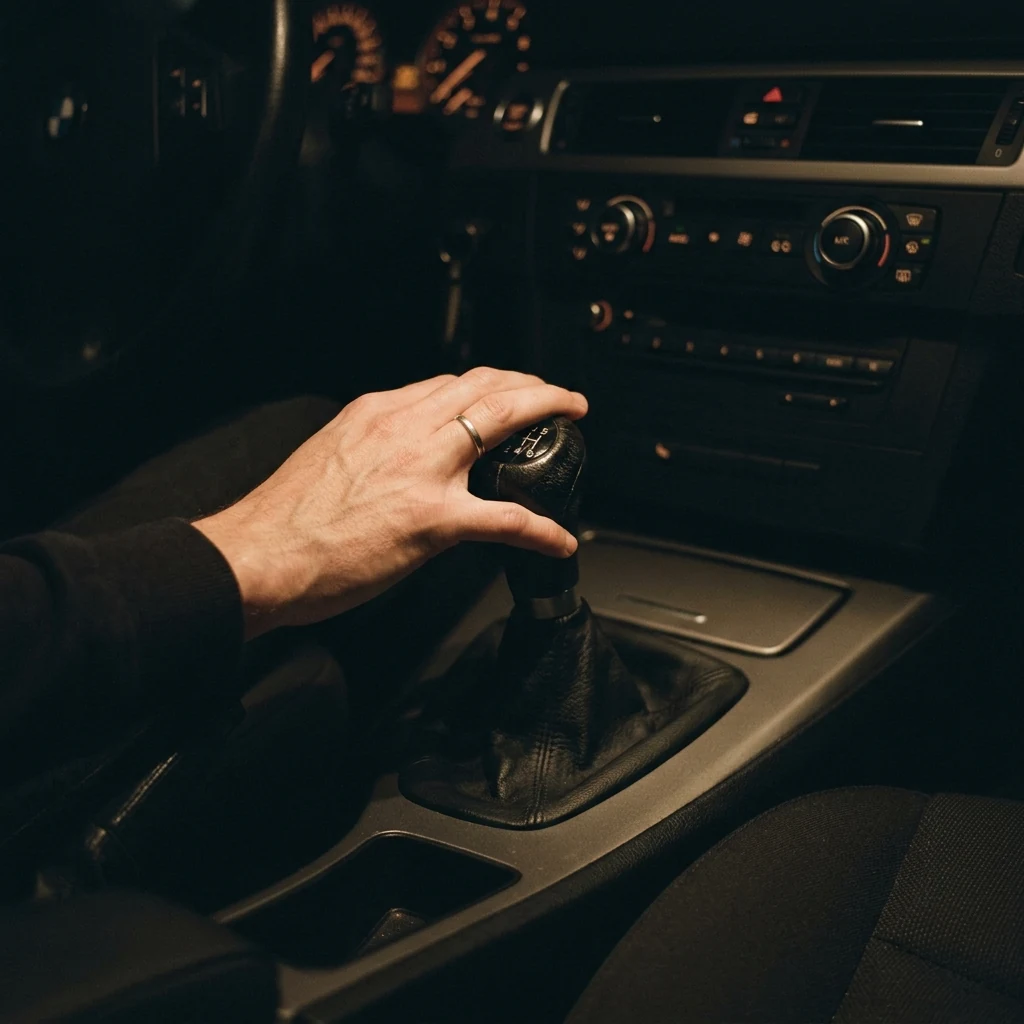
You do not know its name. You have never known its name. It belonged to your father in the way the car belonged to your father — without explanation, without listing, just there, the way the back of his hand on the gearstick was there. He never said I like this song. He just kept it on when it came on. The radio was tuned to whatever station played it. The station has probably been gone for ten years. The song has been sitting in your head, untouched, the whole time.
The brain is doing something specific here, and what it is doing is older than your father and older than radio. The auditory cortex lays down templates. The temporal lobe binds pitch and rhythm to feeling before the part of you that decides what songs mean has woken up. The cochlea — a small spiral of fluid and hair cells in your inner ear — translates compressed and rarefied air into electricity at sub-millisecond precision, more accurate in time than your eyes are in space. A song is not a thing. A song is air arranged in time. Your brain treats the arrangement as a fingerprint, more specific than a face, more durable than a name.
Musical memory survives almost everything. In late-stage dementia, when a man cannot find his own bedroom and does not know which of the women visiting him is his daughter, he can still sing back the chorus he learned at fifteen. The melody is on a different shelf than the rest of him. The shelf does not empty when the rest of the house empties. Nobody knows entirely why. The leading guess is that music gets stored across so many regions at once — auditory, motor, emotional, autobiographical — that no single bit of damage can take it out. The brain backs it up by accident, in the way a child who is not paying attention learns the words to a song he is not trying to learn.
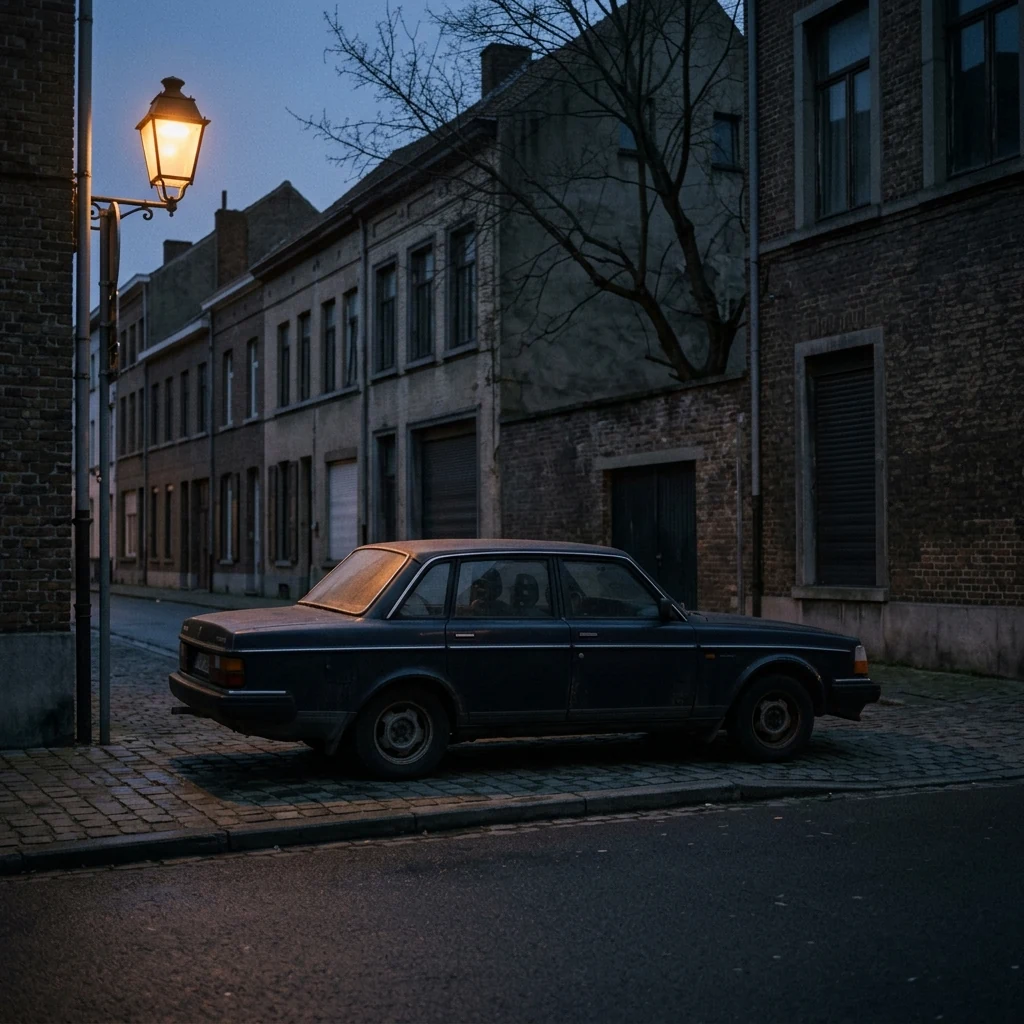
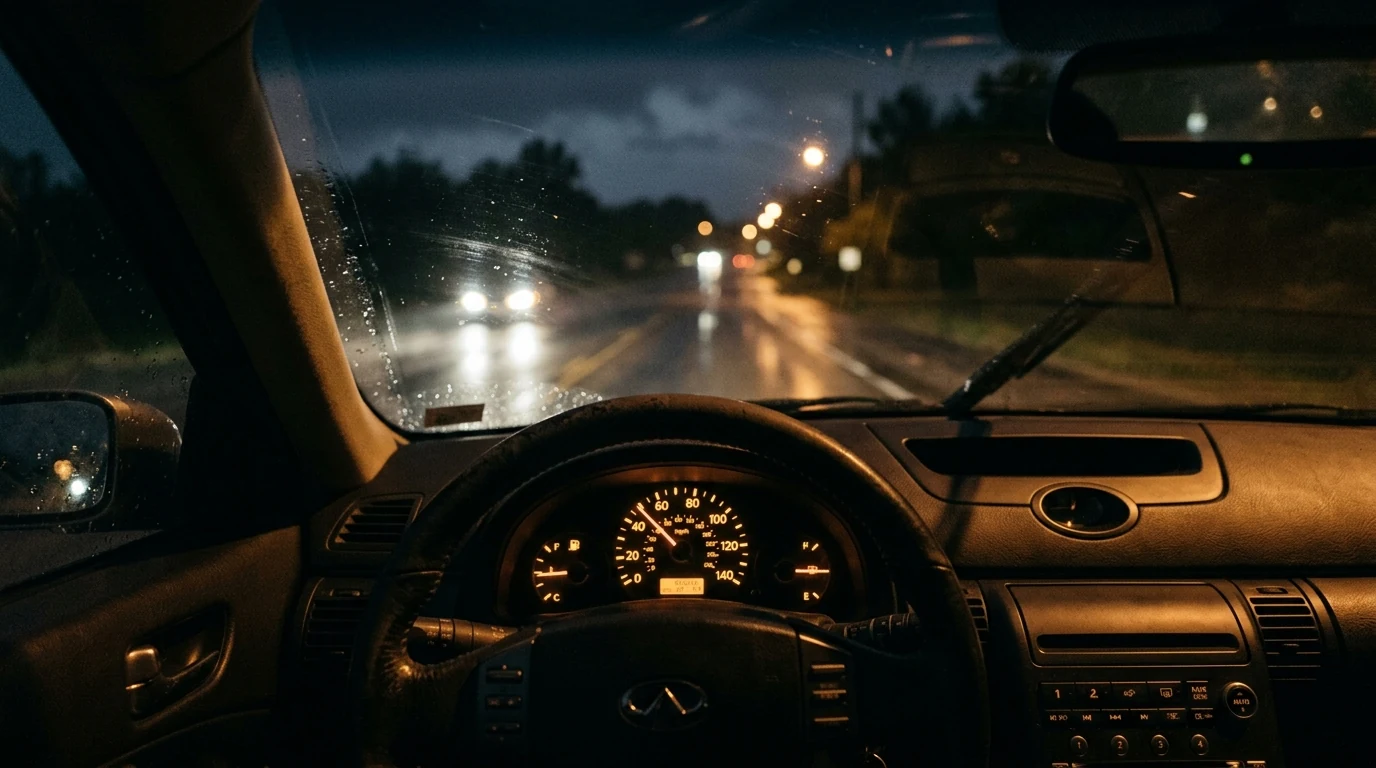
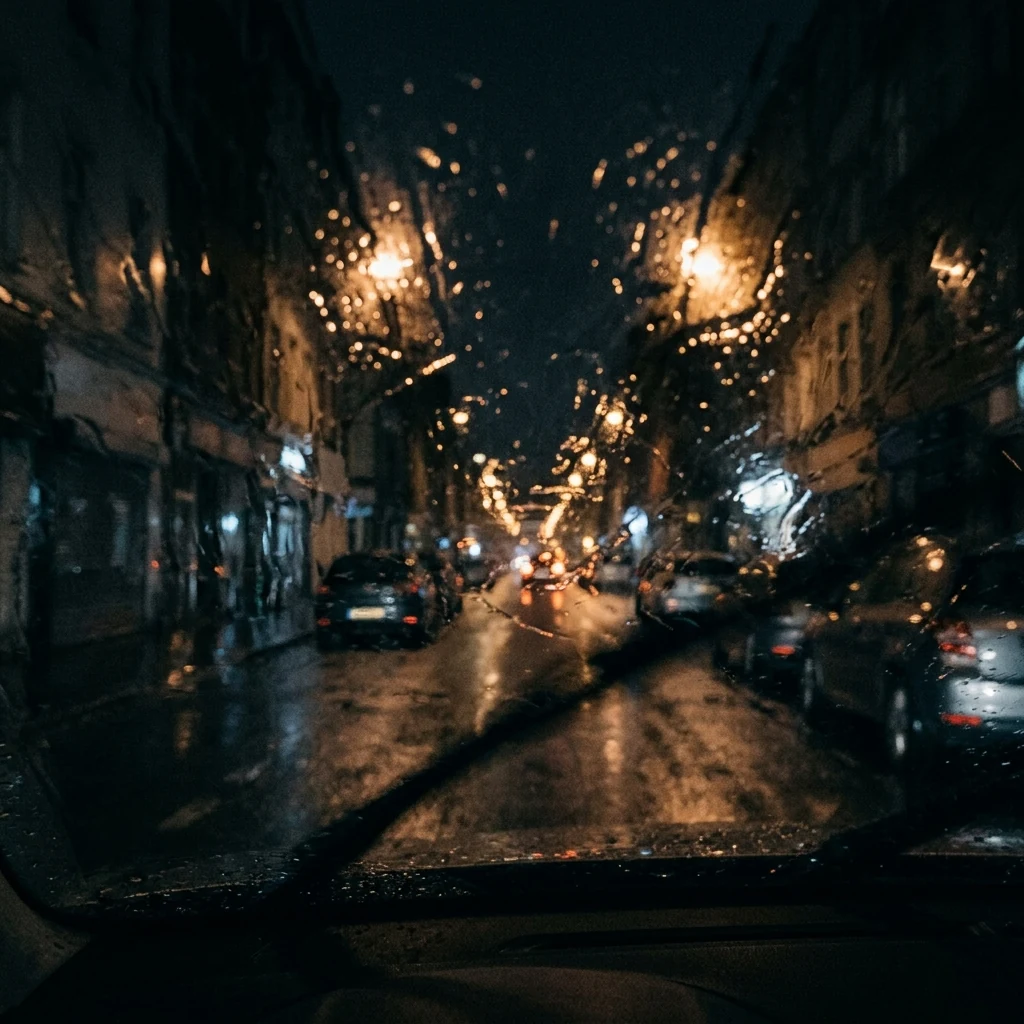
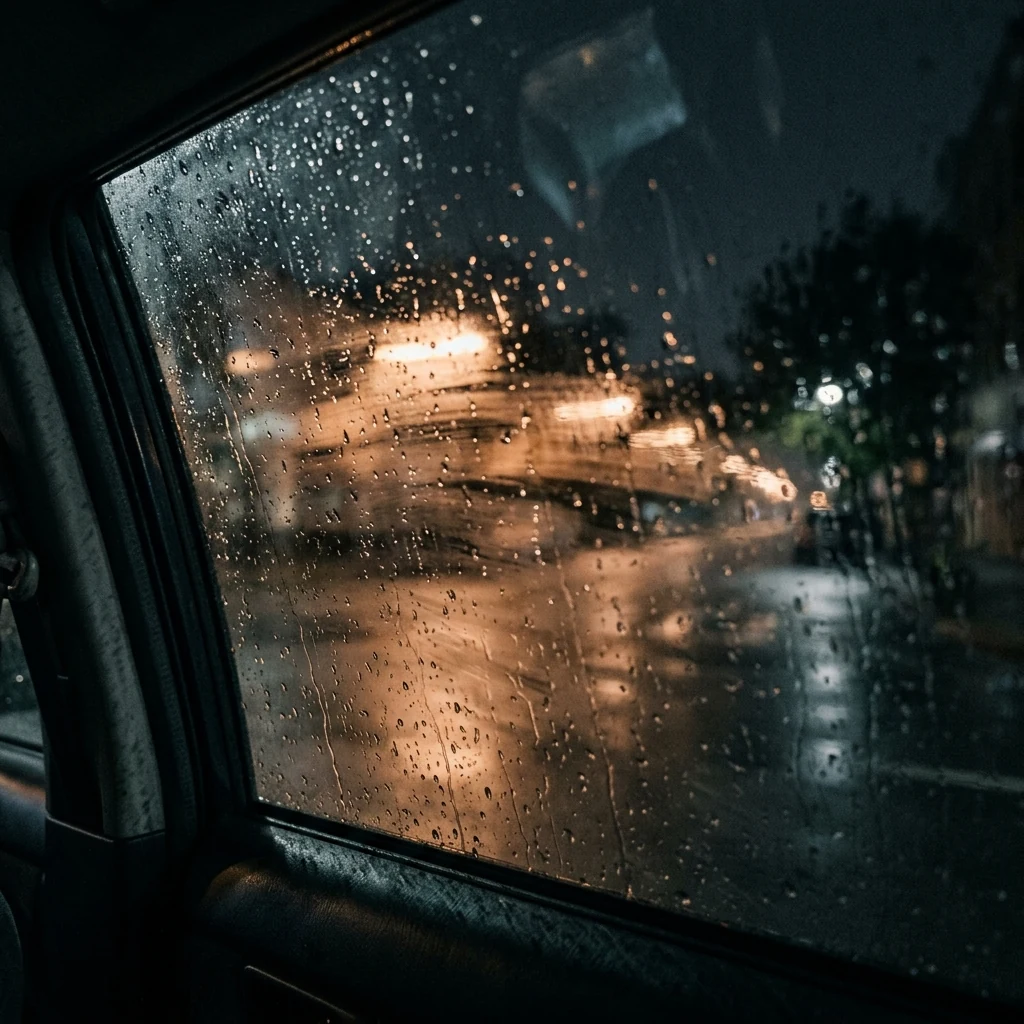
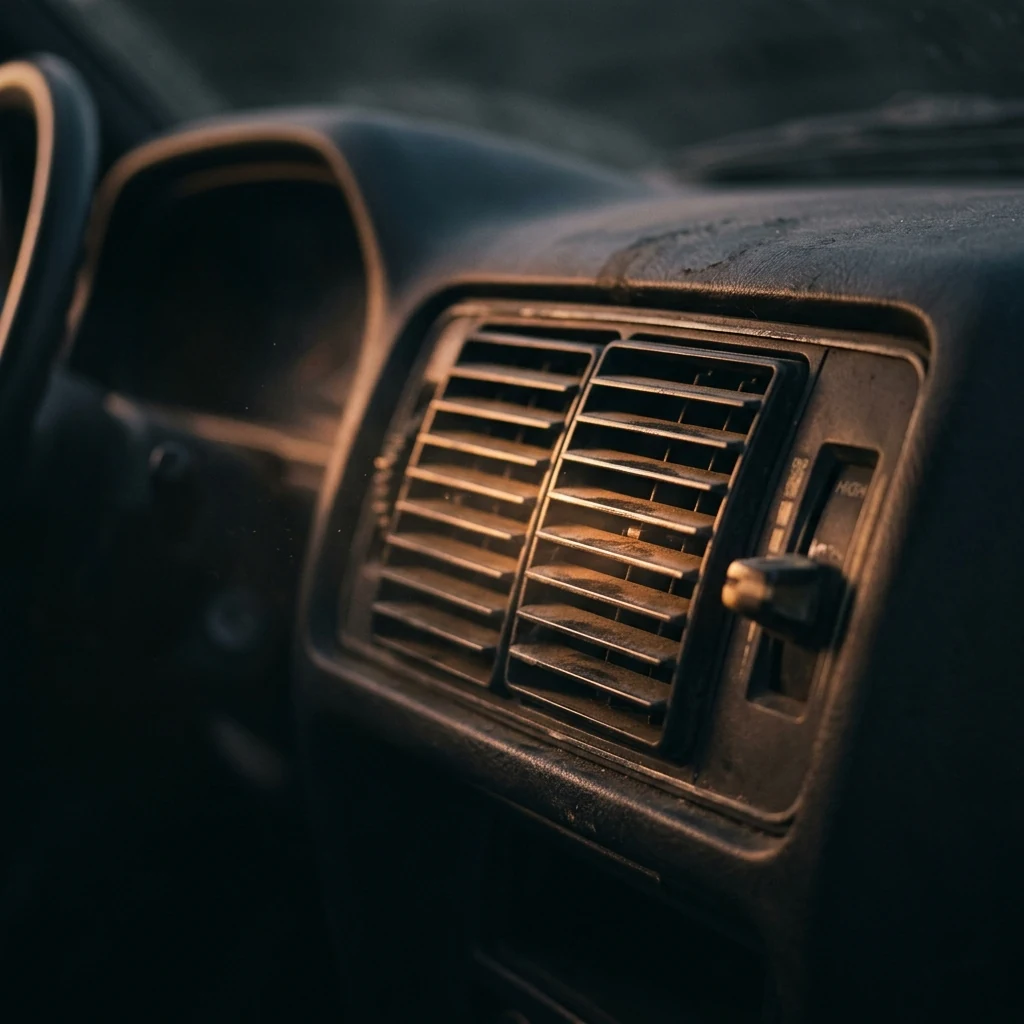
This is also what happened to you, at eleven, in the passenger seat. You were not trying to learn the song. You were watching the streetlights pass and thinking about something else — the homework, the dog, the small thing a girl at school had said. The song was incidental. The song was background. The brain, doing what brains do when the body is safe and the parent is driving, was binding the song to the streetlights and the wet road and the back of your father's hand on the gearstick and the smell of the heater on too high. It was making one thing out of all of that. Not five things — one thing. A fingerprint of an evening.
You did not choose any of this. You did not vote on which evenings to keep. The brain decided at a level below the level where you get a vote. It picked this one. It threw away ninety percent of the other car rides with your father. It kept this song.
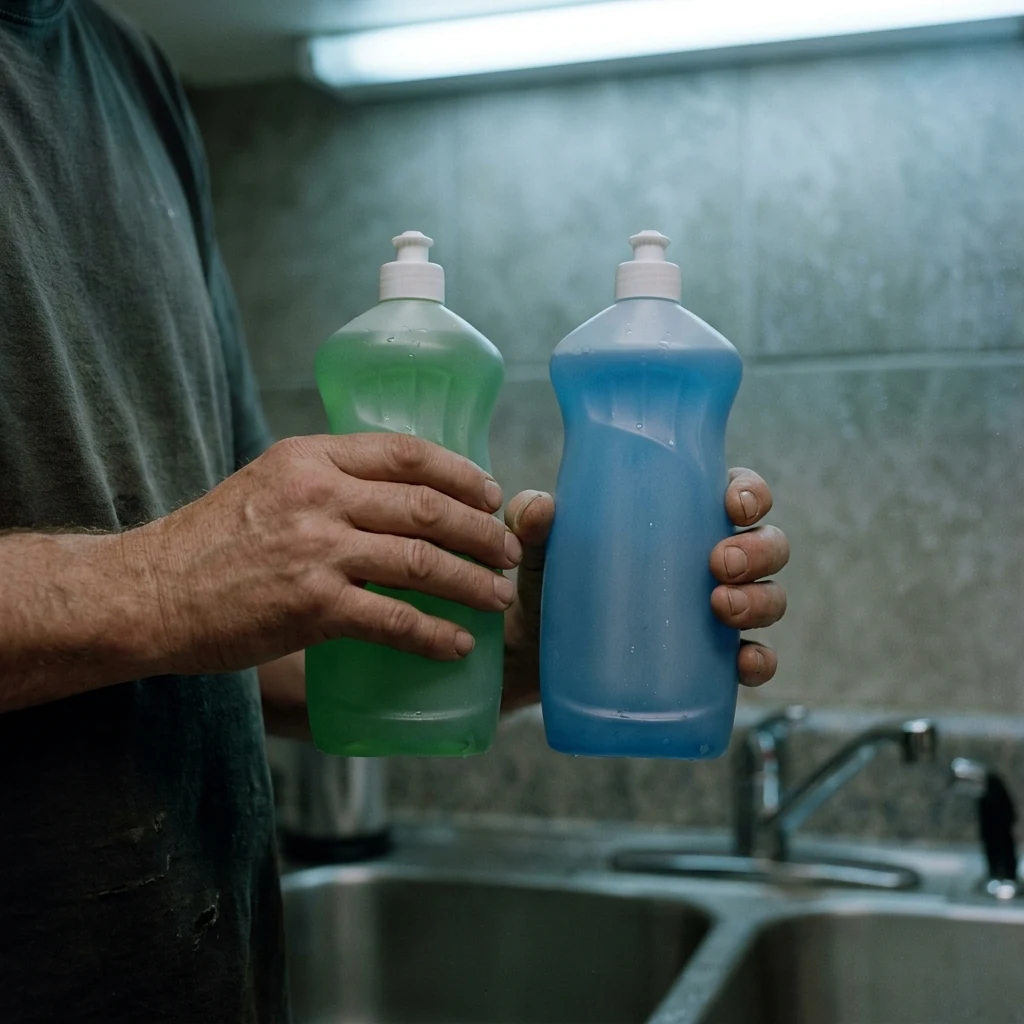
And so the synth comes in, and so the chorus you would know in two notes, and so you, standing between two dish soaps in a fluorescent aisle on a Tuesday in March, are also eleven years old in the passenger seat of a car your father is driving home in the dark, and he is not saying anything, and the dashboard is the only light, and the song is doing the thing songs do, which is to make this — the streetlights, the wet road, the back of his hand on the gearstick — into something you will be able to find again twenty years later by accident.
The song ends. The overhead speaker moves on to the next song, which is not the next song. The supermarket reassembles around you. The fluorescent lights are still fluorescent. The dish soaps are still dish soaps. You put the green one in the basket. You leave the blue one. You finish the shopping.
You do not look the song up. You will not look it up. If you look it up, you will own it; if you own it, you will play it; if you play it, you will play it once, and then a second time, and then a fourth, and then on the bus, and then in the kitchen while you are making something to eat, and then in the background while you are working, and then you will wear it out, the way a child wears out a toy by loving it too quickly. The song will become a song you have on your phone. It will not be the song your father had on the radio. The next time you need to be eleven for four seconds in a supermarket, the song will not work. The fingerprint will have been smudged by your own fingers.
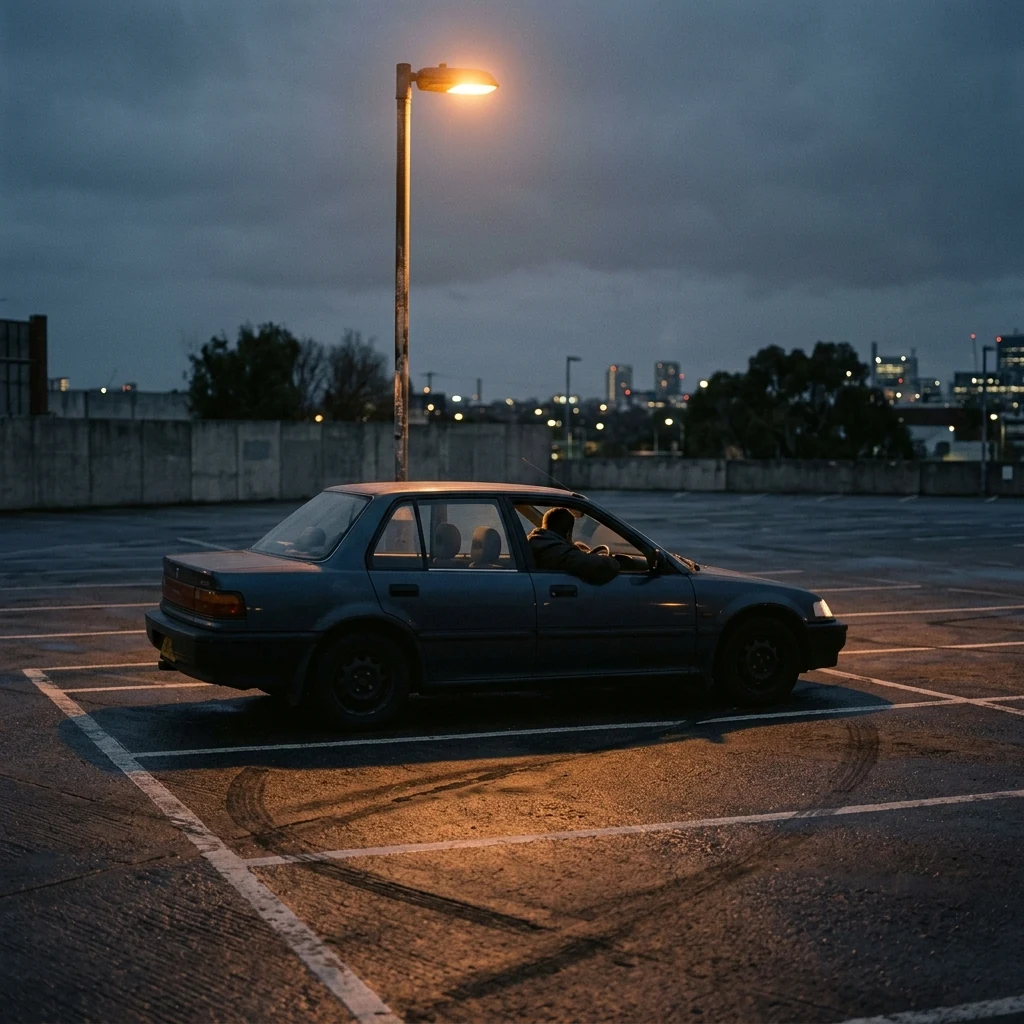
In the car park afterwards you sit in the driver's seat for a moment without starting the engine. The song is over now. The car park is a car park. Your father has been dead for nine years. The back of your own hand is on your own gearstick, and it looks, in a low light, a little like his.
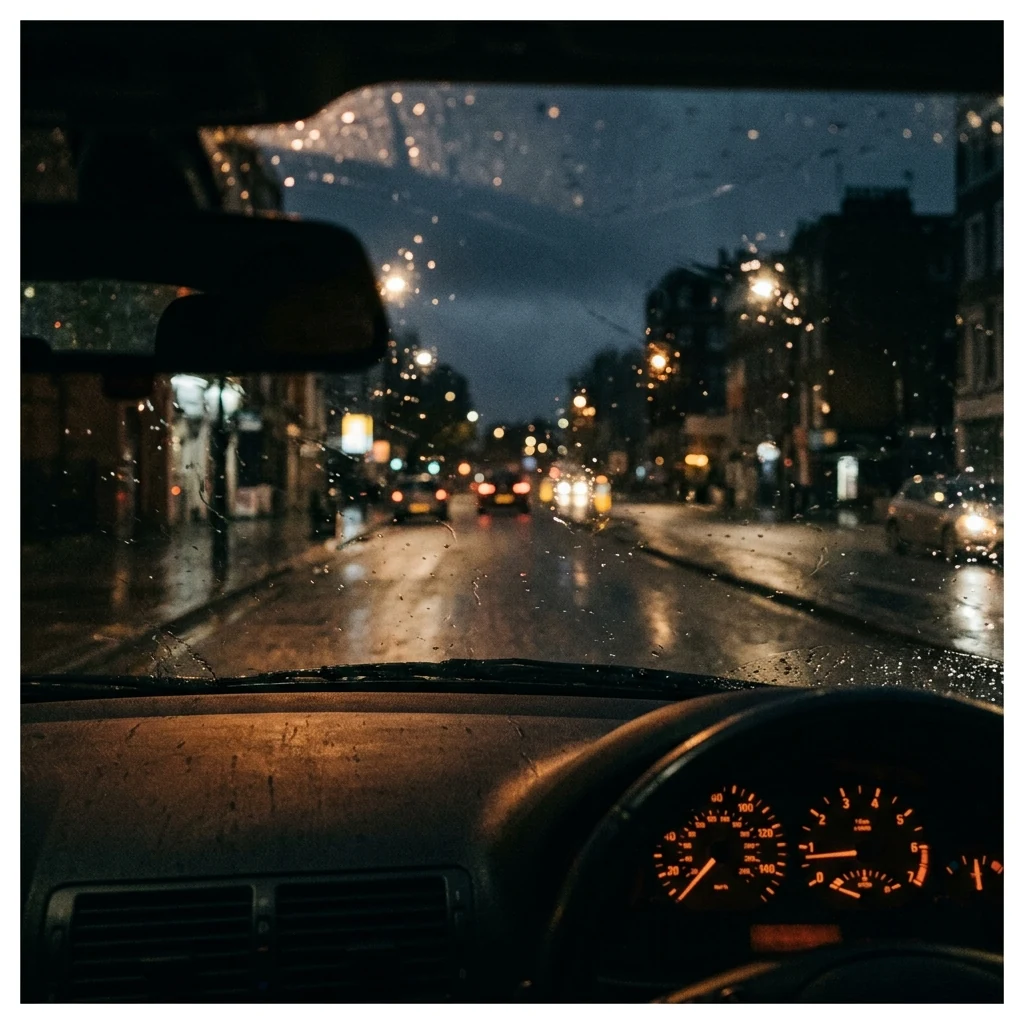
You drive home. You play nothing. The streetlights pass.