
Falling Asleep Next to Someone Is More Intimate Than Anything That Came Before It
The room is dark. The lamp has been off for a few minutes. You have done the small reshuffles people do — the pillow flattened a little, the blanket tugged half an inch toward your side, the foot finding the cool spot at the bottom of the sheet. The person next to you has done their own version of the same small reshuffles. Now neither of you is talking.
You are still awake. They are not, quite. Their breathing has begun to lengthen in the way you have learned to recognise. The shoulder against your shoulder has gone a fraction heavier. You can hear a person become unconscious six inches from your face. You have heard it before, and you will hear it again, and you have never properly considered what it is you are listening to.

Sleep is the most dangerous thing a mammal does.

This is not a metaphor or a flourish. It is the central engineering problem of being a vertebrate with a brain. A creature that sleeps deeply cannot detect a predator, cannot run, cannot fight, cannot scream a warning. Prey animals therefore sleep in short, fragmented bursts — gazelles in seven-minute episodes, horses mostly upright, ducks with literally one cerebral hemisphere on watch while the other sleeps. Predators sleep heavily, but only in their own territory, in dens they have chosen and inspected. The wild version of you would not sleep deeply within arm's reach of anything it could not flatten.

The body knows all of this. The body has been carrying the knowledge for a very long time. The cortex's threat-monitoring is quieted, every night, by signals from the brainstem — but only when the brainstem has decided the conditions are right. You cannot, by an act of will, sleep deeply in a room you do not trust. The decision is older than the trying.
Sleep in mammals is also, on the inside, a small accomplishment of physical surrender. During the REM portion of every cycle — roughly a fifth of the night, in five or six bouts — the body deliberately paralyses its own muscles. The dreaming body is locked in place so that it cannot get up and act out the dream and walk off the cliff. The lock-down is so complete that the diaphragm and the tiny eye muscles are almost the only parts still allowed to move. The body switches off its ability to defend itself, on purpose, several times a night.

This is what you are agreeing to do in front of another person.

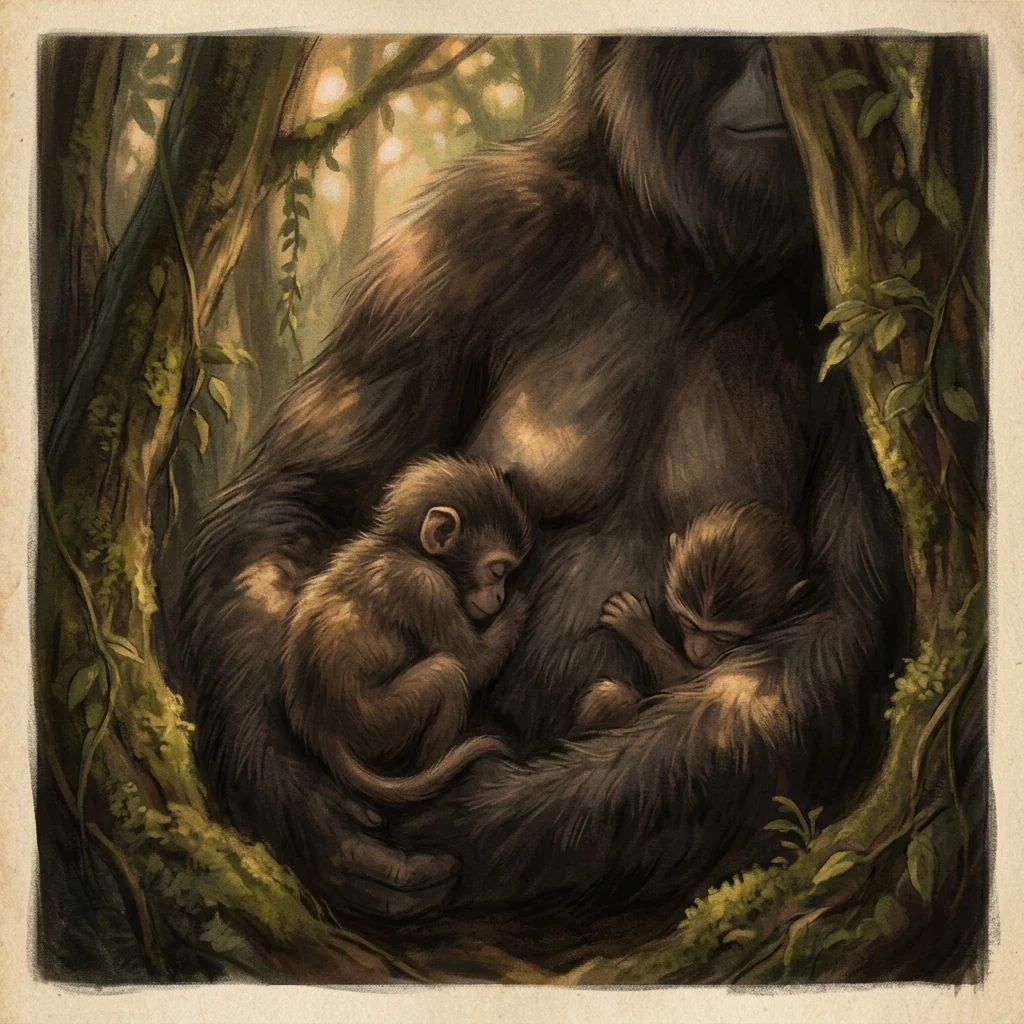
Mammals across orders have solved the danger problem by sleeping in piles. Wolves curl into a knot of bodies; bats sleep stacked into ceiling crevices; lemurs sleep in chains. Infant primates sleep on the parent's chest because the parent's heartbeat tells the infant's brainstem that the night is safe. Among humans, until very recently in our species' history, almost nobody slept alone. A single mosquito net, a single mat, a single fire, a single sleeping room. The lone sleeper in the single bed is a recent invention. The body has not been told.
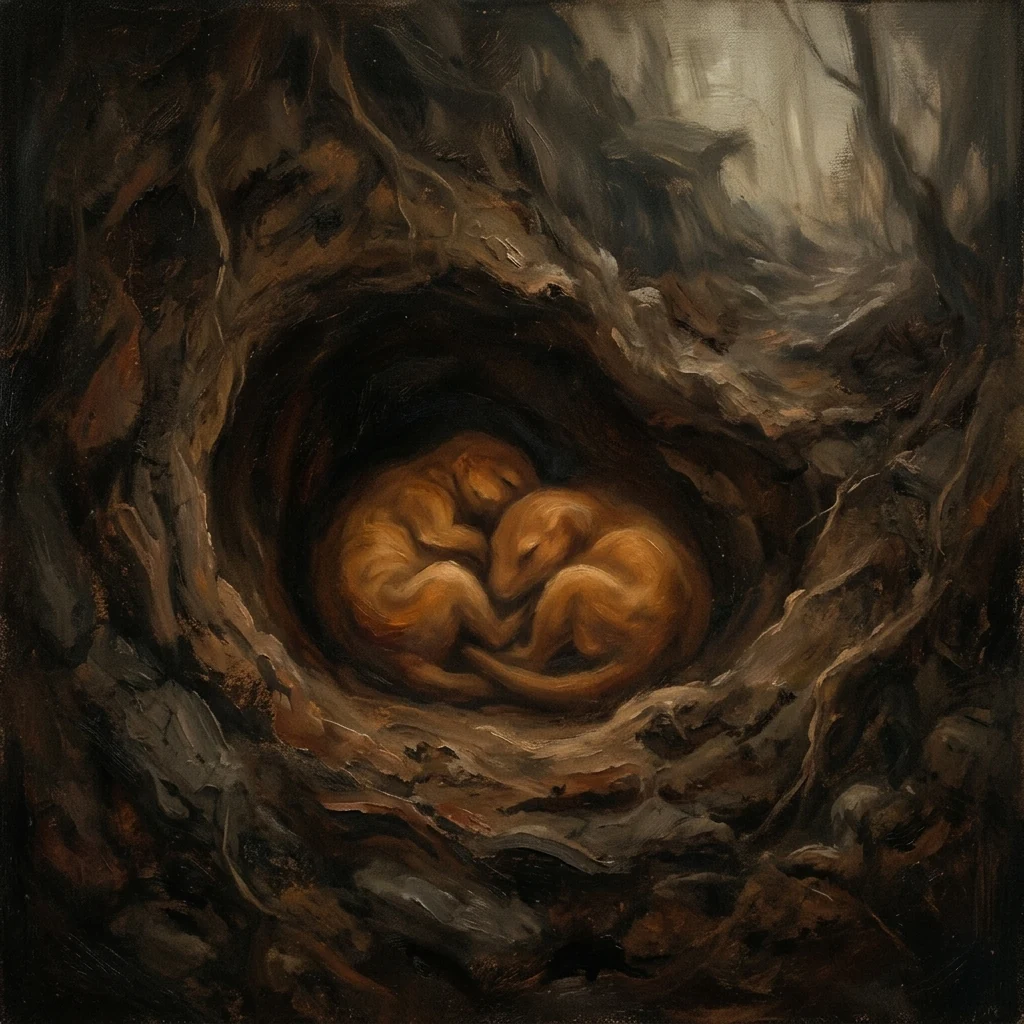
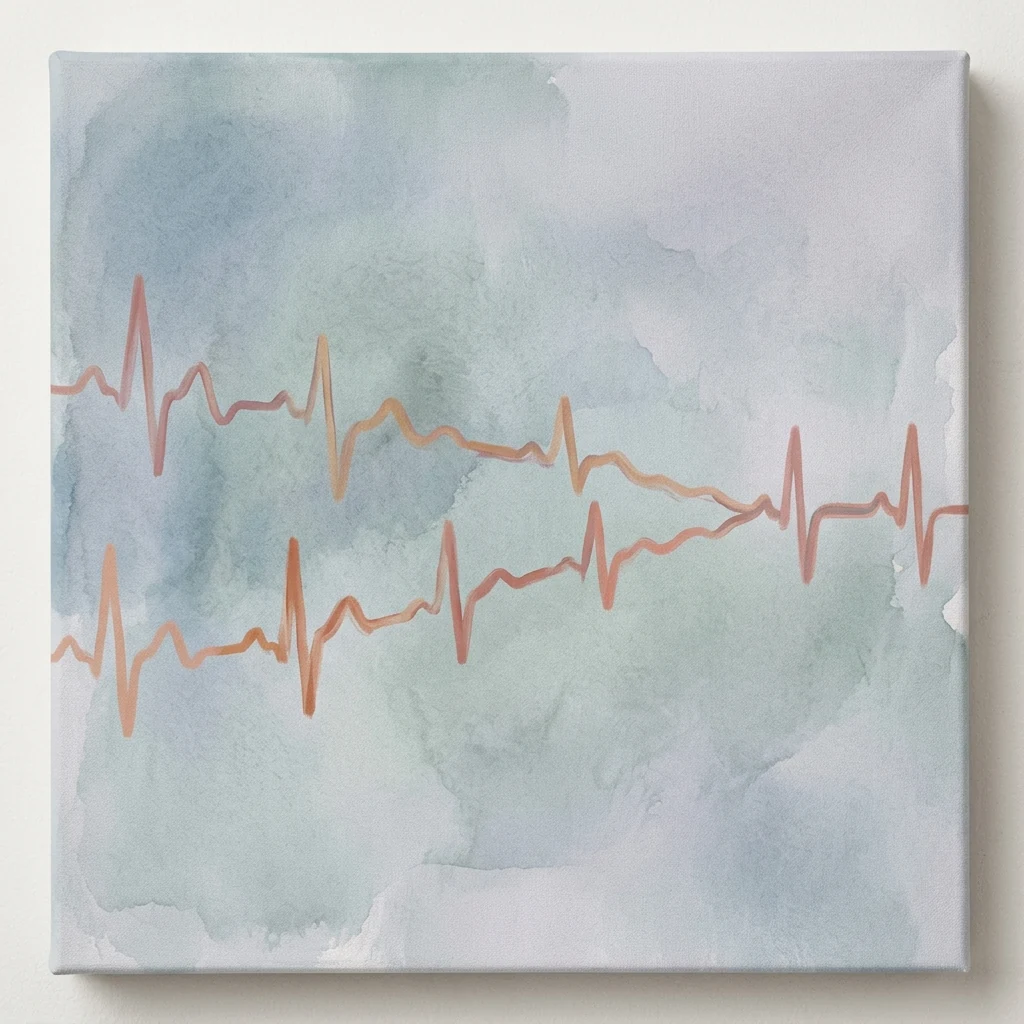
When two mammals fall asleep close enough to feel each other, their bodies begin a quiet co-regulation. Heart rates approach one another over the first hour. Breath cycles, in REM, drift toward synchronisation. Oxytocin and vasopressin — the same molecules that organise pair-bonding and parental attachment — lower the threat-monitor specifically in the presence of a familiar conspecific. The body is making the same calculation a small warm thing in a Mesozoic burrow used to make: this one. I will go under, here, next to this one.
And so all of this — the cortex agreeing to go offline, the muscles agreeing to paralyse, the brainstem agreeing to lower the threat-monitor, the wild creature inside you agreeing to spend several hours unable to defend itself — and so you, in the dark, listening to the other person's breath slow and then slow again, are doing the most dangerous mammalian thing there is, doing it on purpose, doing it because they are there.

This is why falling asleep next to someone is the unsayable intimacy.
Sex is louder, and easier to talk about, and easier to mean less than it looks like. Saying I love you is smaller, and easier to take back, and easier to mean while meaning slightly something else. Falling asleep next to a person is the act the body cannot fake. You cannot decide to go unconscious. You can only stop preventing it. Stopping preventing it, in front of another animal, is the oldest concession the species knows how to make.

It is also why some of the loneliest acts of intimacy in human history have been people lying awake all night next to a person they have decided they cannot stay with. The mind has made one decision and the body has been asked to make the older one and is refusing. The body knows what falling asleep next to someone means. It does not have to be told. It will not do it when it is wrong.
The body also knows when it is right. The infant who falls asleep on the parent's chest, the grandmother who sleeps next to the grandchild with a fever, the siblings sharing a single woven mat under a single mosquito net, the lovers in a small flat in winter — these are not separate events. They are one event in different sizes. The same surrender. The same signing off. The same older language saying yes, you, even unconscious.
You are still listening. The breathing next to you has become as slow as it gets. The shoulder has gone the rest of the way heavy. You have nothing else to do; you let the listening dissolve. The room continues to be dark. The sheet continues to be a sheet. Outside, a car passes and does not stop.

The body, the older language, has already signed off. The mind, slower, finishes its small inventory of the day. The room takes both of you.

You go under.

They are there.