The Heat Death of the Universe and What to Make for Dinner Tonight
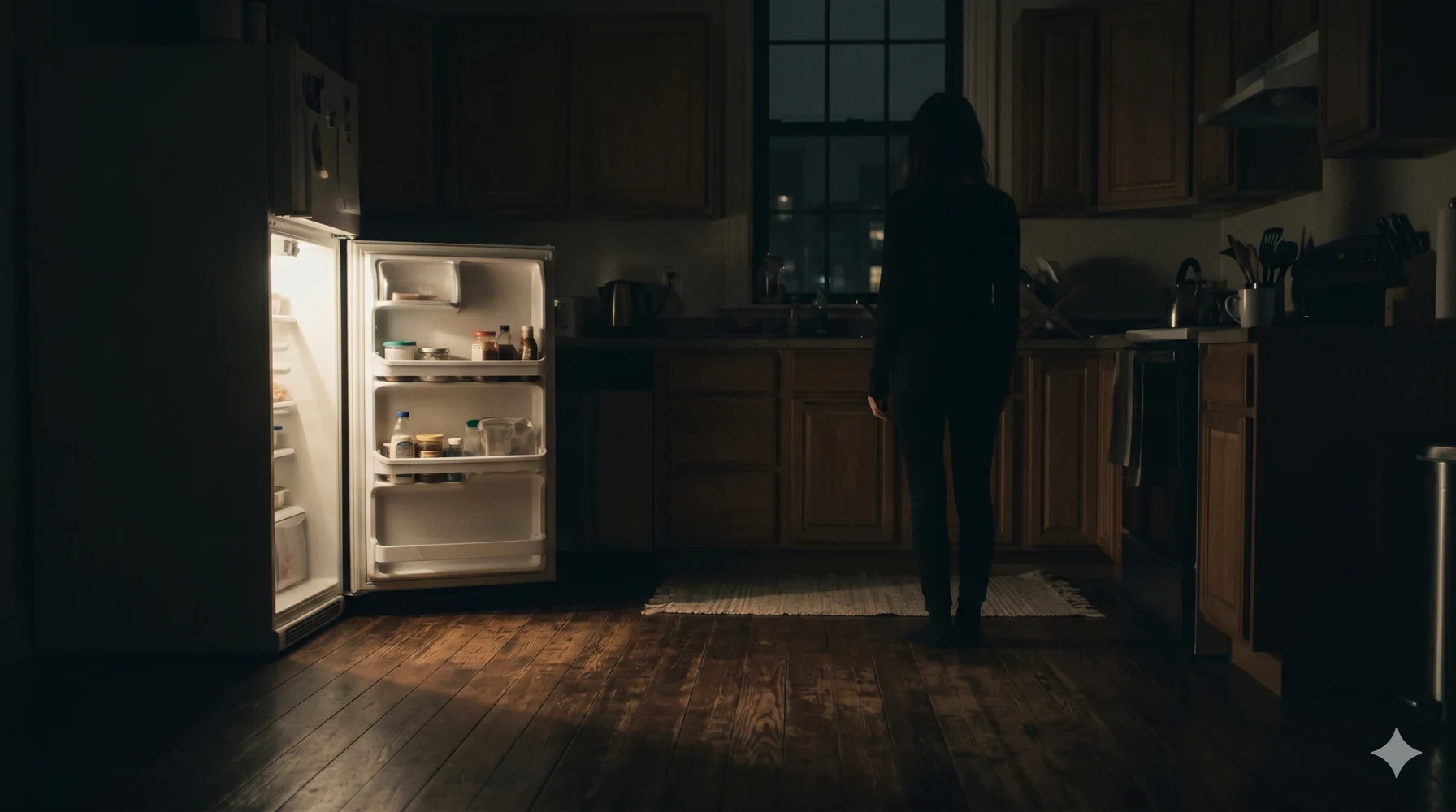
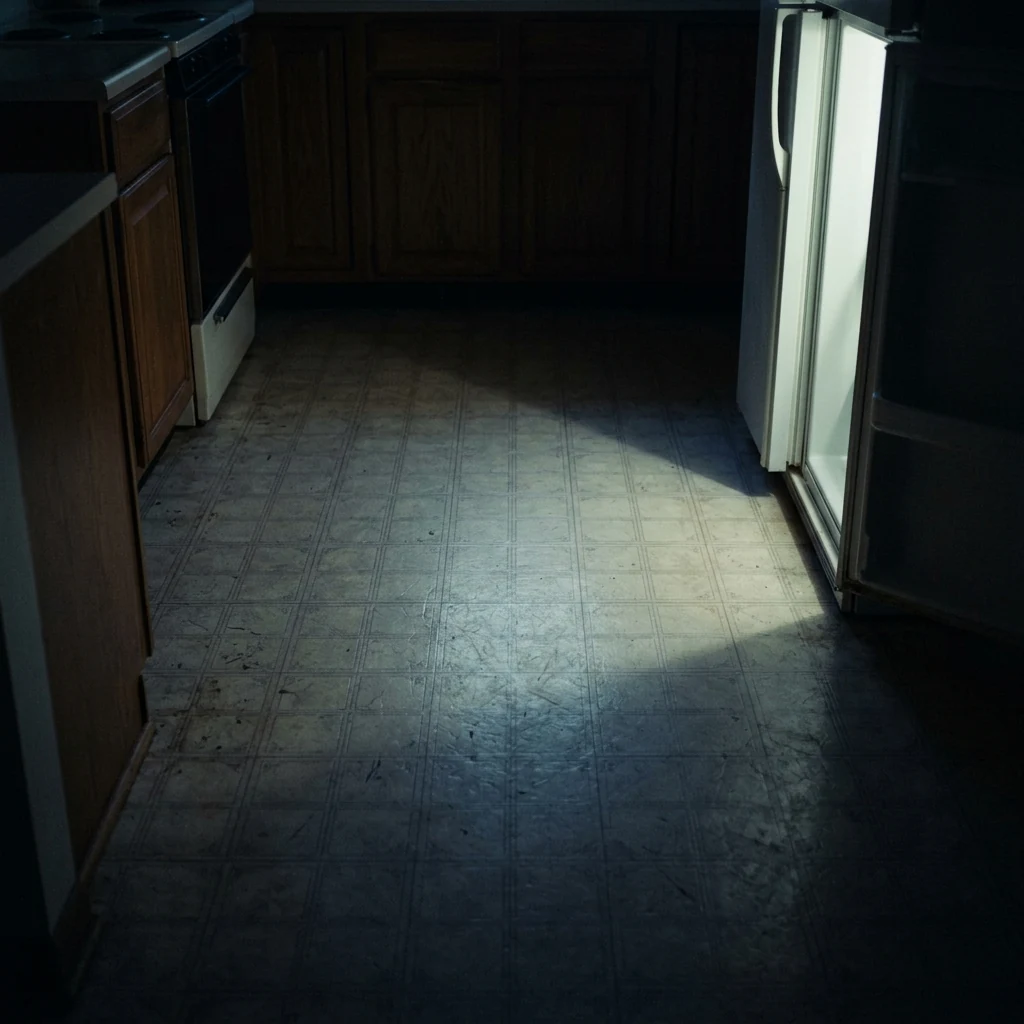
It is 7:14 on a Tuesday and you are standing in front of the open fridge. You are not hungry. You will eat anyway.
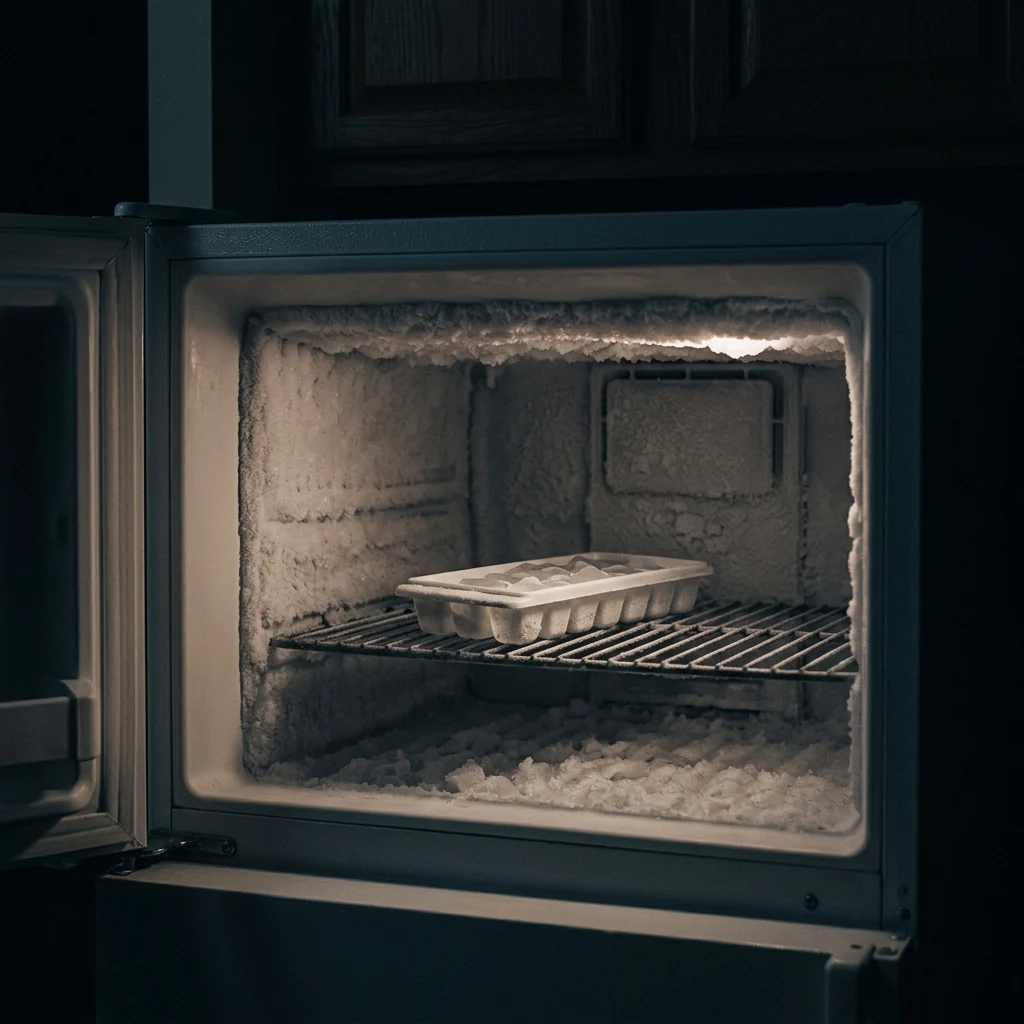
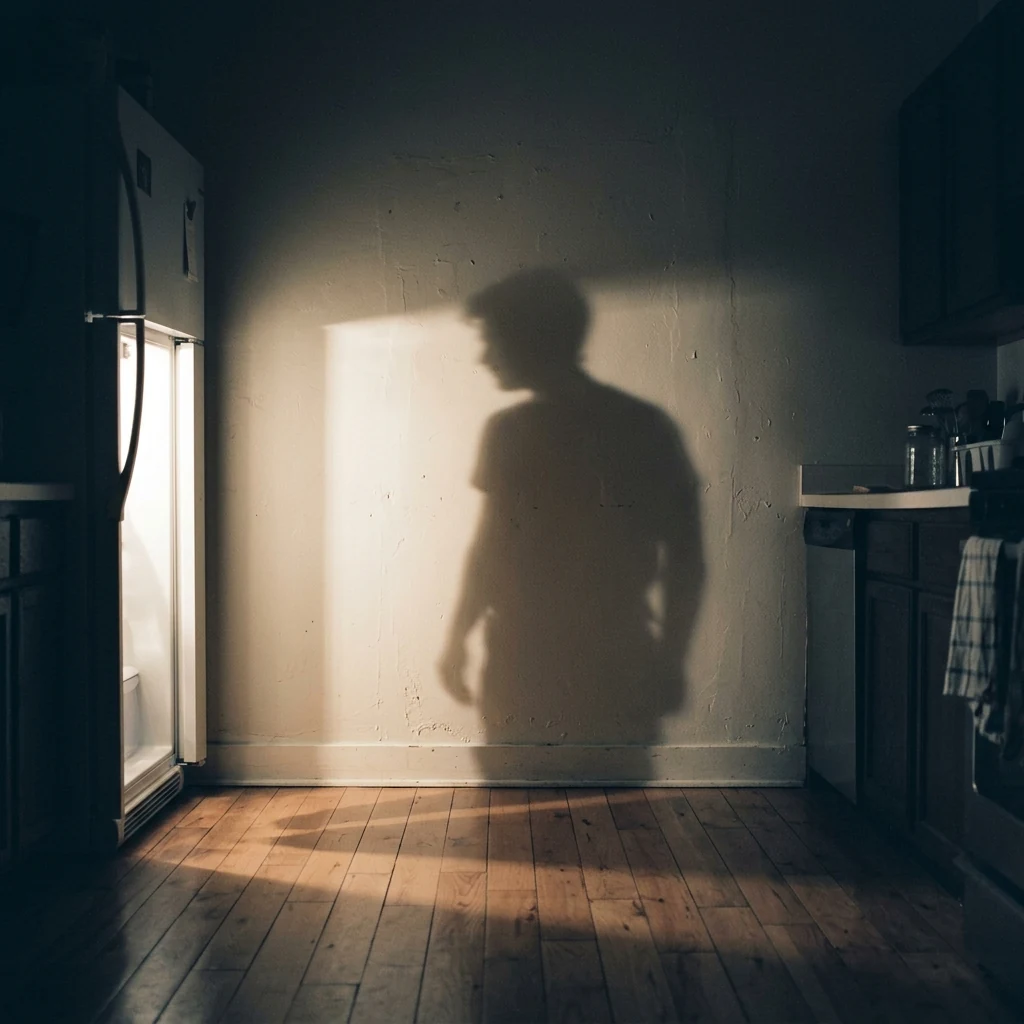
The light from inside the fridge is the only light in the kitchen. It falls onto your bare feet in a pale rectangle, and the cold air falls with it, and you notice — for the second or third time this week — that your fridge is humming a single sustained note that is almost, but not quite, in tune with the fridge of the apartment next door.
You are deciding what to make for dinner.
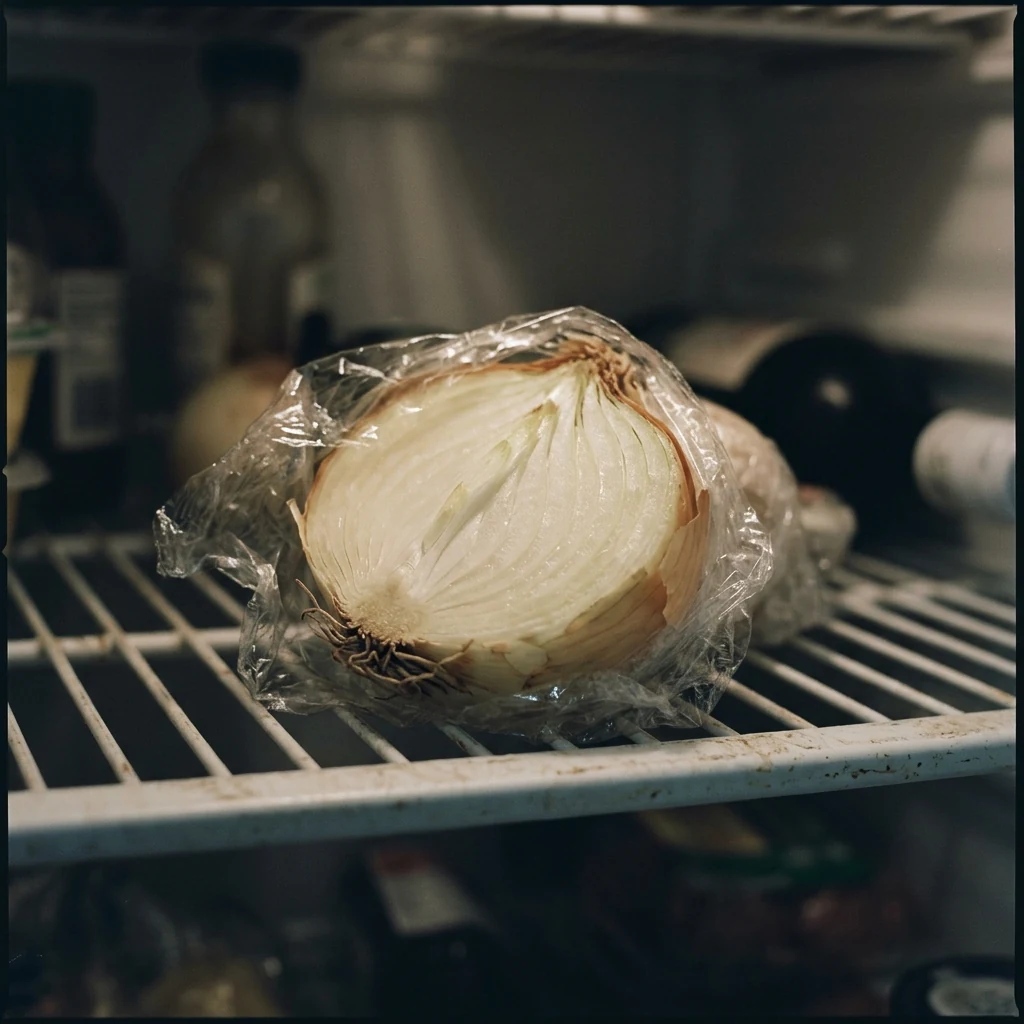
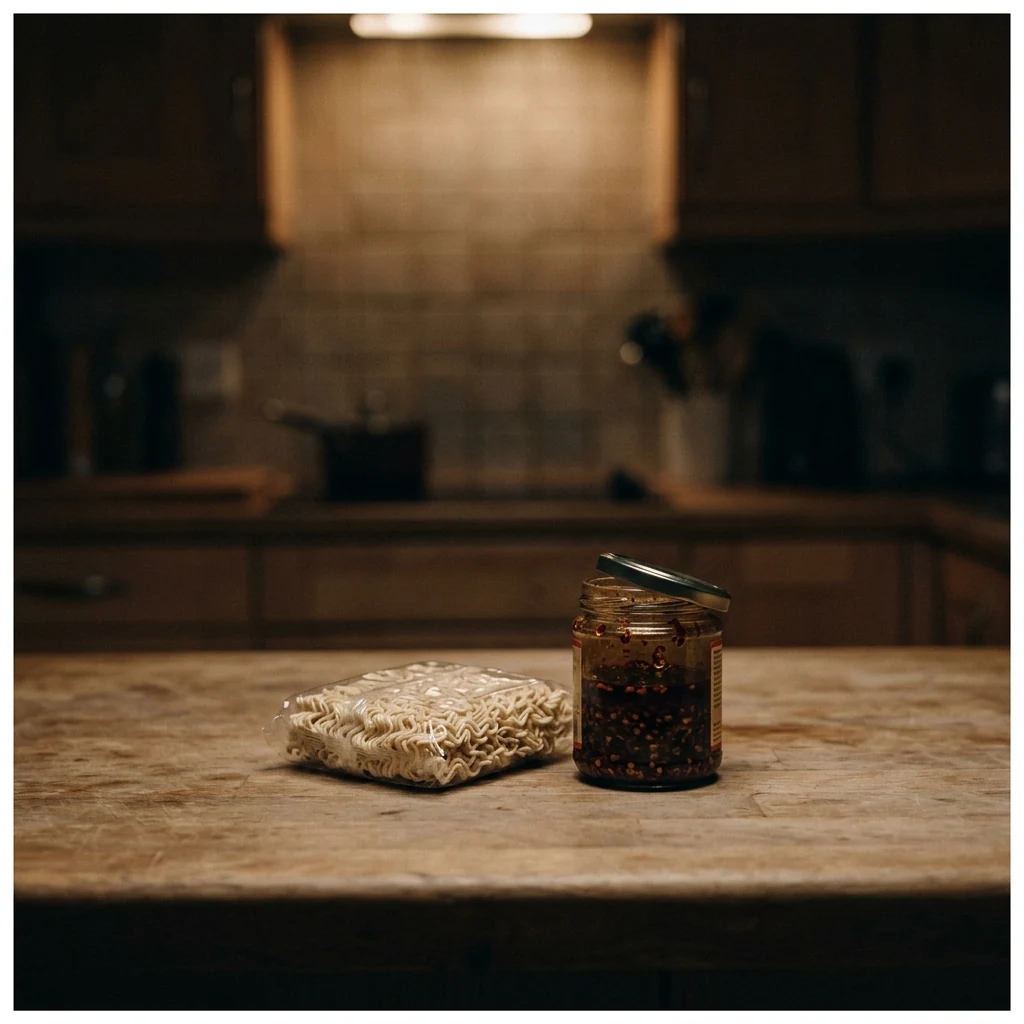
This is not a difficult decision. The materials are limited: half an onion in cling film, a packet of noodles, two eggs, a wilting bunch of something that was once coriander, a jar of chili oil with the lid not screwed back on properly. The decision is, in fact, already made. It has been made every Tuesday at 7:14 for as long as you can remember. You will make the thing you always make. You knew this when you opened the fridge. The fridge knew it too.
Still, you stand there. The cold falls on your feet. The fridge hums its note. Outside the window, a motorbike starts and does not finish starting.
Roughly fourteen billion years ago, a region of space the size of a small fruit contained everything that would later become every star you have ever seen, every star you have not seen, every star nobody has ever seen, and the matter that would eventually become you, and the matter that would eventually become the half onion in cling film. None of it knew, at the time, that it would one day stand barefoot on a kitchen floor on a Tuesday, considering a decision that had already been made.
But here we are.
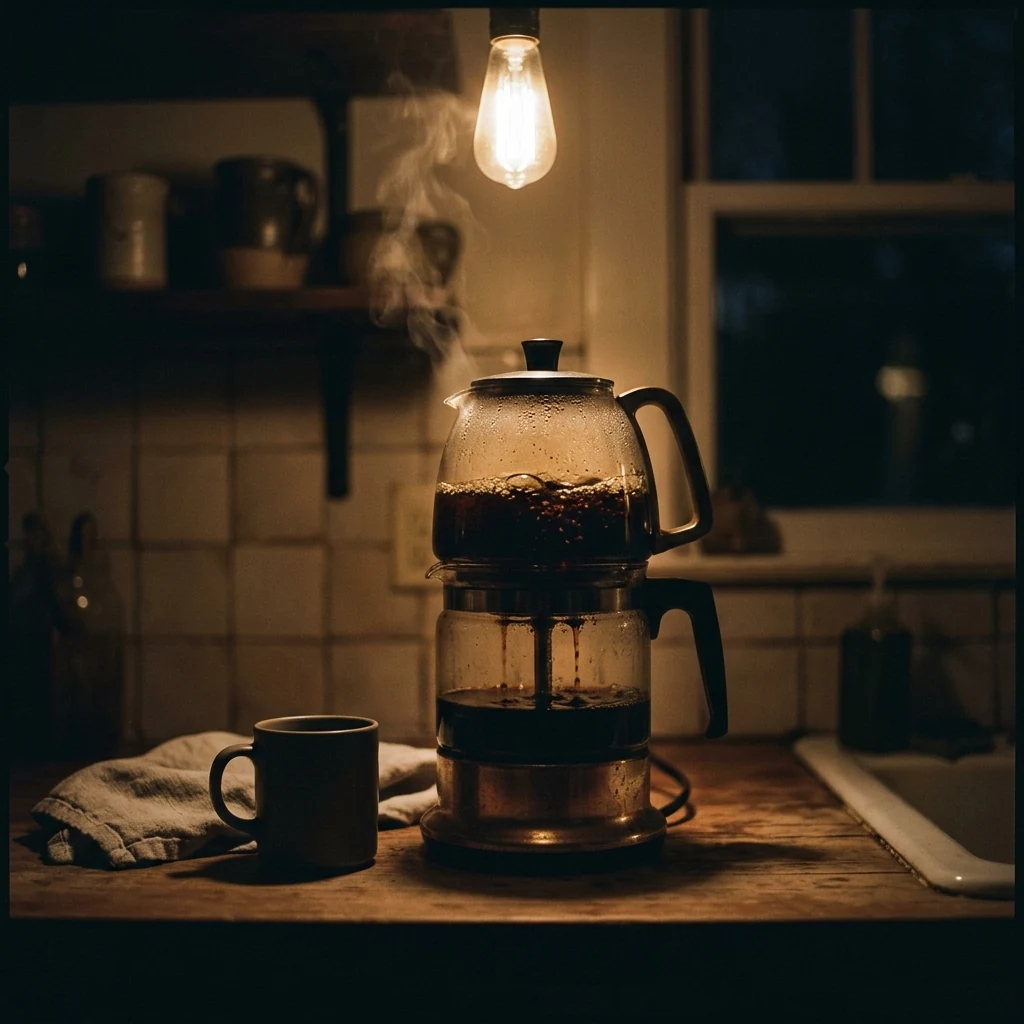
The story of the universe, stripped of theology and screen savers, is the story of things getting cold. After the first violent expansion, the universe was uniformly hot and uniformly bright and uniformly nothing-in-particular. Then it began to cool. Gravity got hold of the clumps. The clumps got hot enough to burn. We call them stars. Stars are, technically, accidents — small leftover concentrations of warmth that the universe is in the process of forgetting it ever had.
This forgetting is governed by what physicists, with their unfailing gift for the dramatic, call the second law of thermodynamics. The second law says: in any closed system, entropy — the quantity of useless dispersed energy, the measure of how spread out a thing has become — only ever increases. You can rearrange the chairs in the room, but the universe pays for it. Always.
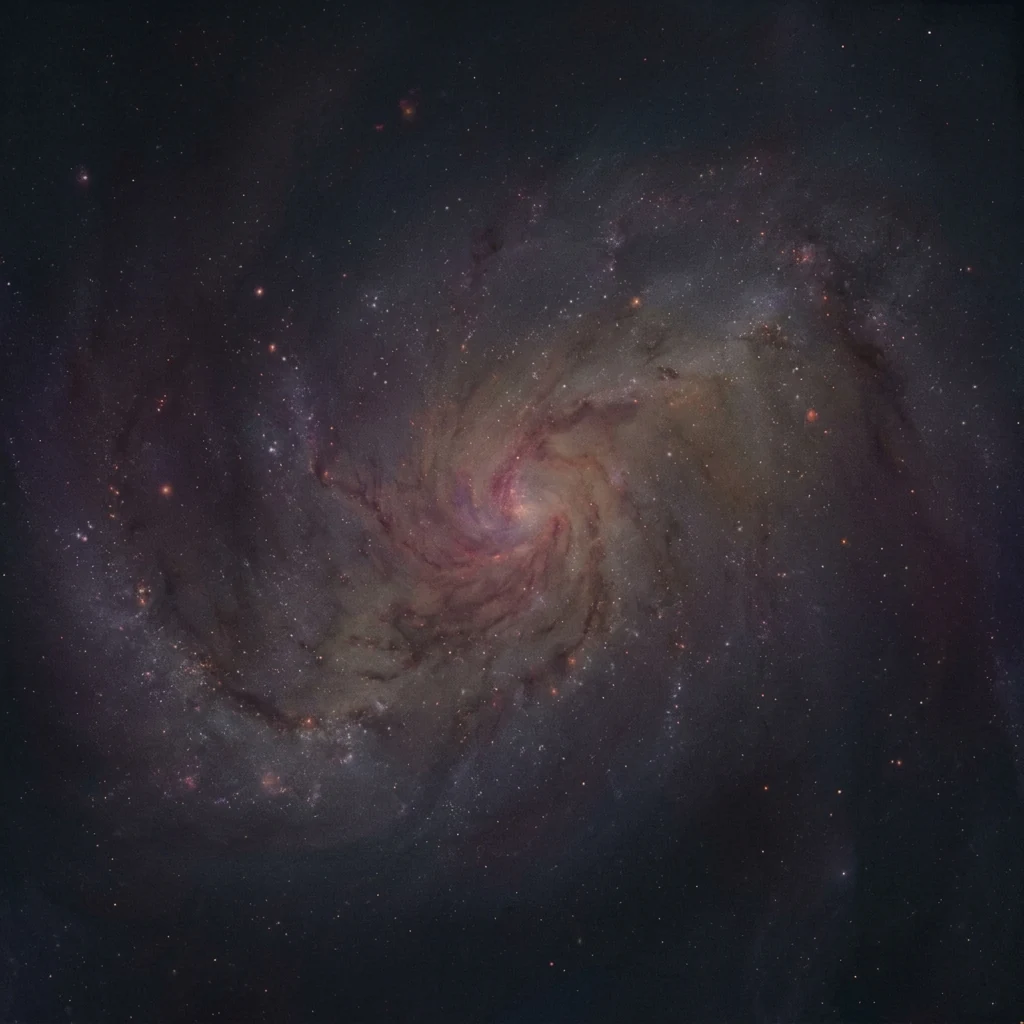
The universe is a closed system. There is nowhere outside the universe for the entropy to go.
The implication is small and quiet and final: over a long enough period, every concentration of energy in the universe will smooth itself flat. Every star will burn through its fuel. Every black hole will, over absurd stretches of time, evaporate. Every spinning thing will slow. Every warm thing will cool. The universe will become a thin lukewarm fog of itself, at exactly the same temperature in every direction, with nothing hotter than anything else, which means nothing will be able to do anything — because doing anything at all requires a difference in temperature somewhere. Work requires unevenness. Life requires unevenness. Thought requires unevenness.
In roughly ten to the hundred years — a number with no useful comparison; a number against which the current age of the universe is a rounding error of a rounding error — the universe will not so much end as finish. There will be no explosion. There will be no shutting off of the lights. There will be no last day. The lights will simply have already, gradually, become indistinguishable from the dark.
The universe is not going to die. The universe is going to get tired.
You should hold this in your head while you stand in front of the open fridge. You should not let it go.
There is a footnote here that is easy to miss but does most of the work.
The second law says entropy increases in a closed system. It does not say entropy increases everywhere, all the time, locally. Within a small region of the universe, with enough energy poured in from outside, entropy can briefly, locally, run backwards. Things can become more ordered, not less. A bird can take scattered twigs and assemble them into a nest. A glassblower can pull a smooth sphere out of a puddle of molten silica. A cell can take a molecule of glucose and arrange it into other, less probable molecules that allow it to keep being a cell for another few minutes.
The price, always, is that more entropy is exported somewhere else than is locally reduced. The bird breathes; the breath is warmer than the air. The glassblower's furnace burns gas. The cell metabolizes its glucose into heat and dispersed waste. The local order is paid for by a slightly larger disorder in the surroundings. The universe's account always balances, and it always balances against you.
Cooking is this rule made dinner-shaped.
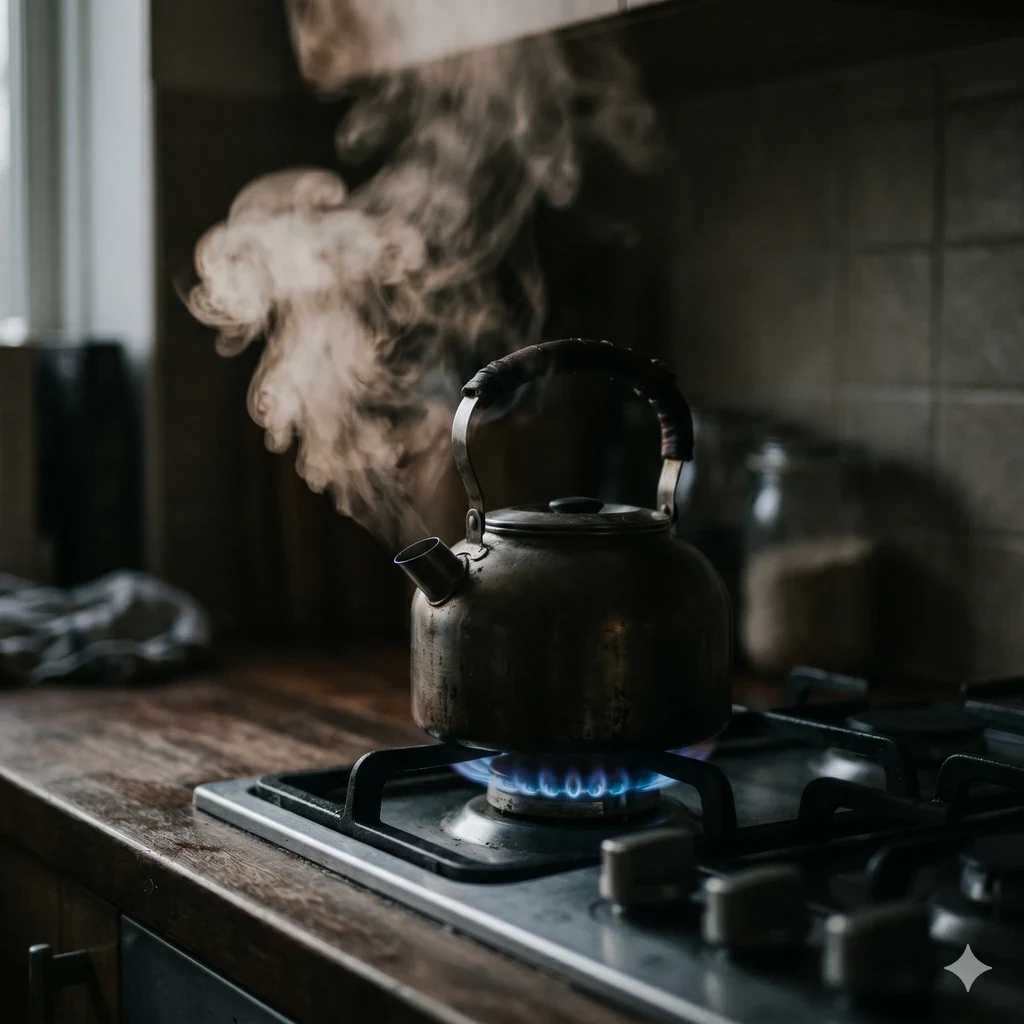
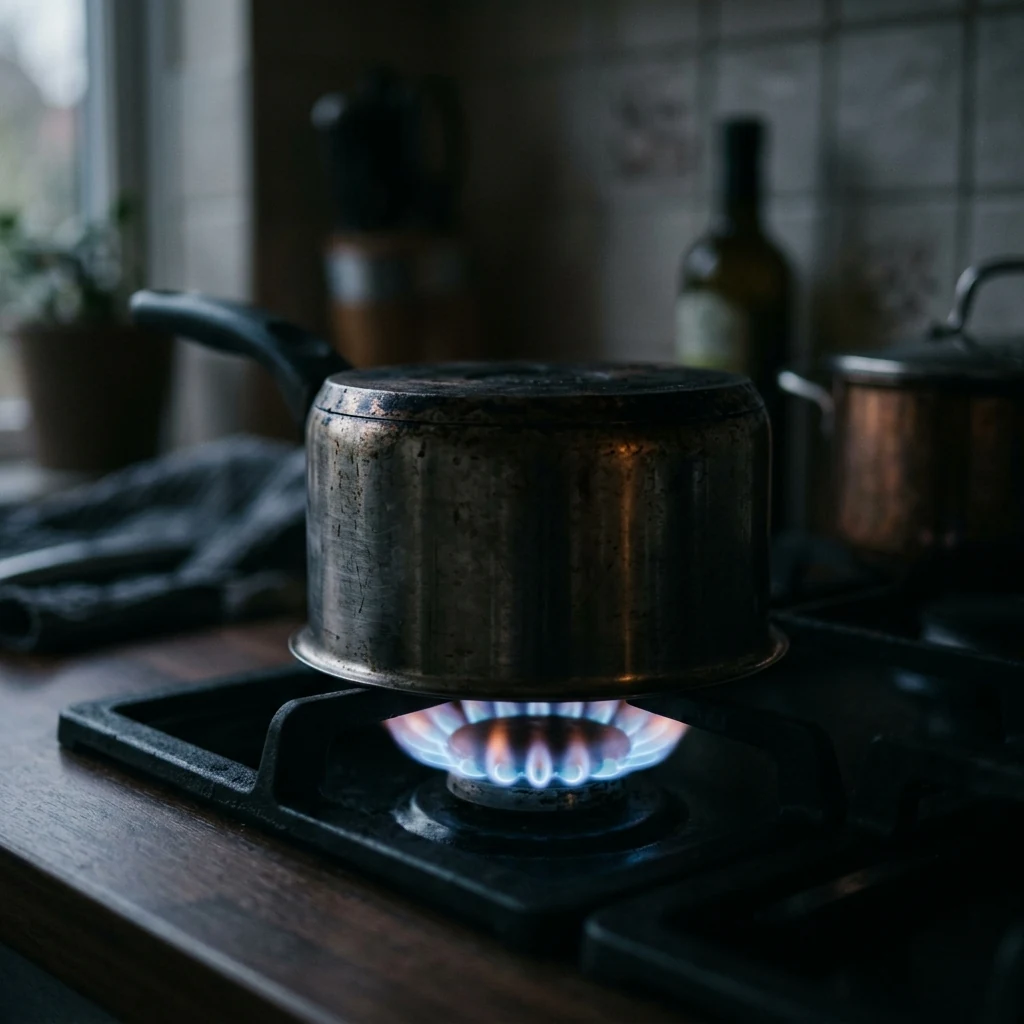
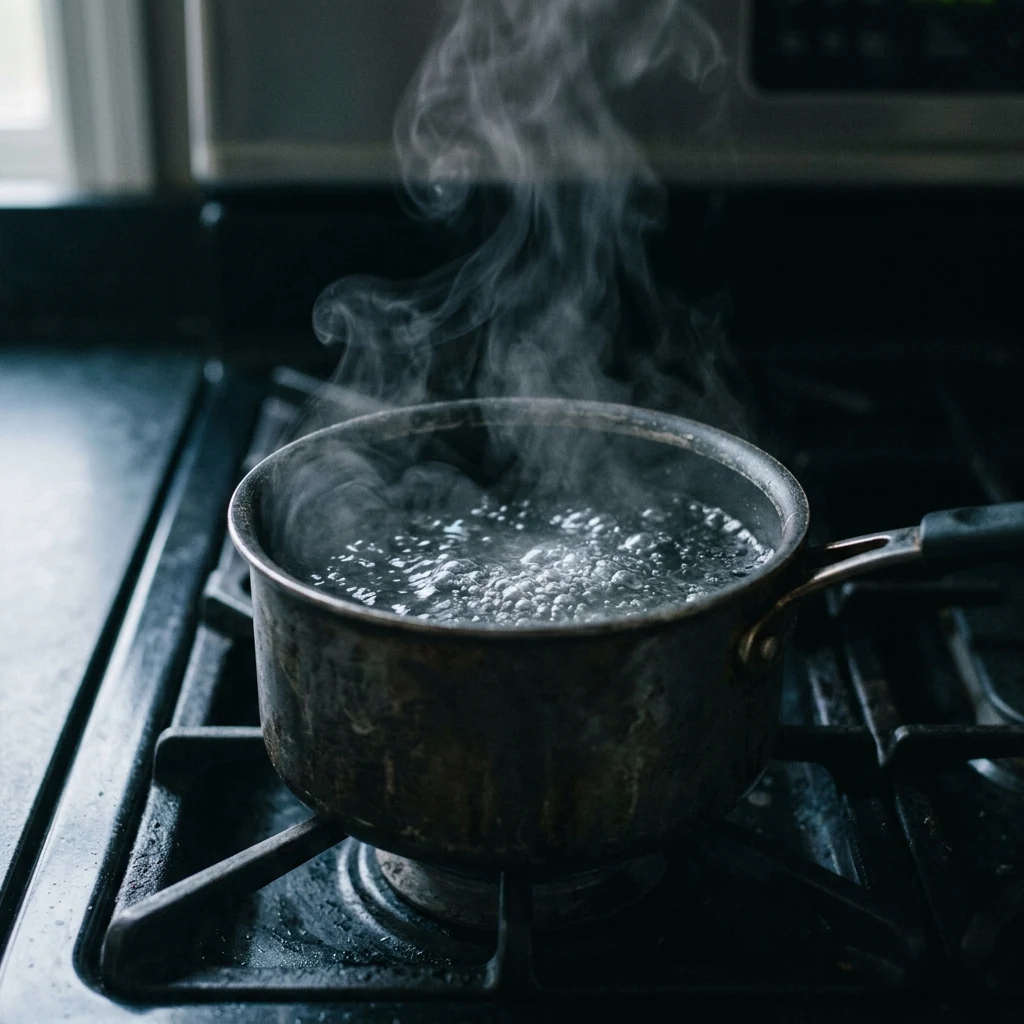
When you boil water for noodles, the gas flame on the stove is converting a long molecule of methane and some oxygen into shorter, less ordered molecules — carbon dioxide, water vapour, heat radiated in every direction. The heat enters the bottom of the pot. The molecules of water at the bottom of the pot accelerate. Some of them break the surface. The steam carries away more entropy than was reduced by the water's brief, organized rolling boil. The kettle next to the stove is doing the same thing on a smaller scale. The fridge behind you is doing it in reverse, paid for by the electricity grid, which is paid for by a coal plant a hundred kilometres away, which is paid for, in the end, by the slow thermal death of a star nobody alive has ever seen.
When you stand at the stove with chopsticks and stir noodles into hot water, you are running a small, brief, doomed counter-current against the universal slide.
You are a temporary local exception.

So is the cat. So is the geranium on the windowsill. So is the downstairs neighbour, who is, at this exact moment, cooking something that smells of frying garlic. So is the man on the late bus reading the obituaries. So is the entire warm, noisy population of the planet Earth, which is currently using the gradient between a hot star and cold space to run a great many small, brief, doomed counter-currents against the universal slide — almost all of which involve, at some point in their day, deciding what to make for dinner.
This is what you are. This is what cooking is.
And so the universe is, atom by atom and joule by joule, becoming the same temperature as itself. And so you, at 7:14 on a Tuesday, with the fridge open and the cold air falling onto your bare feet, are deciding what kind of small local exception to be tonight.
You close the fridge.
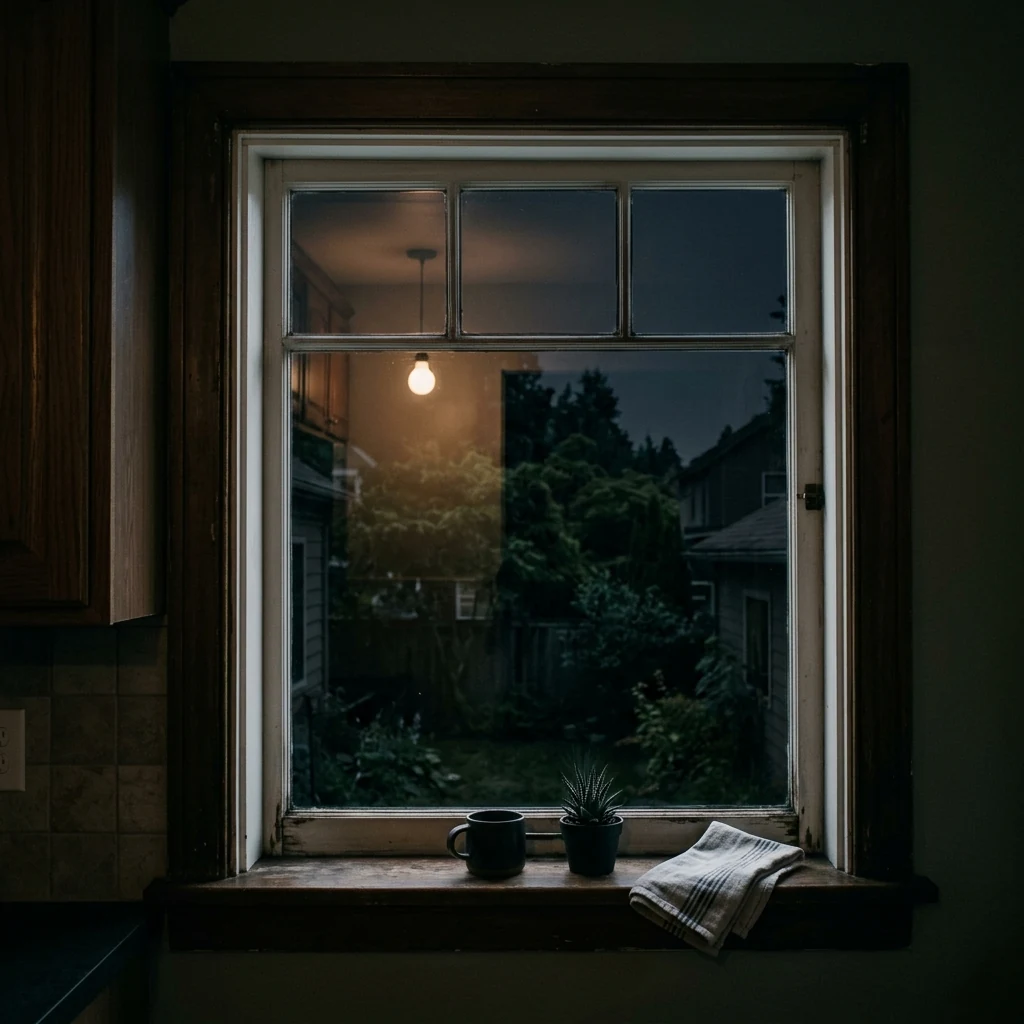
The kitchen is dark again. You stand for a moment with your hand still on the handle. Outside the window, the motorbike has either started or given up; you do not know which. The fridge hums its single sustained note, almost in tune with the fridge of the apartment next door.
You take down the pot. You fill it with water. You put it on the stove. You turn the dial and the small blue flower opens at the bottom of the pot, and the molecules of methane begin their long conversion into shorter, hotter, more dispersed things, and the universe pays the bill quietly in the background, and the water, very slowly, begins to make up its mind about boiling.
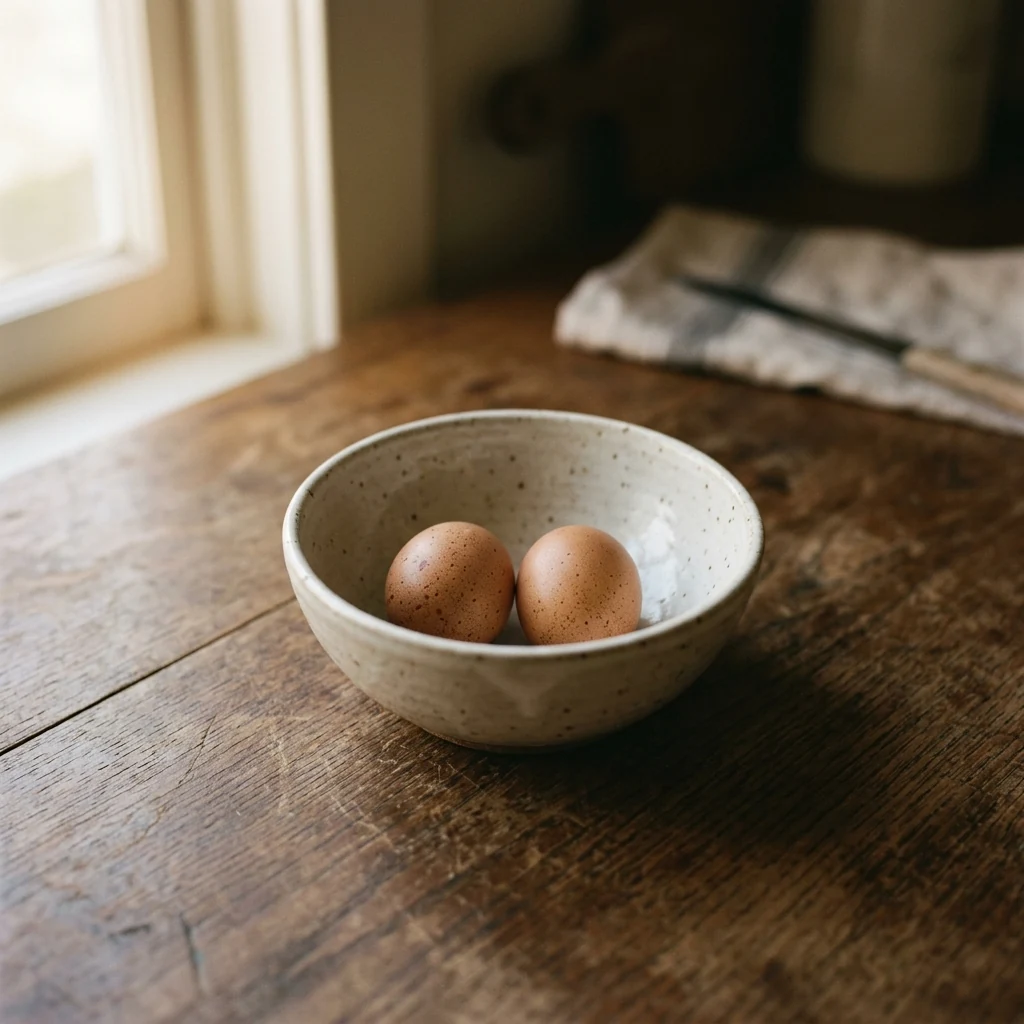
You crack the eggs. You chop the onion. You eat alone, standing up, from the pot.
You will do this again tomorrow.