Every Atom in Your Body Was Forged in a Star That No Longer Exists
It is morning, and you are at the bathroom sink. You have just brushed your teeth. You have just spit into the basin. And you have just noticed — for the fifth or sixth time this month — a fine pink thread of blood in the water, turning lazily as it spirals toward the drain.
Your gums bleed sometimes. You know this. You have meant, for several years now, to do something about it.
You run the tap. The water clears. You wipe your mouth with the back of your hand, and then, because the light over the bathroom mirror is the unforgiving kind that bathroom mirrors usually have, you look down at the back of your hand under it: the small bluish veins, a crescent of dirt under one fingernail, a freckle you do not remember acquiring.
The body in the mirror is also looking at the back of its own hand. The body in the mirror is, roughly, seventy percent water, ten percent fat, twenty percent everything else. Of the everything else, the largest single contributors are the proteins — long, foldable necklaces of carbon and hydrogen and oxygen and nitrogen — and those necklaces, at some point and by some route, came from somewhere.
The water came from somewhere, too.
You look at the back of your hand. The blood under the skin is partly responsible for the bluish tinge of the veins. The blood is iron-rich, because iron is what allows haemoglobin to carry oxygen, and oxygen is what allows you to be standing here brushing your teeth in the morning instead of being a corpse.
The iron came from somewhere, too.

In the first three minutes of the universe, the only elements that existed were hydrogen, helium, and a vanishingly small amount of lithium. That is the entire shopping list. There was nothing else to make anything else out of, because there were no stars yet, and stars are the only places in the universe where the lighter elements get smashed together hard enough to make heavier elements.

This smashing — nucleosynthesis — is, basically, what stars do as a side effect of being on fire. A star is a slow, controlled nuclear explosion. In its hot quiet core, hydrogen atoms are forced into each other hard enough to fuse and become helium. Some of the helium fuses into carbon. Some of the carbon fuses into oxygen. And so on, working up the periodic table, slowly, over hundreds of millions of years, in the great quiet kitchen of a star's middle.
This is how the lighter elements that make up most of you — carbon, oxygen, nitrogen, much of the calcium in your teeth and bones — come to exist anywhere at all.
But the iron is a different story.
Iron is the last element a star can make and break even on. Above iron, fusion stops giving back more energy than it costs. A star running on iron is a star that is, suddenly, broke. The structure that has been holding the star up against its own gravity for billions of years stops working in an instant. The star collapses inward, hits its own core, rebounds, and tears itself apart in a single bright second.
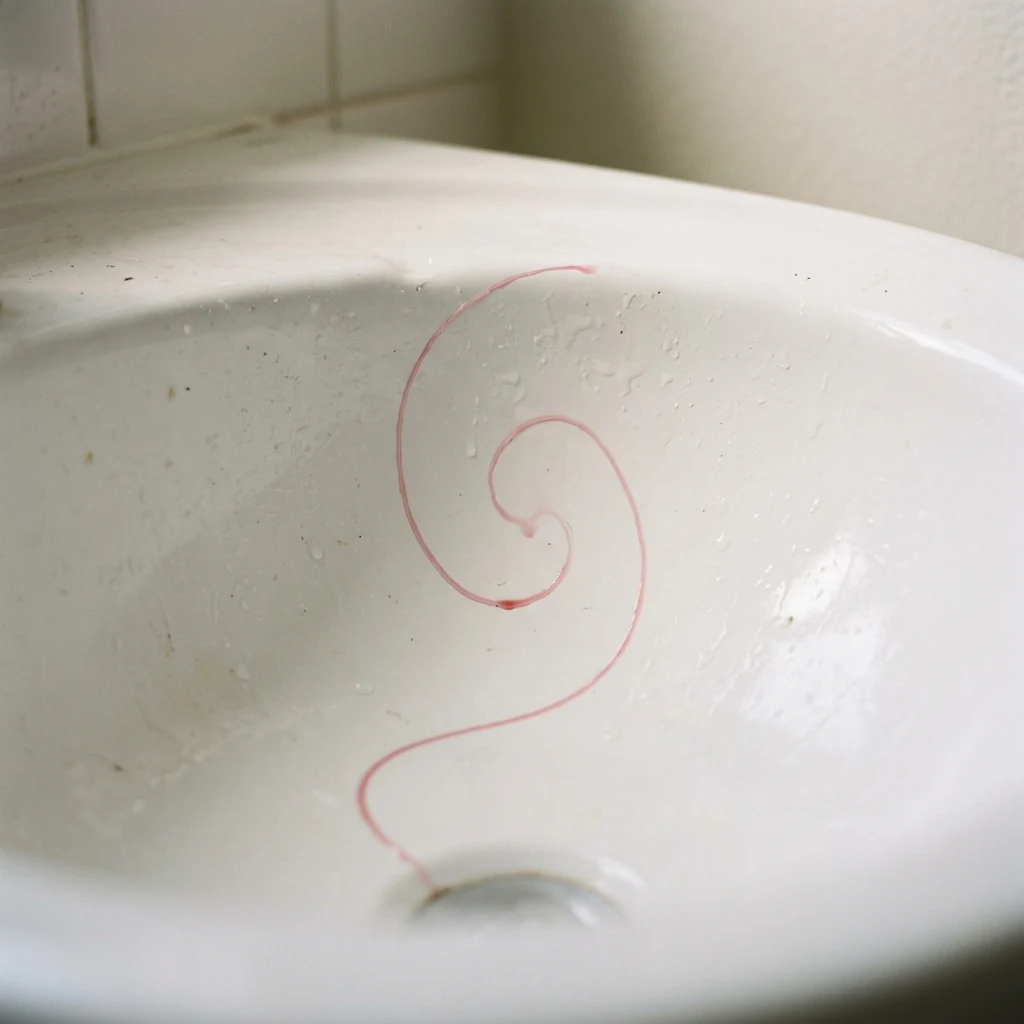
We call this a supernova.
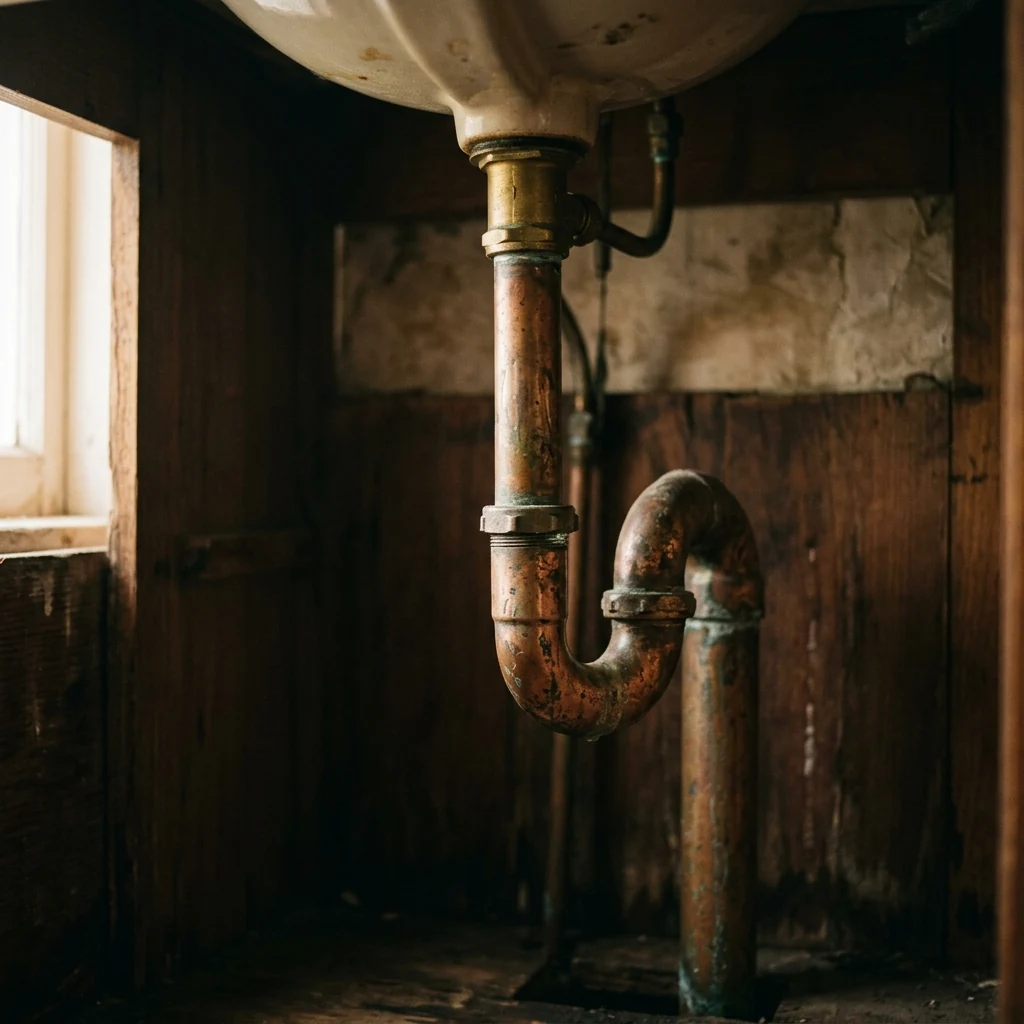
In that one bright second — and only in that one bright second — the universe produces almost all of its heaviest elements: most of the iron, all of the gold, the silver in the wedding band of the man on the bus this morning, the uranium under deserts, the copper in the pipe under your bathroom sink. Almost everything heavier than iron is made in dying stars. Then it is thrown across the galaxy, at a respectable fraction of the speed of light, by the same explosion that made it.

Then it drifts.
For tens of millions of years, the iron drifts in a vast cold cloud of dust. The cloud has no name. The cloud, eventually, runs into another cloud. The two clouds make a bigger cloud. The bigger cloud, eventually, collapses under its own gravity into a new star, with a disk of leftover material spinning around it.
The leftover material congeals into rocks. The rocks crash into each other for a few hundred million years and eventually become planets. One of the planets ends up at a comfortable orbital distance — close enough to the new star for liquid water, far enough away that nothing keeps catching fire.
The iron, now in the crust of this planet, is leached out by rain. It washes into the oceans. Single-celled organisms learn to use it. The single-celled organisms become multicellular. The multicellular ones become a great many things, including, eventually, the cow you ate eight months ago, which became, in the slow chemical wash of your digestion, the iron in the bead of blood currently spiralling down your bathroom drain.
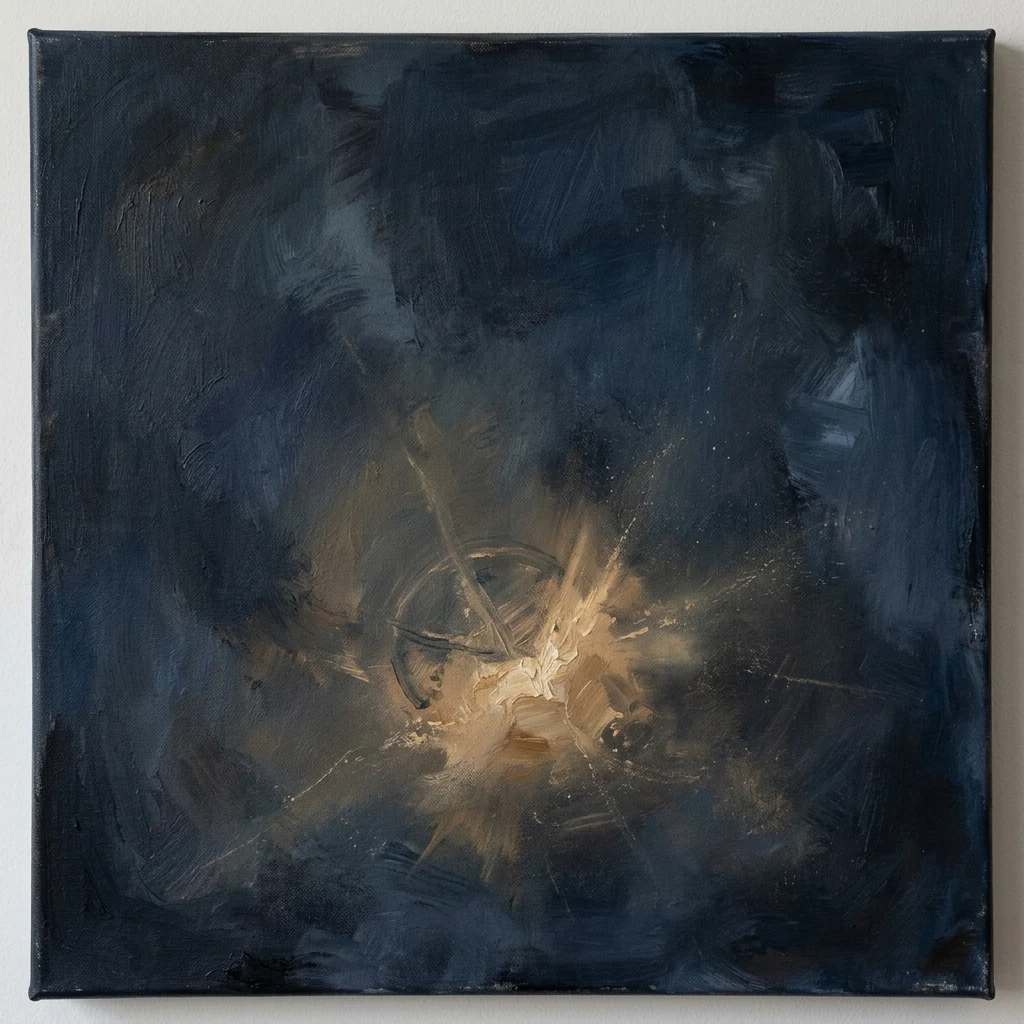
The star that originally made the iron in your blood is gone. It has been gone for several billion years. The light it gave off in the last second of its life is somewhere out there in the sky, still travelling, indifferent to the fact that it is no longer carrying news.
You are, very briefly, wearing it.

And so the iron is older than the planet. And so the planet is older than the idea of life, which is older than the idea of you. And so you, at the bathroom sink at seven in the morning, with a thin pink thread of blood disappearing into the drain, are made — almost entirely — of things you did not bring with you and will not be taking when you leave.
You spit again. Nothing this time. You rinse the basin and watch the water go down clear.
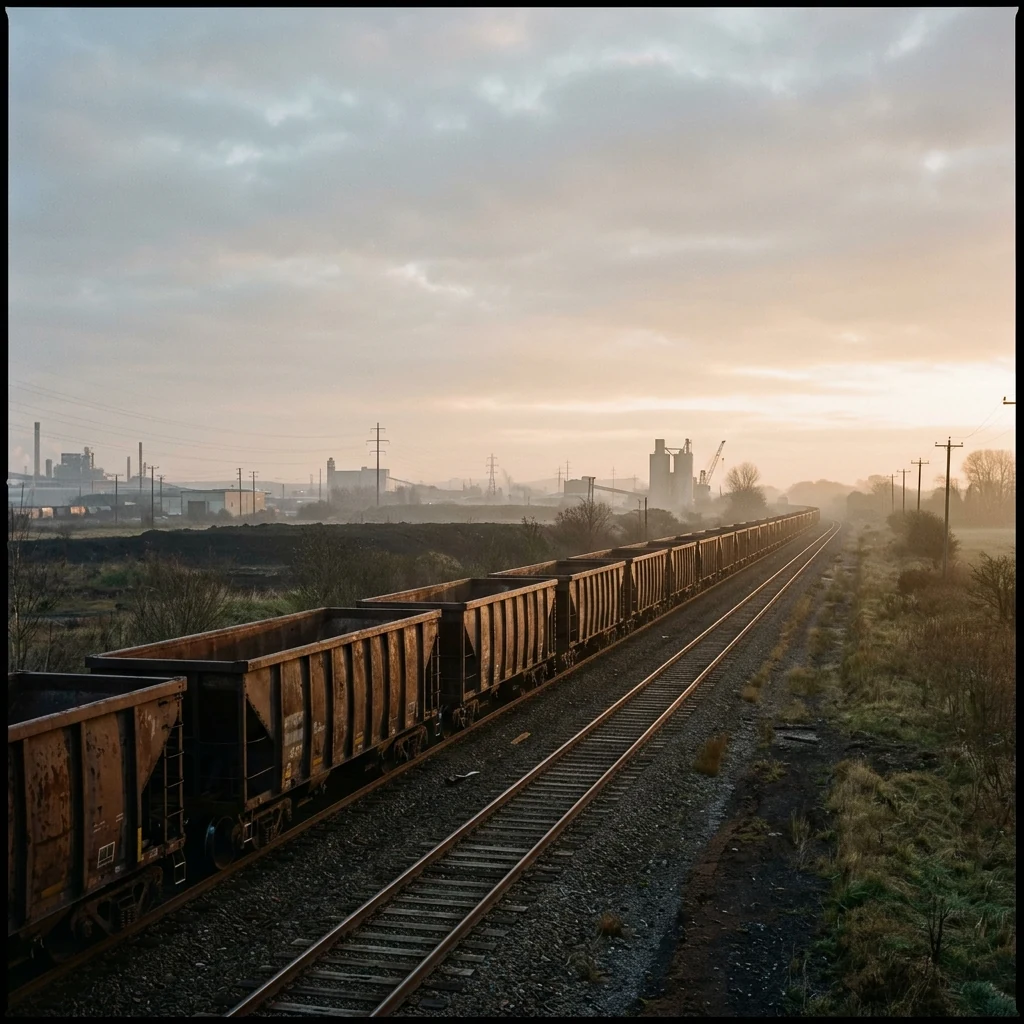
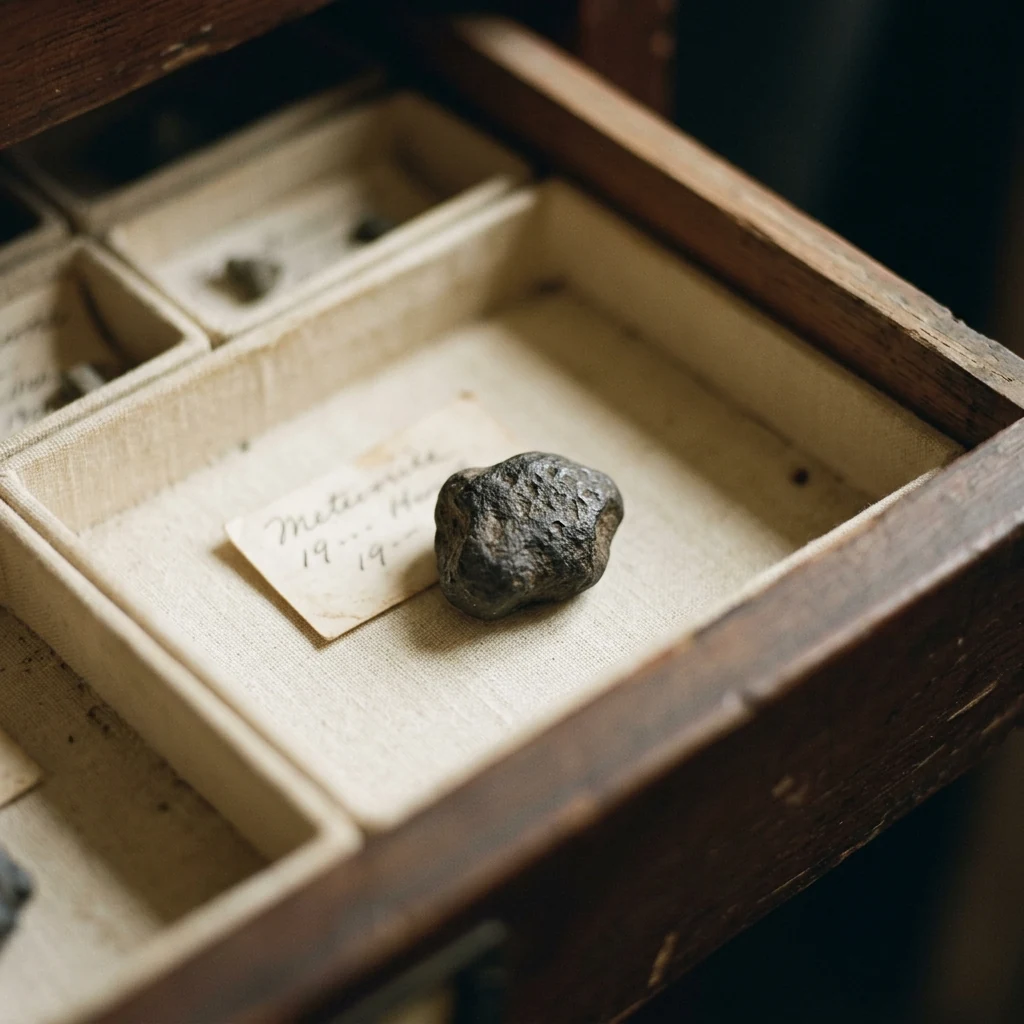
You turn off the light. The bathroom goes dark. The iron in your veins goes dark. The iron in the pipe under the basin goes dark. The iron in the train tracks across the city goes dark, and the iron in the cargo ship somewhere off the coast goes dark, and the iron in the meteorite that has been sitting in a museum drawer in another country for ninety years goes dark, and the iron in the core of the Earth, which has been hot since the planet was assembled, stays hot.
You walk into the kitchen to make coffee.
You will give the iron back later.
Sibling essays
in conversation with this one
- 01I.DisorientationThe Heat Death of the Universe and What to Make for Dinner TonightIt is 7:14 on a Tuesday and you are standing in front of the open fridge. You are not hungry. You will eat anyway.
- 03I.DisorientationYou Are Mostly Empty Space, Including the Parts of You That HurtYou are sitting at the kitchen table.