You Are Mostly Empty Space, Including the Parts of You That Hurt
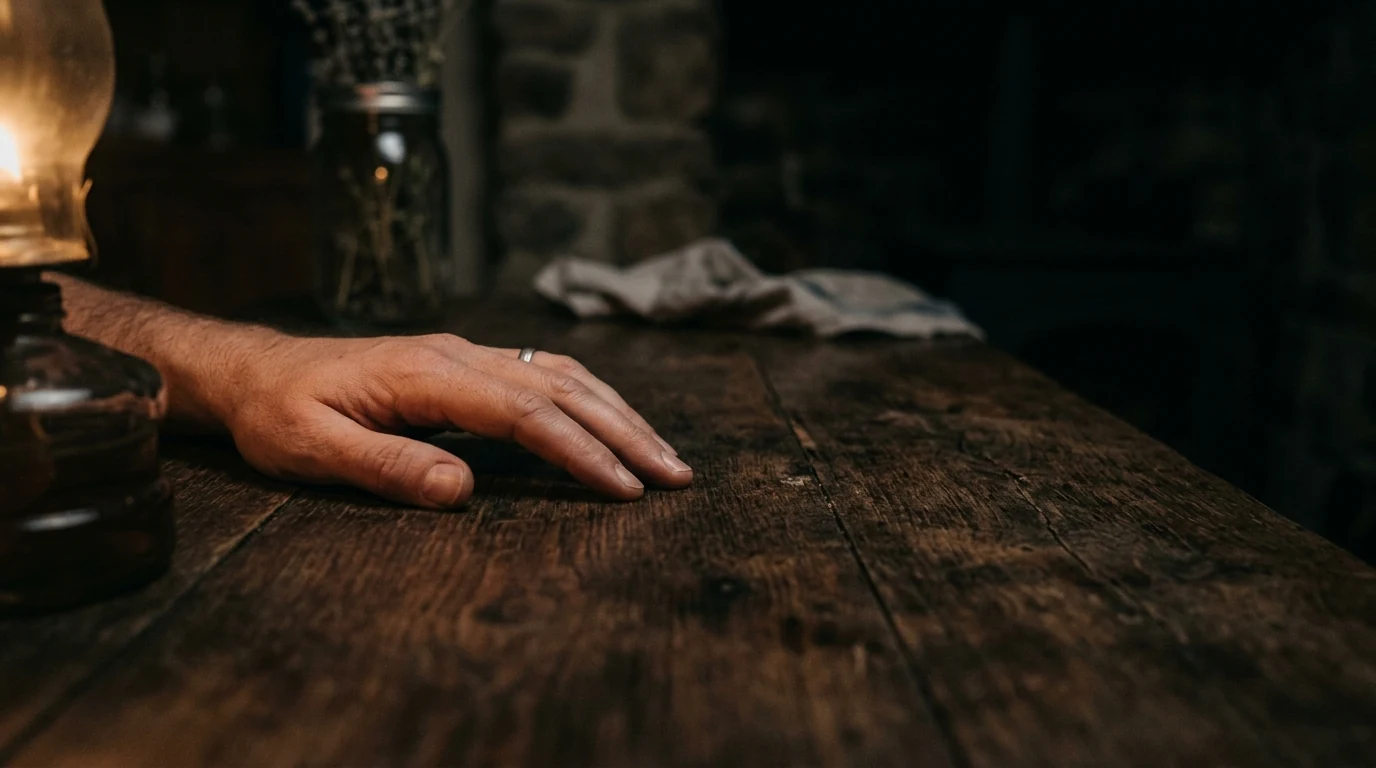
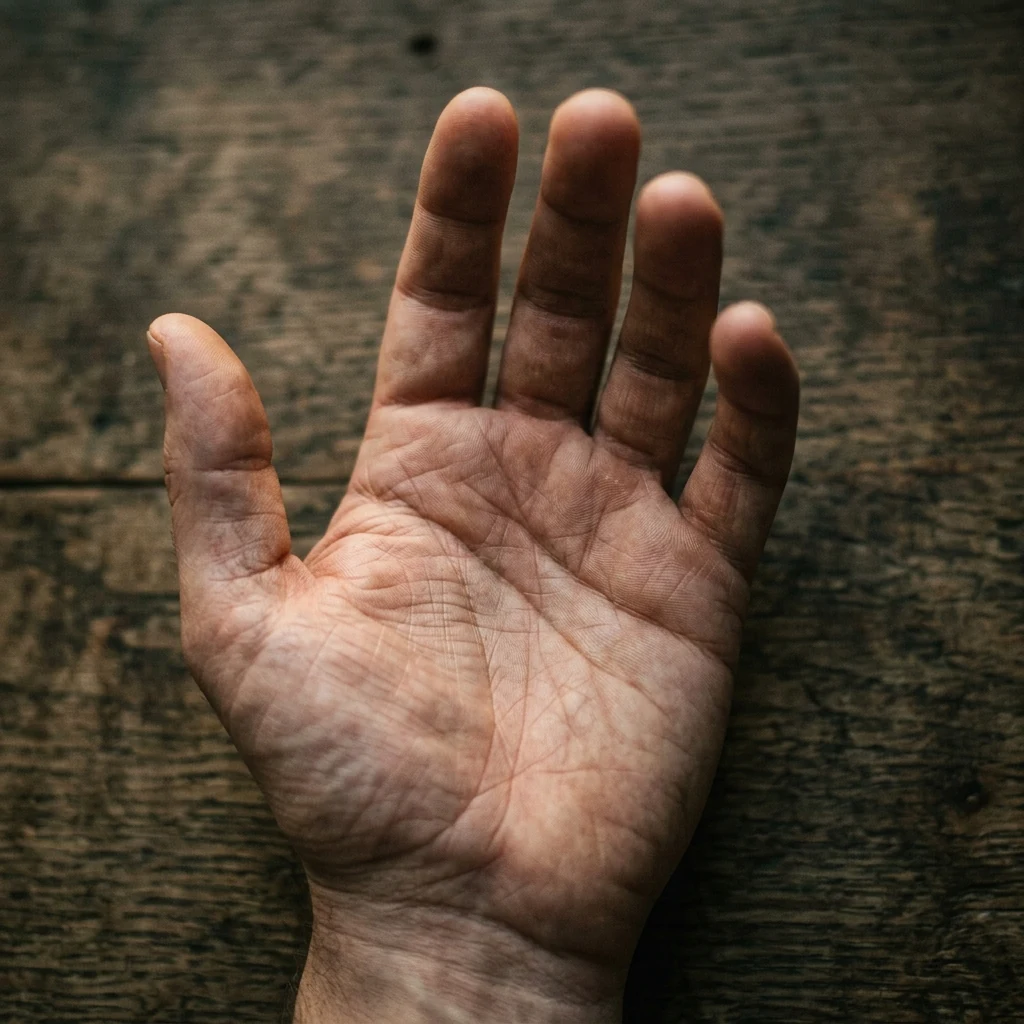
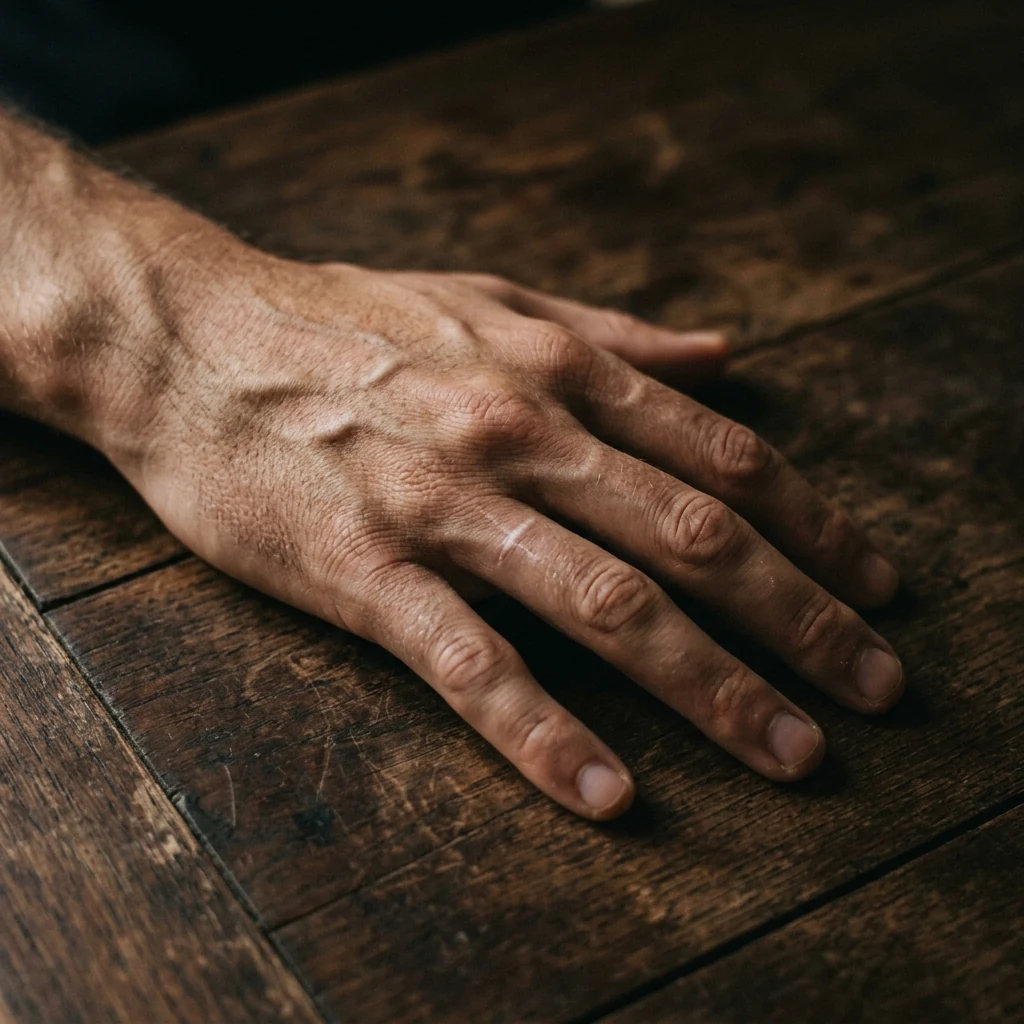
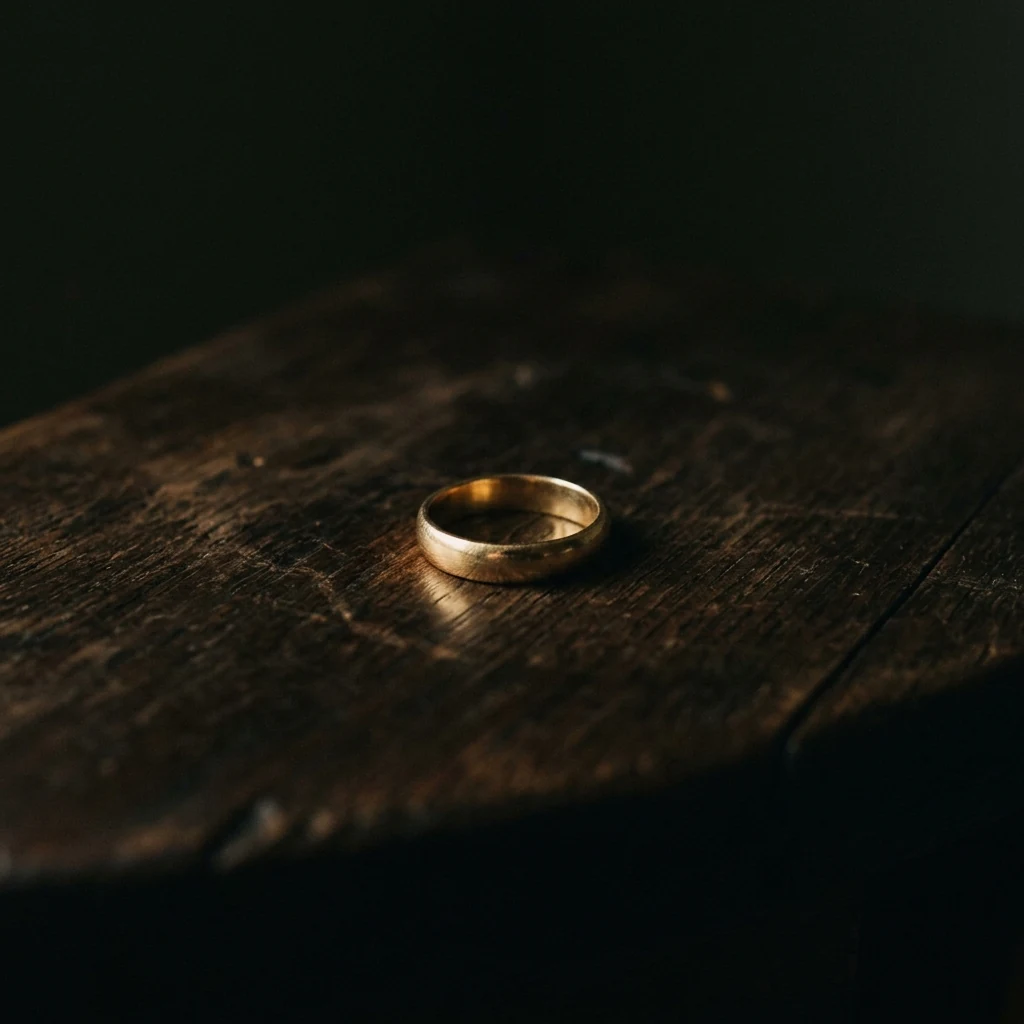
You are sitting at the kitchen table. The wood is dark, scratched, older than you are. You have spread your right hand flat on the surface of the table. You can see the knuckles, the small white scar across the second knuckle from a knife slip three years ago, the wedding band you have not worn for nine months but cannot bring yourself to put in a drawer.
The table feels solid under your hand.
The chair feels solid under you.
The floor feels solid under the chair.
The wall on your left, which you are not touching but which you know is there because everything else in the room is arranged in relation to it, feels solid the way walls are supposed to feel solid: load-bearing, unmovable, the kind of thing it would hurt your shoulder to walk into if the lights were off and you forgot it was there.
Everything in the room is solid except for the part of you that is sitting there missing somebody.
That part is empty.
You lift your hand. You look at the back of it under the light. You put it back down.
Here is a thing about atoms that you have probably heard before but which is worth saying again, slowly, because pop-science speed-runs the line and the line is, in fact, the entire point.
An atom is, almost entirely, empty space.
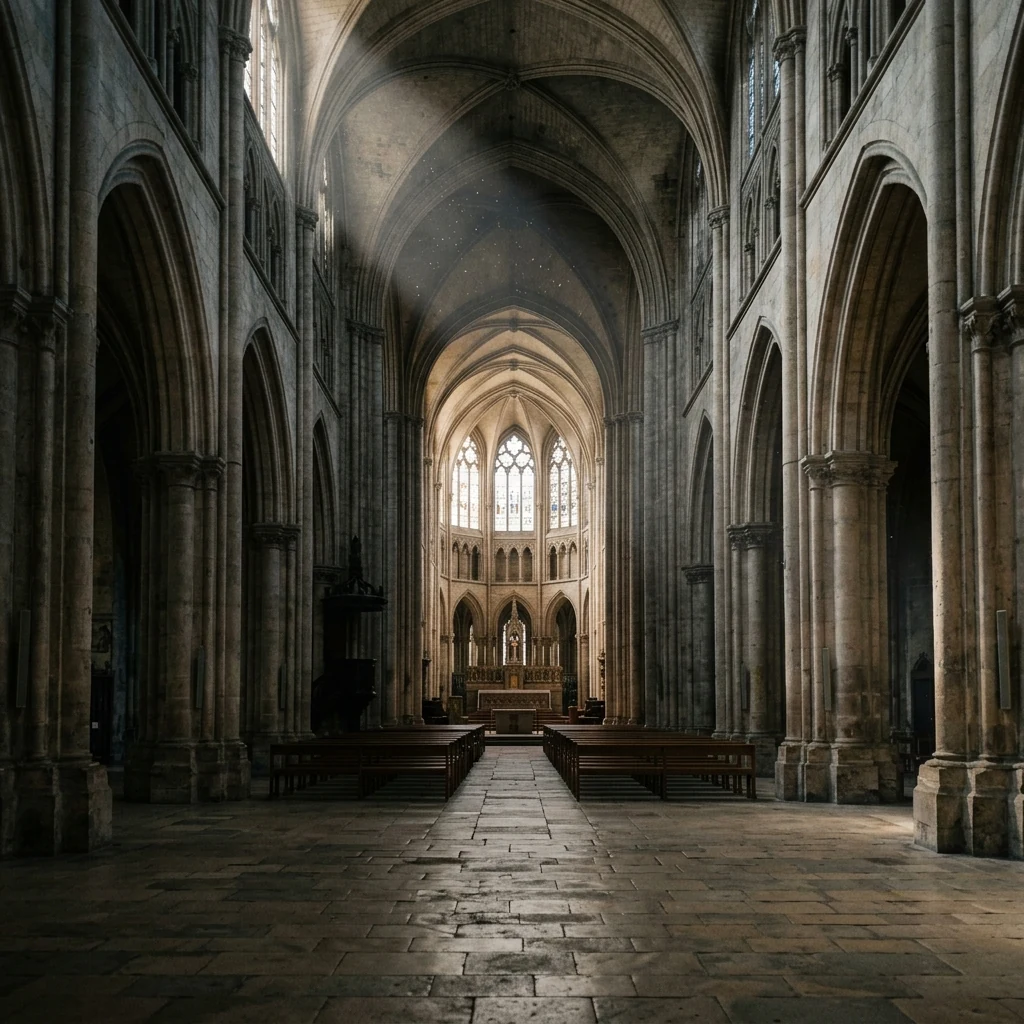
The nucleus — the dense central knot containing the protons and neutrons, the part where almost all of an atom's mass lives — is approximately one hundred thousand times smaller than the atom as a whole. If you scaled an atom up to the size of a cathedral, the nucleus would be a single fly hovering somewhere near the altar. The rest of the cathedral — every column, every pew, the air between them, the air above them, the air below the floor — would be empty, except for a thin cloud of electrons whirring around the fly so fast that, from a distance, the cloud would look almost like a wall.
That almost-like-a-wall is everything you have ever touched.
When you put your hand on the kitchen table, what is happening is this. The electron clouds at the bottom of the atoms in your palm come close enough to the electron clouds at the top of the atoms in the surface of the wood that the negative charges repel each other. The repulsion is what stops your hand from going through the wood. The atoms in your hand and the atoms in the wood never, at any point, actually touch. Touching, in the way you mean it, is not a thing atoms do.
You have never touched anything in your life.
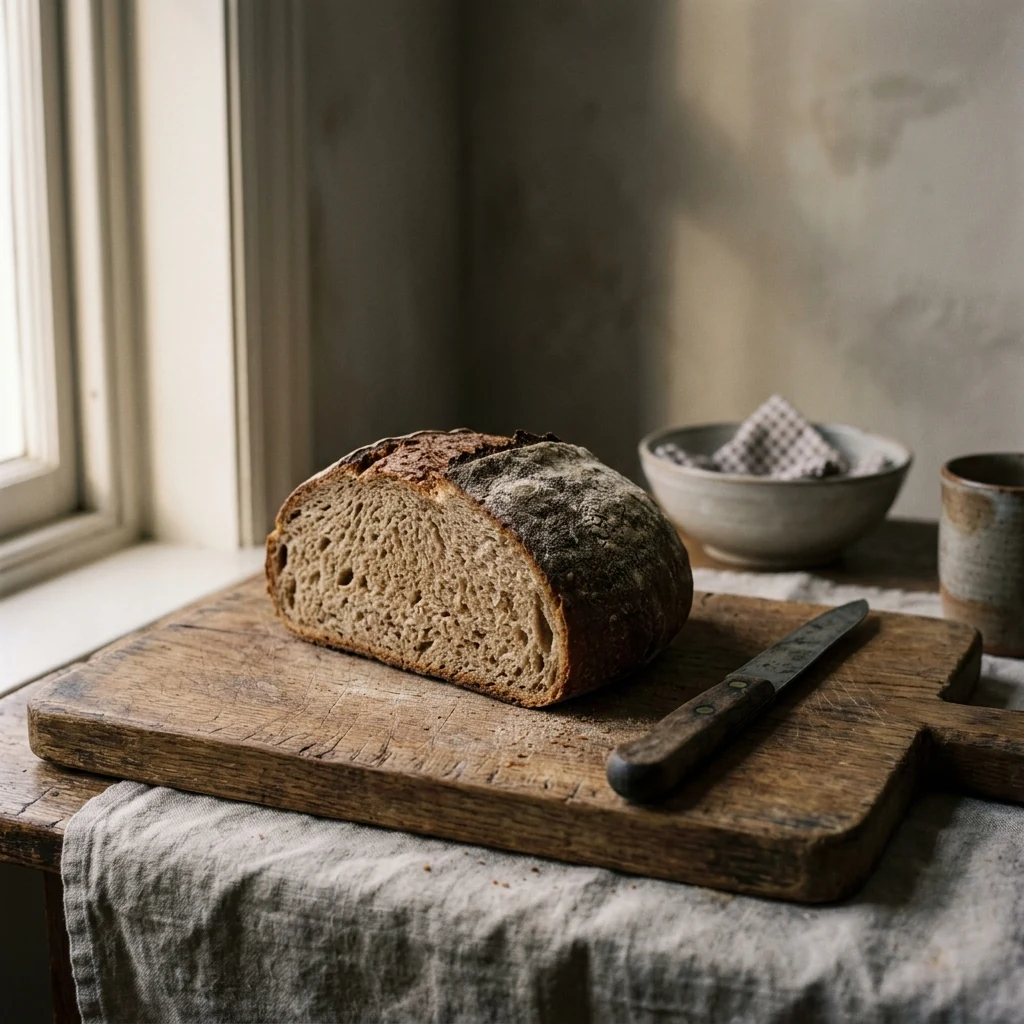
You have not touched the kitchen table. You have not touched the chair. You have not touched the floor. You have not touched the cup of coffee in front of you, the bread on the cutting board, the dog who is currently asleep in the corner with its head on your foot.
You have not touched anyone.

Not your mother, when you were a baby. Not the friend who hugged you at the airport when you went away to school. Not the person whose ring you stopped wearing nine months ago. The electrons in your hands and in their hands repelled each other across distances you cannot perceive, and what felt like holding was, at the atomic level, the closest thing to holding that two clouds of repulsion can do.
This is true of everything.
Your bones, which are the hardest parts of you, are mostly empty space. Your teeth are mostly empty space. The wall the bone runs into when you have a bad fall — also mostly empty space. The pain that arrives a half-second later, in the nervous tissue, in the wet electrical signal travelling up the spine — that pain is felt by a system made of atoms that are, themselves, almost entirely empty.
Pain is felt by the empty space.

Heartbreak is felt by the empty space.
Grief — the cold thing under the breastbone that wakes you up at 4am for several months and then for several years and then forever in smaller doses — that cold thing is sitting inside a chest cavity made of atoms made of mostly nothing.

The ache is in the nothing. The ache is the nothing, arranged in a certain pattern, noticing itself.
And so when somebody you loved is gone, what you are missing was already, technically, the missing — the empty space inside the cloud of repulsion, the not-quite-touch that felt, for a few years or a few decades, like the most solid thing in your life. And so you, at the kitchen table, with your palm flat against a surface that you have never, not once, made contact with, are mostly nothing, sitting in a room made mostly of nothing, still trying to hold onto the nothing that left.
You lift your hand off the table.
You expect, for half a second, to feel an imprint — the way you would expect to feel an imprint of something you had been pressing on for a long time. There is no imprint. There never was. The wood does not remember you. The wood was never touched.
You turn your palm over and look at it. Skin, lines, a faint flush of red where the blood is closer to the surface.
You set the hand back down.
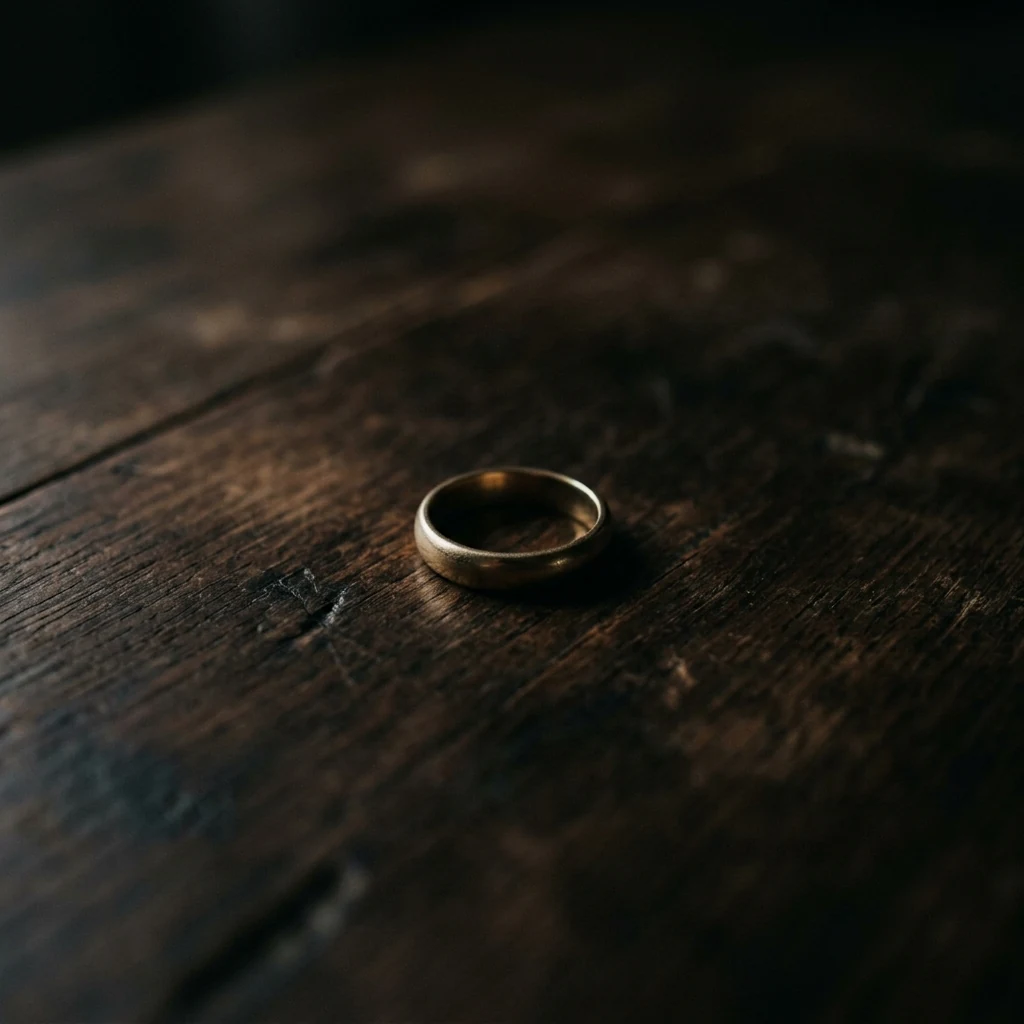
The dog shifts in its sleep. Somewhere in the building above you, a faucet is running. The wedding band on the table catches a small piece of the kitchen light, and the part of the band that catches the light is, like everything else, mostly nothing, and the nothing, briefly, is gold.
Sibling essays
in conversation with this one
- 01I.DisorientationThe Heat Death of the Universe and What to Make for Dinner TonightIt is 7:14 on a Tuesday and you are standing in front of the open fridge. You are not hungry. You will eat anyway.
- 02I.DisorientationEvery Atom in Your Body Was Forged in a Star That No Longer ExistsIt is morning, and you are at the bathroom sink.