
The Strange Grammar of Grief
You are at a friend's small dinner. Six people. There's a candle, and the candle is doing what candles do, which is making everyone look slightly better than they actually are. You have not seen most of these people since spring. The wine is open. The conversation is the warm meandering kind that doesn't require anyone to pay full attention.
Anna asks you, between two unrelated things, where your father is.

She means: where is he tonight, that he is not at things like this anymore. She means: you used to bring him to these. The question is small, and you have answered small questions about your father a thousand times.
You start to say "he's" — and then your voice catches in the half-second between the contraction and the rest of the sentence, the way a stylus catches in a tiny scratch on a vinyl record, and you say, instead, "he was."

The candle flickers. Anna does not correct you. The dinner goes on without anyone deciding that it should.
You eat. You drink. You smile at the things that are funny. Somewhere — not the front of your head, somewhere behind it — a small grammatical event has occurred, and you are too polite, just now, to inspect it.


Languages do different things with time.
English handles it through verbs. We inflect, we conjugate, we mark every verb form with a small stamp telling you which side of now the action happens on. She reads is the present. She read is the past. She will read is the future. She has read is the present perfect — a strange chimera of past action with present consequence — and she had read is the past perfect, action set even further back. The English-speaker's brain runs a constant background process to pick the right stamp every single time. We do not notice it because we have done it since the cot.
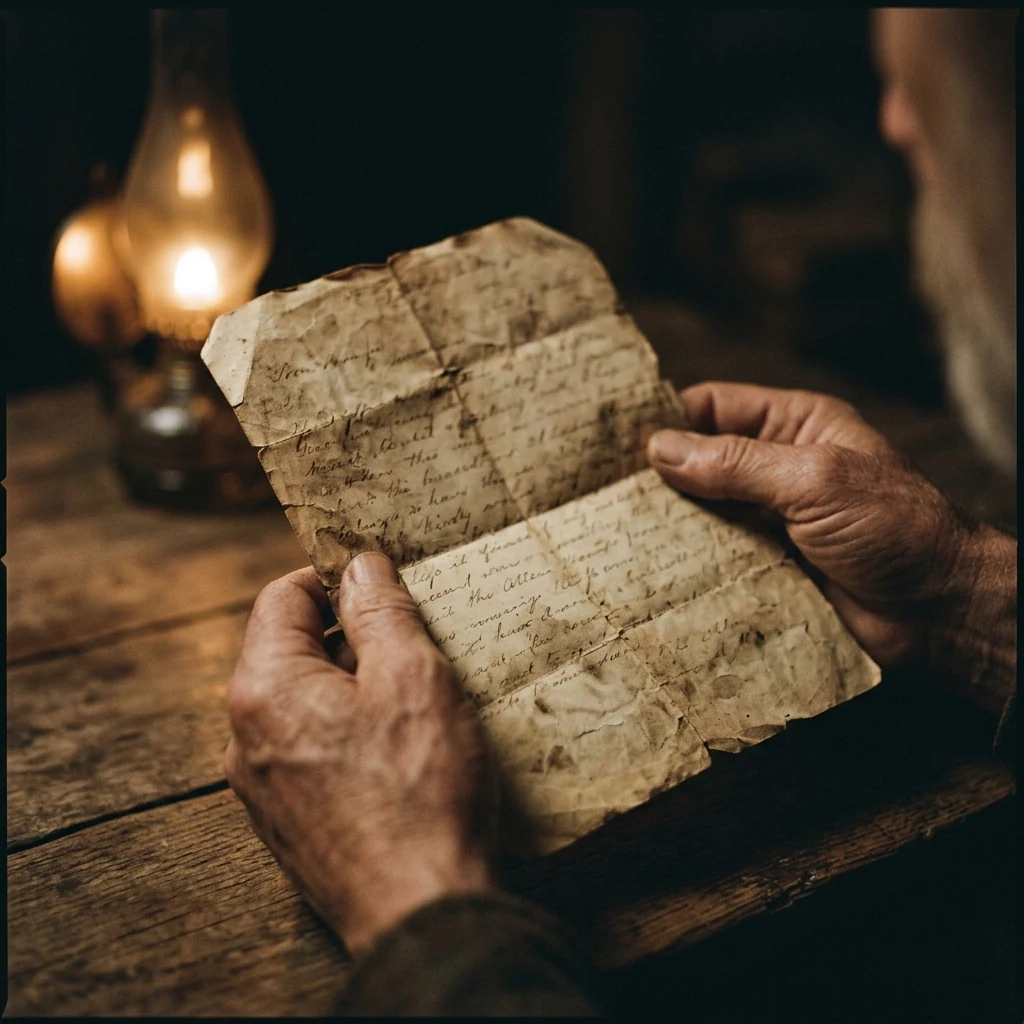
Vietnamese — and Mandarin, and Indonesian, and a hundred others — does not do this. The verb itself does not change. Ăn is ăn. To indicate time, you slip a small word in: đã ăn for completed action, đang ăn for ongoing, sẽ ăn for future. The verb stays clean. The tense floats around it, optional, dropped whenever context makes it obvious.
These are not the same way of seeing the world. The English-speaker is forced to commit, sentence by sentence, to a position on the timeline. The Vietnamese-speaker is allowed to leave it open, to point only when pointing is necessary. Linguists fight about whether this difference actually shapes how the speakers think about time. The answer, like most answers, is probably a little, but not as much as you would hope.

What both languages share — what every language seems to share — is a quiet psychological catastrophe baked into the way they handle people who have died.
Because in English you have to choose, every time. He likes tea. He liked tea. You cannot leave it. The stamp must be picked.

And in Vietnamese, even though you don't have to mark the verb, you have to choose between calling him bố (Dad, present-tense, still here) and người đã khuất (the person who has gone, hauntingly past) and a hundred small registers in between. The choice is the same choice. It is just dressed in different clothes.

You begin, when someone dies, by saying the present-tense words. He likes. He keeps. He always says. These come out of you for weeks. You do not produce them on purpose. They are the default, the well-worn track. Your tongue says likes before your brain can intervene.

But there are these small social moments — you, at a dinner, asked a small question — where the brain has time to intervene, and intervenes. The likes gets caught at the back of the throat. The liked arrives, slightly late, slightly weighted. The hesitation between them is visible to anyone paying attention. He — was. He — used to. You can see the hesitation in the face of the speaker. People are gentle about it. They give you a half-second of nothing and then move on.
The hesitation lasts longer than you would expect. Months. Sometimes years.
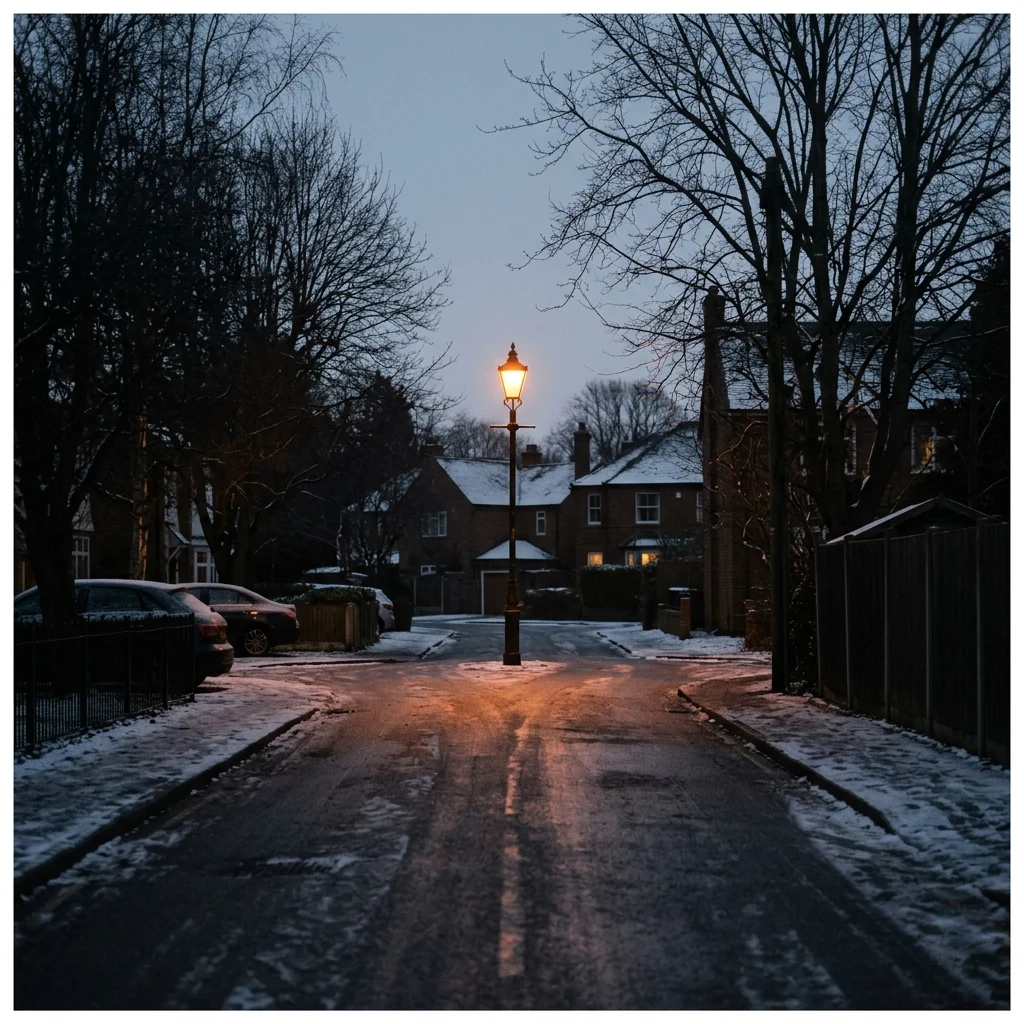
Then, one day, the hesitation goes.
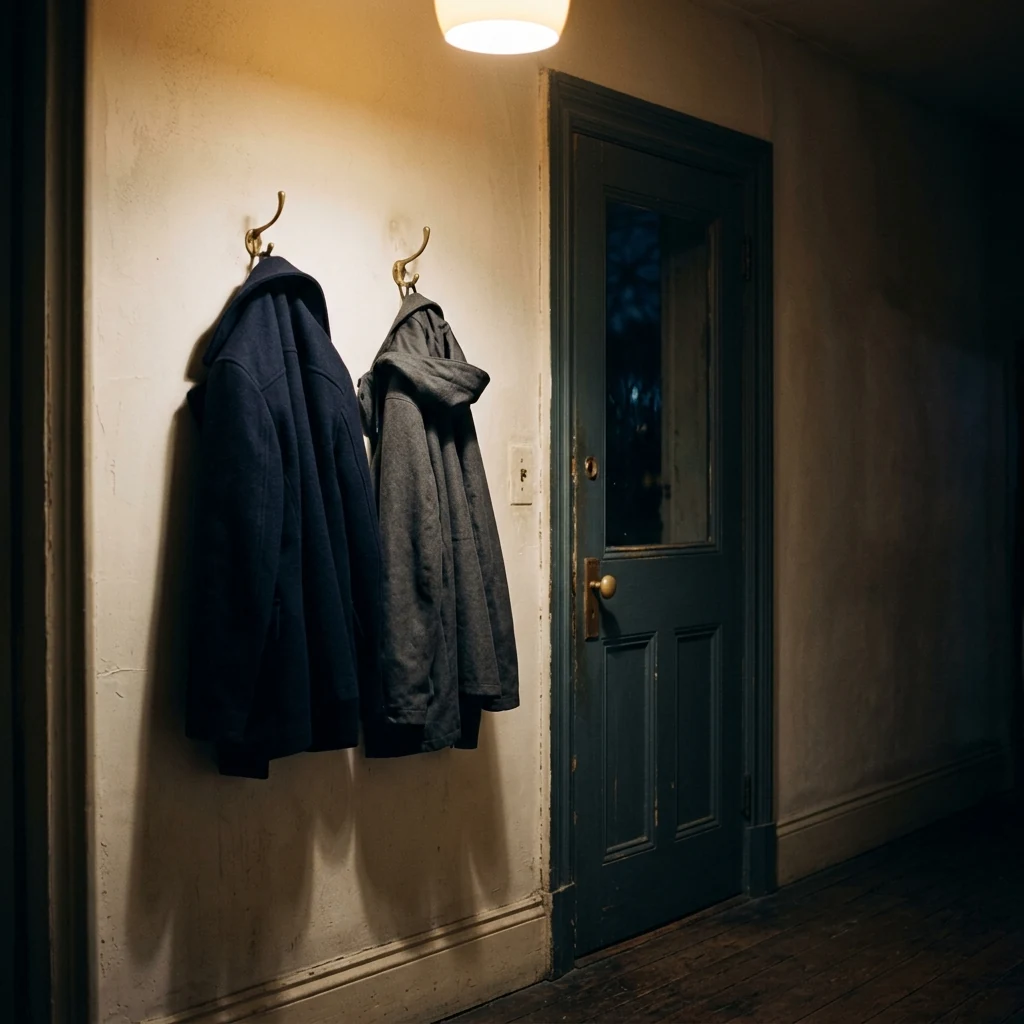
You do not notice the day this happens. You do not celebrate it. You do not even know it has happened until weeks later, when somebody at a dinner table asks about the dead person and you say he liked tea with no catch at all. He liked tea. It comes out as smoothly as he liked Wales, or he liked the weather. As if you had been saying it forever. As if there had never been a present-tense version of him.
That little catch in the throat, all those months — that was him, in a way. That was the last grammatical residue of his being a continuing thing. When it goes, something else goes with it, something it would be melodramatic to name.

And so grief is, in part, a slow grammatical migration. A specific person disappears from your sentences one verb form at a time. Is becomes was becomes used to becomes would have. The migration is unconscious; you cannot speed it up or slow it down or argue with it. And so you, at the small dinner with the candle going, saying he was with a stutter — are watching it happen in real time, the only language-changing event that anyone will ever attend.

The dinner ends. People leave one by one. You stand by the door longer than is necessary, because somebody is showing somebody else photos on their phone, and it would be rude to push past. Eventually it is just you and your coat and the cold air on the stairs.

You walk home. The streets are empty in the way they are at midnight on a weekday — a few taxis, a fox, the smell of a kebab shop closing down. The streetlight at the corner of your street is the same orange it was last winter, and the winter before, and the winter before that.

You think: he would have liked that colour.
Past conditional. Two tenses past from where he was, when he was. The sentence comes out of you without effort, the way good night comes out of you, the way I'll have the same comes out of you.

You keep walking. You do not catch yourself this time.
Tomorrow you will catch yourself again, on something else. The grammar moves at its own pace. It does not consult you.

You will arrive eventually. Most people do.