On Being Annihilated by a Smell for Four Seconds
Someone in the next room is frying onions. You are at a friend's house, or your in-laws' house, or a holiday rental, or a small apartment that isn't yours, and someone you don't know very well is in the kitchen with the door half open, and the smell drifts in through the gap. It is the smell of onions in a hot pan with butter or with oil — nothing extraordinary, the most ordinary smell a kitchen can make. You look up from whatever you were reading. The smell lands in your nose like a hand on your shoulder and says: you have been here before.
For four seconds, you are not where you are.
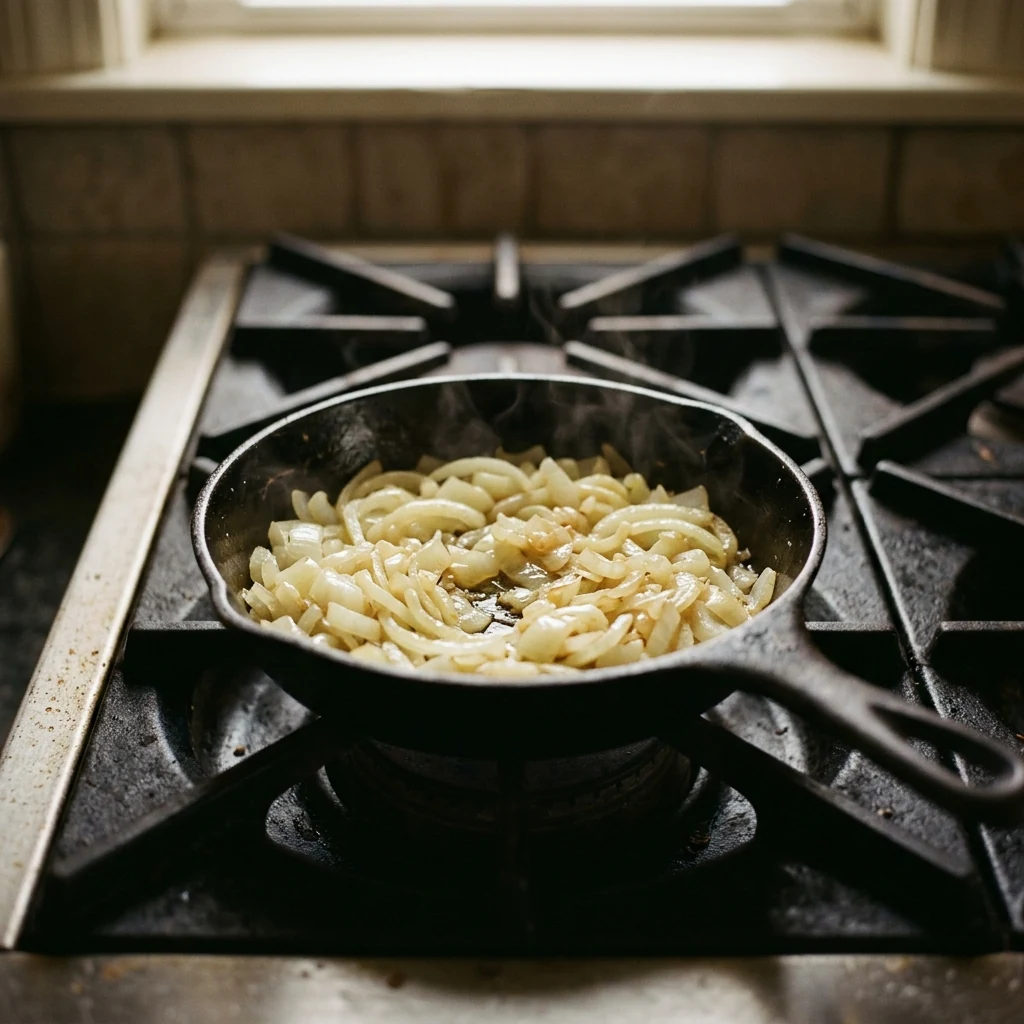
You are seven years old at a different kitchen table, a kitchen that does not exist any more, a chair you have not sat in for thirty years, a window with a tree behind it that has been cut down, and someone you loved who is no longer alive is moving around at the stove with their back to you. You can hear them. You can almost see them. You can almost smell the soap they used. The four seconds are not a memory. The four seconds are being there.
Then the four seconds end. The friend's mother — or your sister-in-law, or whoever is in the kitchen — calls something out, and you blink, and you are back in the room you were in, in the body you have now, holding the book or the phone or the cup you had been holding before. The smell is still drifting in. The smell is the same. But the kitchen is here.

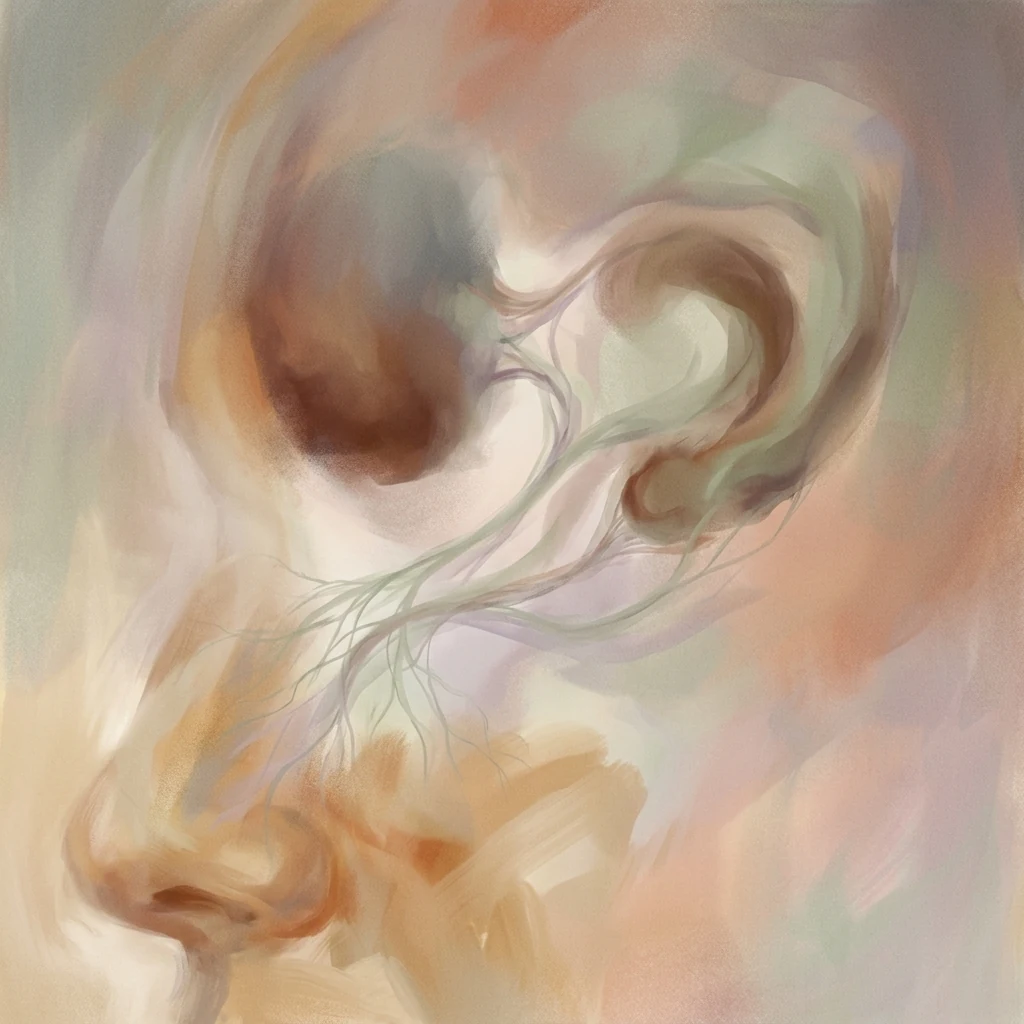
Your nose is the only sense that does this. Smell is the only one of the five that bypasses the thalamus — the brain's switchboard for everything else, the hall outside the throne room where vision and sound and touch wait politely to be processed. Smell does not wait. Smell goes through a small bundle of nerves at the top of your nasal cavity, the olfactory bulb, and from there straight into the amygdala and the hippocampus — straight into where emotion and memory live, before the part of the brain that thinks even knows what has arrived.
This is why a smell can flatten you in a way a photograph cannot. A photograph asks you to remember. A smell does not ask. A smell delivers you.

There is a writer in France who built almost an entire book around this — three thousand pages started by a small cake dipped in tea — but he did not invent the experience. The experience is a hundred million years old. The pathway in your nose is older than the part of you that can read. Long before you had a name or a story or a sense of being a self, your ancestors used smell to know what was food and what was rot and what was kin. The shortcut from nose to memory was built before language. Your skull preserves it.

So when you smell the frying onions in the next room and you are, for four seconds, seven years old, you are not remembering. You are using a part of your brain so old it does not care about time. It does not know that thirty years have passed. It only knows that the molecules in the air are the same molecules, and the molecules say you have been here, and that is enough.

And so the onions in the pan in the next room, and so the smell drifting through the half-open door, and so you, sitting in the borrowed room in the borrowed chair at thirty-eight, are also seven years old for four seconds at a kitchen table that no longer exists, with someone who is gone, who is, somehow, still moving around behind you at the stove.
Then the four seconds end.

You go back to the book you were reading. You do not say anything. The person in the kitchen does not know what just happened. You are not sure anything just happened. The smell fades a little. The smell stays a little. You read the same sentence three times. You drink the cup of tea that is in front of you. The kitchen is in the next room. The kitchen is also thirty years away.
You finish the chapter. You close the book.
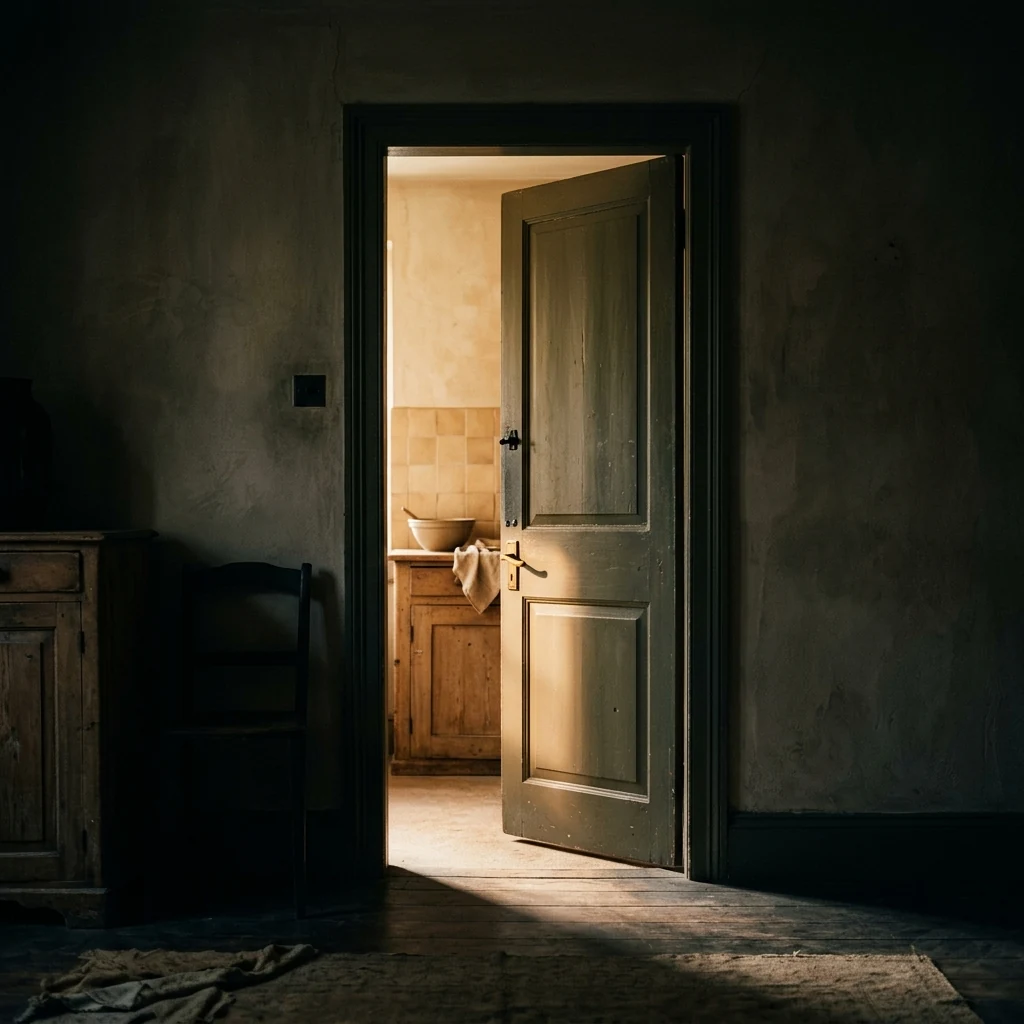
The body keeps the door open, just in case.