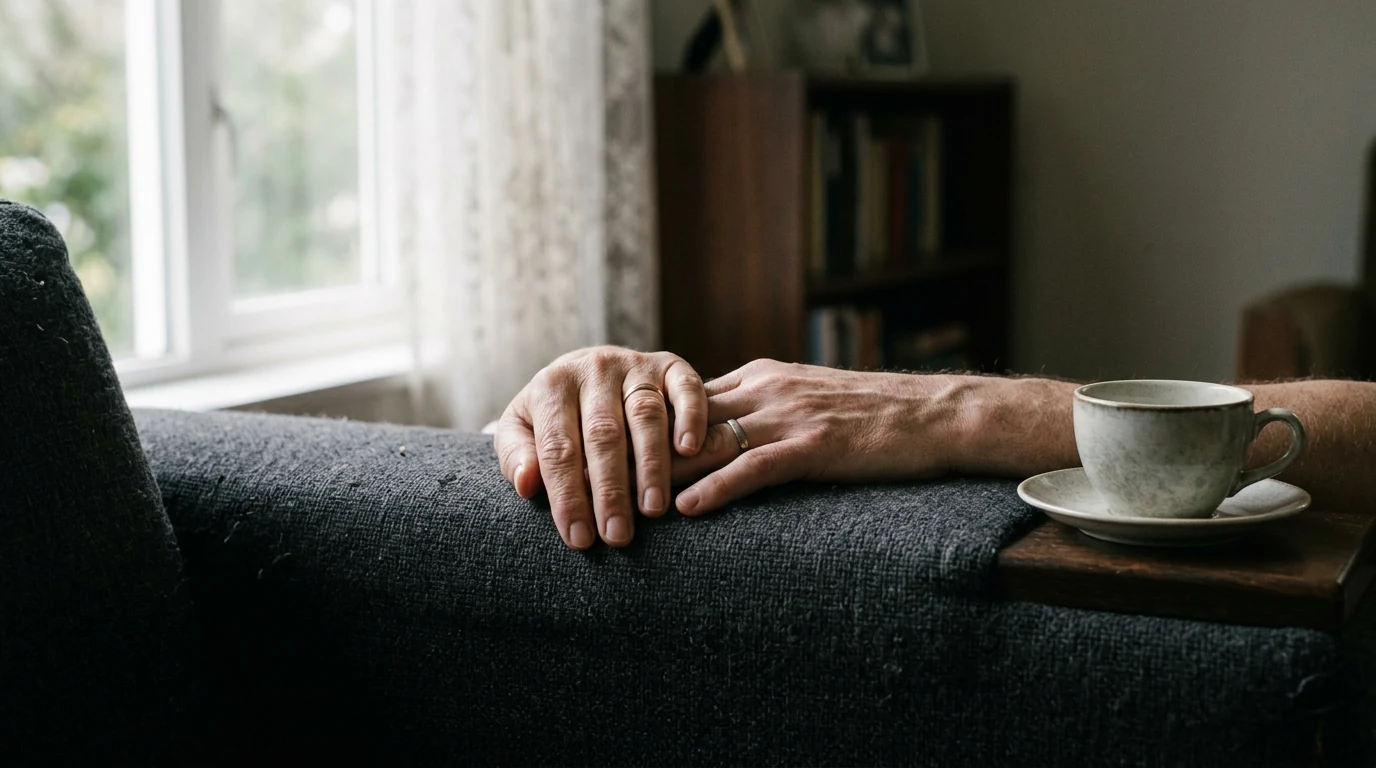
Why Touch Matters More Than Language
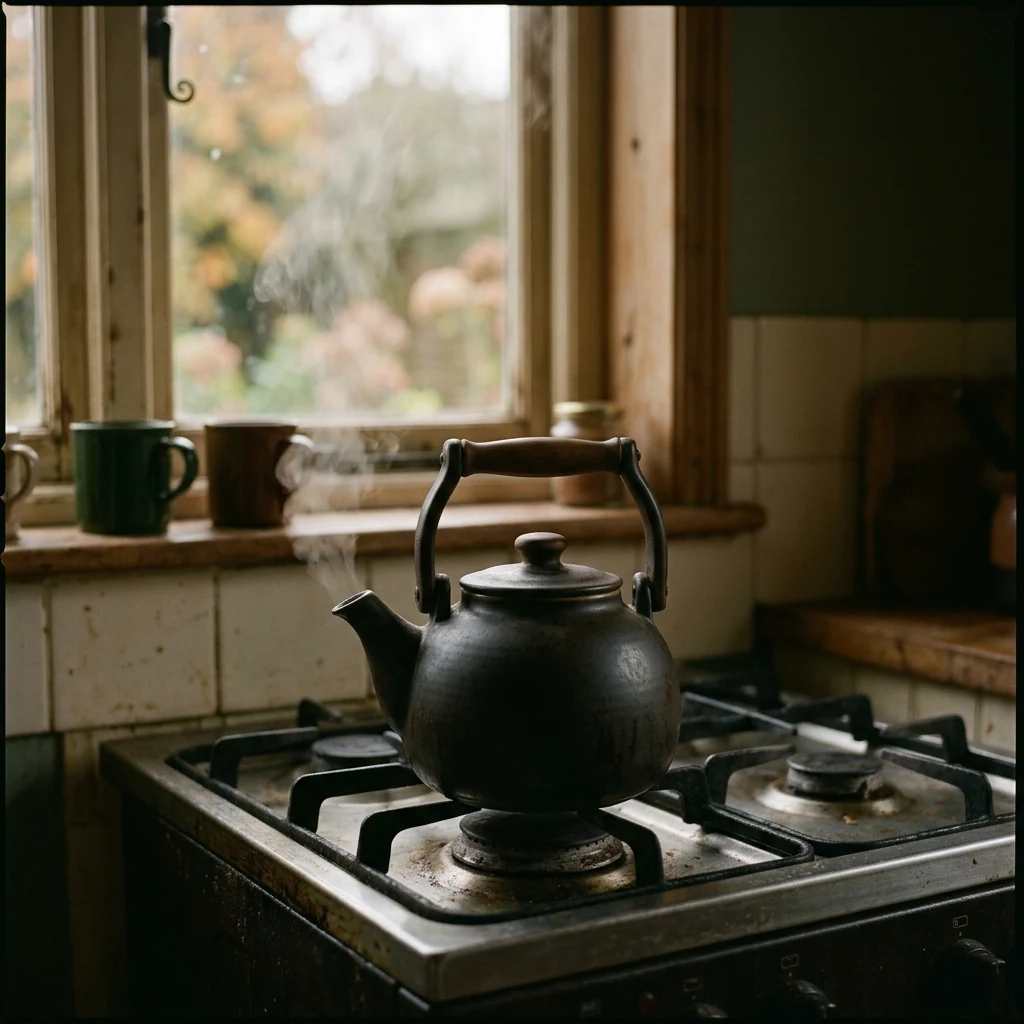
A friend's mother has just died. You are sitting with the friend on her sofa. The visitors have gone home. The kettle has been put on twice already. You do not know what to say, and you have not said anything in a long time.
After a while you put your hand, palm-down, on her knee.
She does not move it. You leave it there.
In the periphery, the room is doing the small post-funeral things rooms do. A coat is hung on the wrong hook. A glass of water on the side table has stopped having ice in it. A neighbour's voice is murmuring something into the answer-phone, audible but not parsable. None of this is happening to either of you. You are both somewhere else, very specifically, together.
Your hand stays.
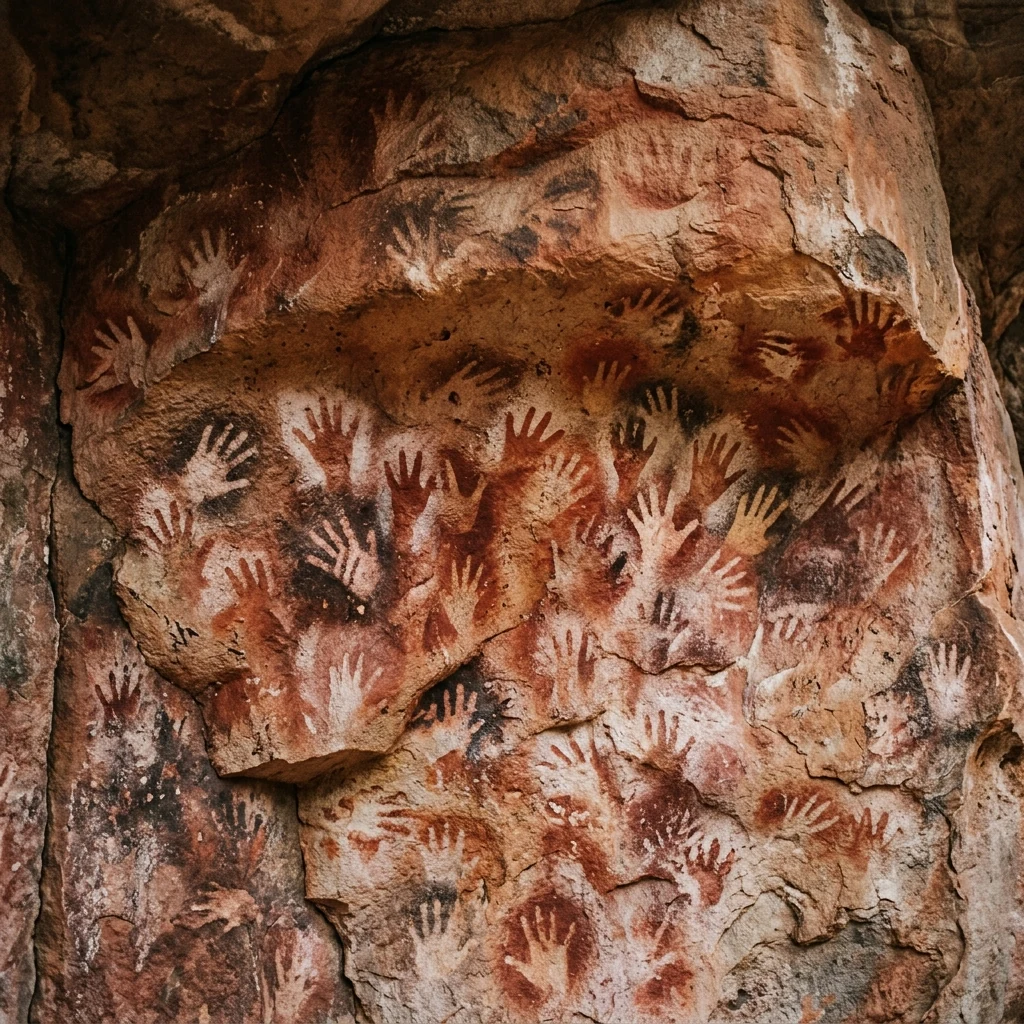
Language is, in the species-history scale, brand new.
The earliest evidence for spoken language is somewhere between seventy and a hundred thousand years ago, depending on which archaeologist you ask and which neural-anatomical proxy you let them count. Writing is younger — five or six thousand years, the first known scripts dragged out of Mesopotamian clay tablets and Egyptian limestone. Anatomically modern humans have been on Earth for roughly three hundred thousand years, and the unbroken chain of tactile, breathing animals that produced us reaches back hundreds of millions of years before that. The mammals that became us were touching each other before they were anything you could recognise.
Touch is the oldest communication system the body has.
It develops first in the embryo. The somatosensory system — the network of receptors and pathways that lets you feel — is functional weeks before the eyes can see or the ears can hear. The very first thing a developing human being knows is contact. It is, for a long time, all it knows.
Skin is the largest organ. Over a square metre of it on an adult. We are organisms designed primarily to be in contact with other organisms. We do not notice this because, like all primary equipment, it works in the background until it fails.
What this means in practice — what Harlow's wire-mother monkeys, and the long, ugly studies of the Romanian orphanage cohorts, taught us — is that touch is not optional infrastructure. Infants denied it do not grow, even when otherwise fed. Children denied it cannot regulate themselves; their pulses do not settle, their cortisol does not come down. Adults denied it, eventually, become less adult. The body's chemistry of comfort is mostly the chemistry of touch — oxytocin released into the bloodstream on skin contact, the cortisol drop after being held, the slow regulation of the pulse on the friend's knee under your palm.
We have language for love. We also have touch for love. They do not say the same thing. They were never meant to.
I am sorry for your loss is a sentence. It is a perfectly good sentence; it does what sentences do. A hand on a shoulder is a different sentence. It is older. It is processed lower in the brain — through the somatosensory cortex and the insula, not through Broca's and Wernicke's areas — and it is, for reasons that are partly biological and partly statistical, much harder to fake.
When you put a hand on someone's shoulder at a wake, you are not deciding to say something kind. The decision is older than the deciding part of your brain. Your hand was going there before you knew it was going there. The arm took the orders from a system that has been issuing them since long before there were tongues to refuse them with.
When the words fail — and the words fail often, in the rooms that matter — the body has not forgotten what to do.
And so when language runs out — at funerals, at hospitals, in bed with someone whose father just died — what is left is the older system. The system that was here before there were sentences. And so you, on the sofa, with your hand on a friend's knee, not speaking — are forming the most ancient sentence the species knows how to make.
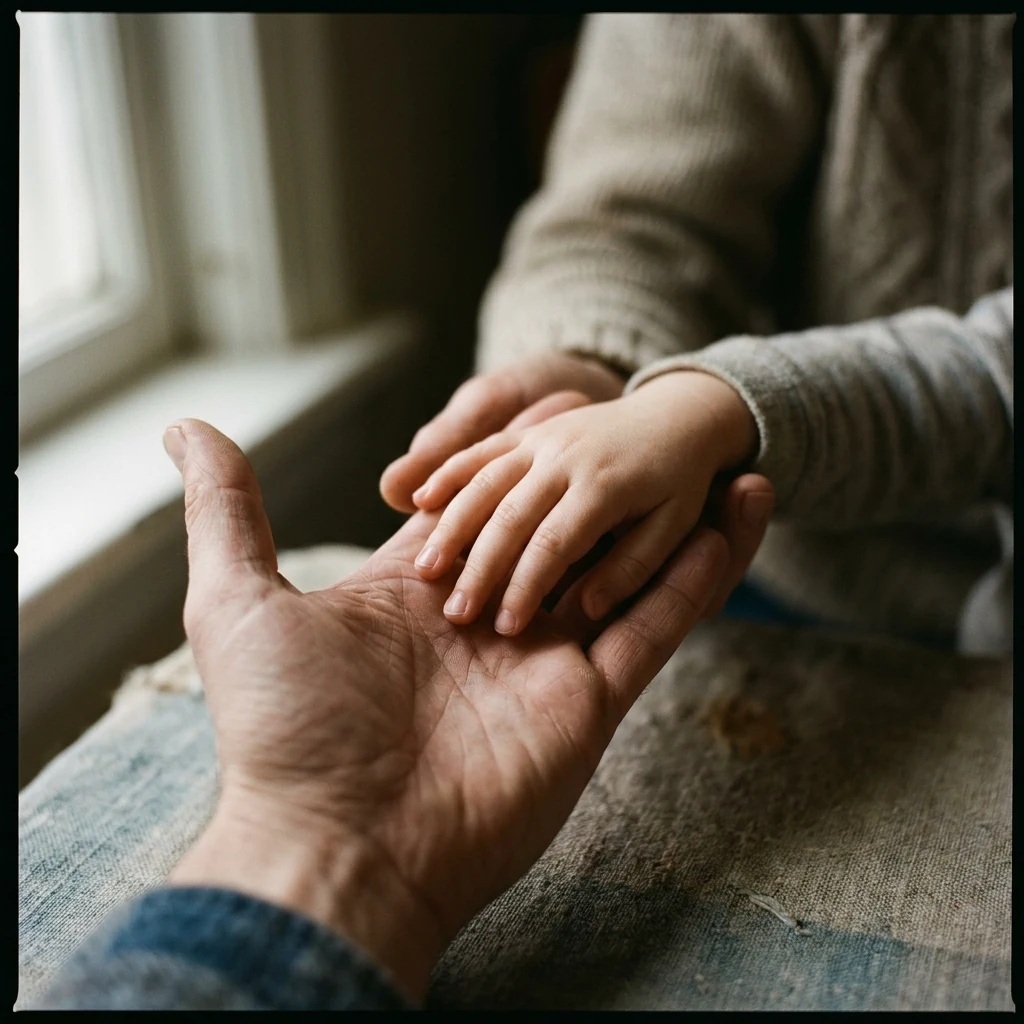
She says something eventually. It is not a coherent thing. You do not move your hand. A while later she gets up to make tea, and your hand falls away. The kettle whistles. She comes back. You drink tea together. At some point your hand goes back — wrist, shoulder, knee. Words happen. The words are not load-bearing. The old system carries the room.
You leave eventually. On the way out, you hug her. You hold it longer than you usually allow. You can feel her breathing against your collarbone. She lets you go first.
In the car, on the way home, you do not put music on.