You Will Be Forgotten and That's the Second Nicest Thing
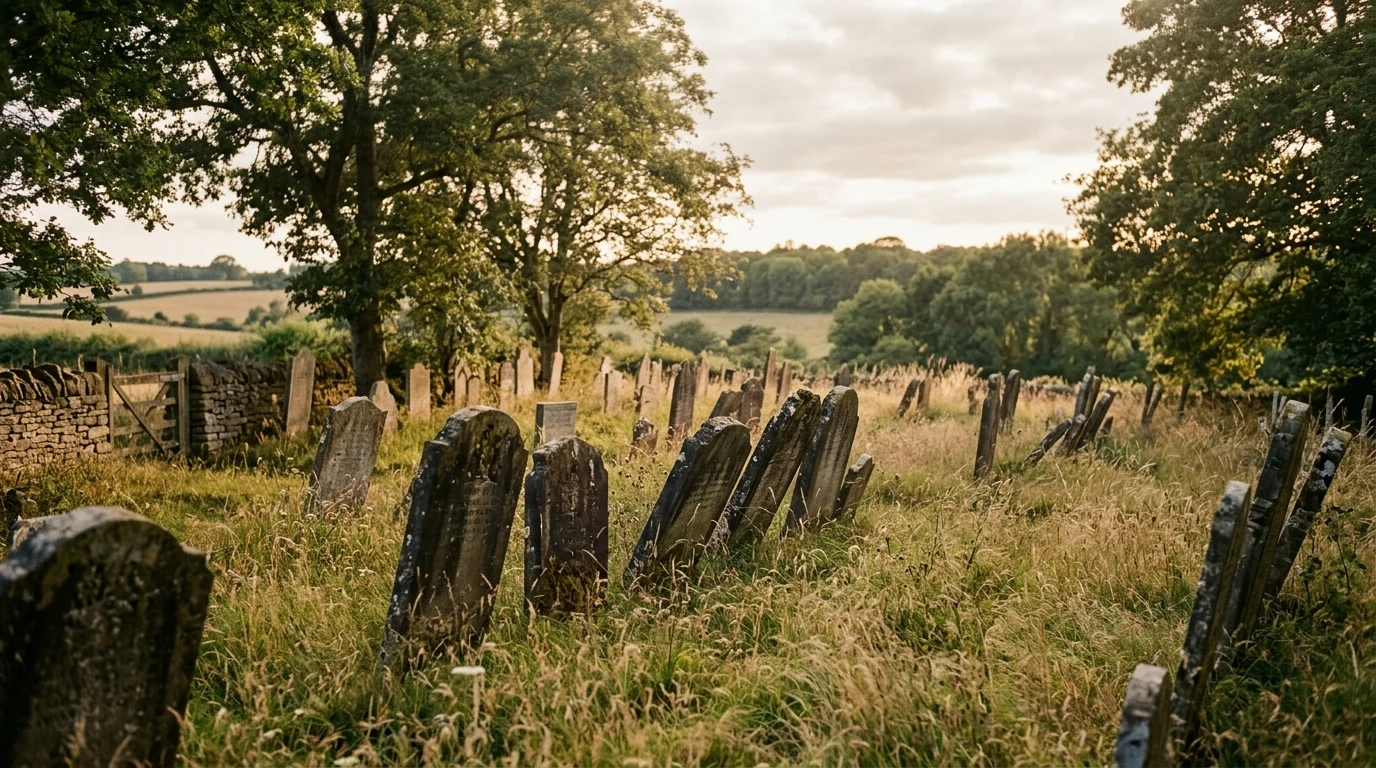
You are walking through an old cemetery on a warm afternoon. It is not your family's cemetery — it is somebody else's, in a country town you happen to be in for a weekend wedding. You arrived a few hours early. You decided to walk.
The newer stones are clean and have full names. The older stones, 1872, 1899, 1903, are softened to almost nothing by a hundred and twenty years of rain. The names have left in the order they were given — surnames first, then first names, then dashes between dates, then the dates themselves. On a few of the oldest stones there is no longer text at all. There is just the shape of a stone that used to be a person.
Nobody alive remembers any of them by name.
They are not haunting. They are not missed. They are not even sad. They have simply gone all the way.
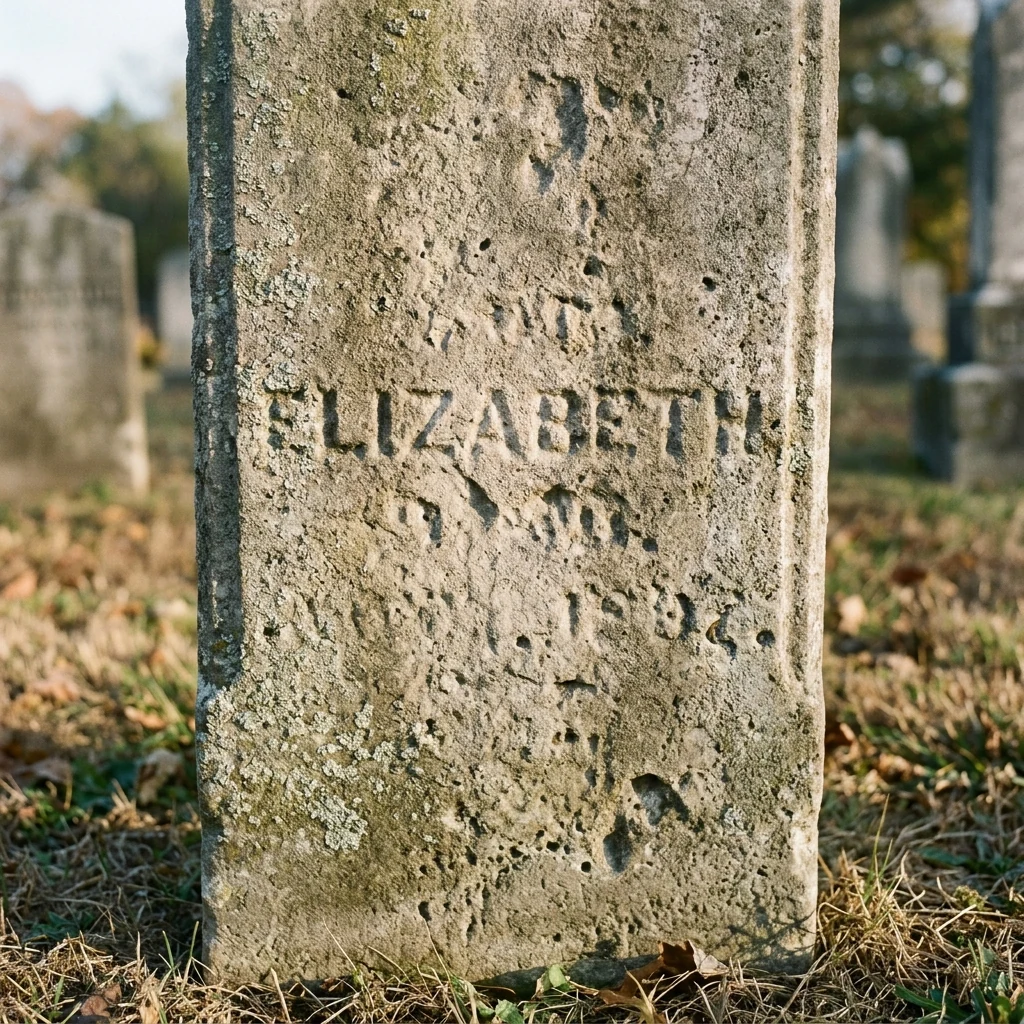
You walk through anyway. The grass is high in places. A few of the stones have been straightened recently by someone, probably the council. You touch one of them — a small one, 1888, no name visible — and feel the soft texture of weathered limestone. The stone is warm. The afternoon is warm. The dead are doing what the dead do, which is nothing in particular.
The numbers, when you let yourself look at them, are gentler than they sound.
Estimates of the total number of humans who have ever lived hover around a hundred and seventeen billion. Of those, a generous count would put perhaps a few thousand in any history book anyone reads. So the probability of being remembered, by any meaningful measure, after dying — even being remembered as a name — is roughly one in tens of millions. Most of the people who have ever existed are now what these older stones are: a softened shape, a date with nothing attached, then nothing at all.
The half-life of memory inside a family is shorter than it sounds. Most people can name their parents and grandparents. A meaningful minority can name their great-grandparents. Almost nobody can name their great-great-grandparents — and these are people whose contemporaries were celebrating their births. They had favourite foods and embarrassing teenage haircuts and friendships that lasted decades. They cared, painfully, about being good. The names disappear before the bones do.
Even of the historically famous, most are now names with no faces. Of the millions of Romans alive at the time of Augustus, we know maybe a few hundred by anything more detailed than a fragment of inscription. The forgetting is the norm; the remembering is a freakish exception, and is almost always recovered for reasons unrelated to the people themselves — they happened to be on the throne, in someone else's diary, in a battle whose date got pinned by a clerk who needed to be paid.
The first thing to notice about this mathematics is how quiet it is. The forgetting does not happen in a sudden purge. It happens in the same way the cemetery stones erode: imperceptibly, across generations, with nobody especially present at any of the moments. Your great-grandmother had a favourite biscuit. Nobody alive now knows what it was. The information was not destroyed. It was just not loaded onto the next generation's slate.
The second thing to notice is stranger. Once you have actually sat with this fact — really sat, not flinched away — it stops being threatening.
The strangers in the year 2270 who do not remember you cannot use that absence to hurt you. The descendants who do not know your name cannot be disappointed by you. The world, in surprisingly little time, will simply stop having you in it. You will not be hated. You will not be misunderstood. You will not have your reputation revised in some uncharitable direction by a generation that does not know what your generation was up against. You will not, in any sense, be evaluated.
The first nicest thing about being alive is being alive — being here now, with the people you love. The second nicest thing is what happens, very gently, after.
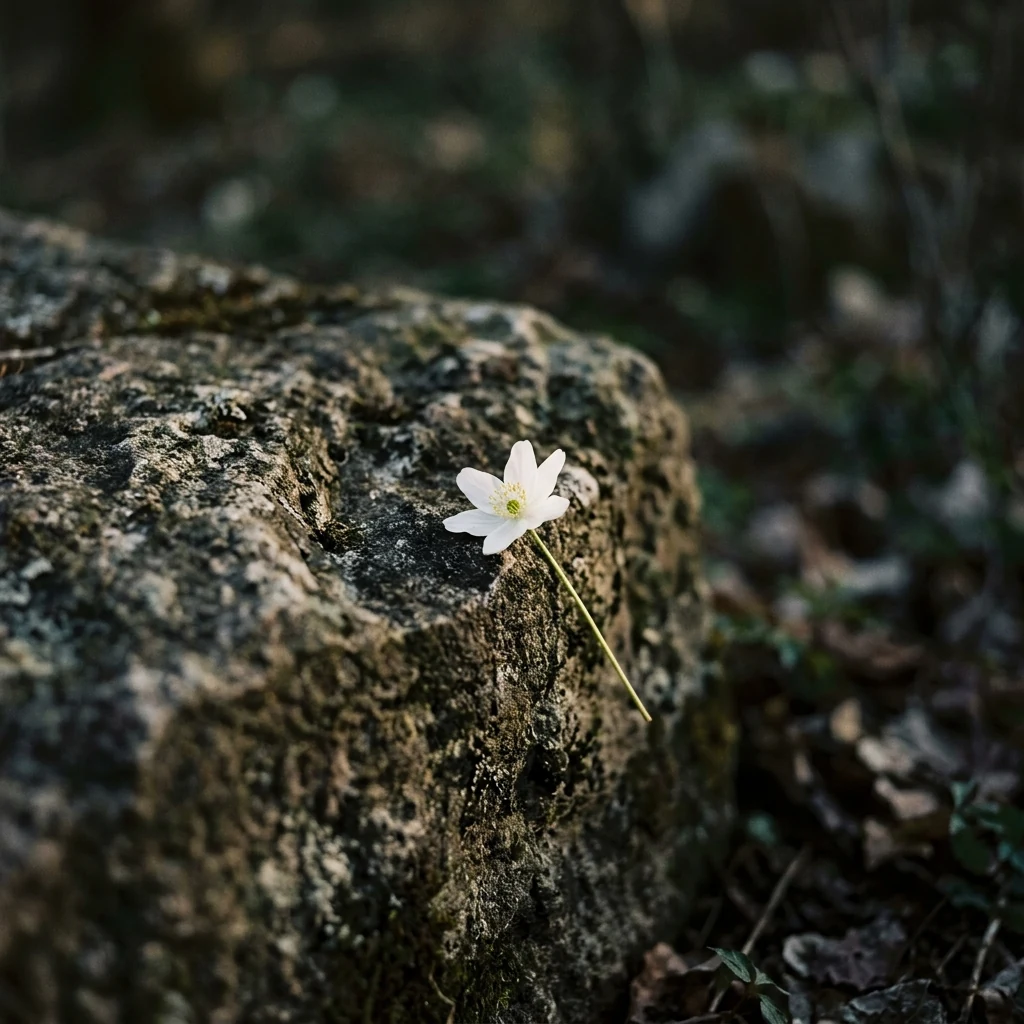
And so the species, all of it, moves through the same gentle and uniform fog of forgetting. And so you, on a warm afternoon walking past a stone from 1899 with a name softened to almost nothing — are looking at your own future. And it is, almost embarrassingly, fine.
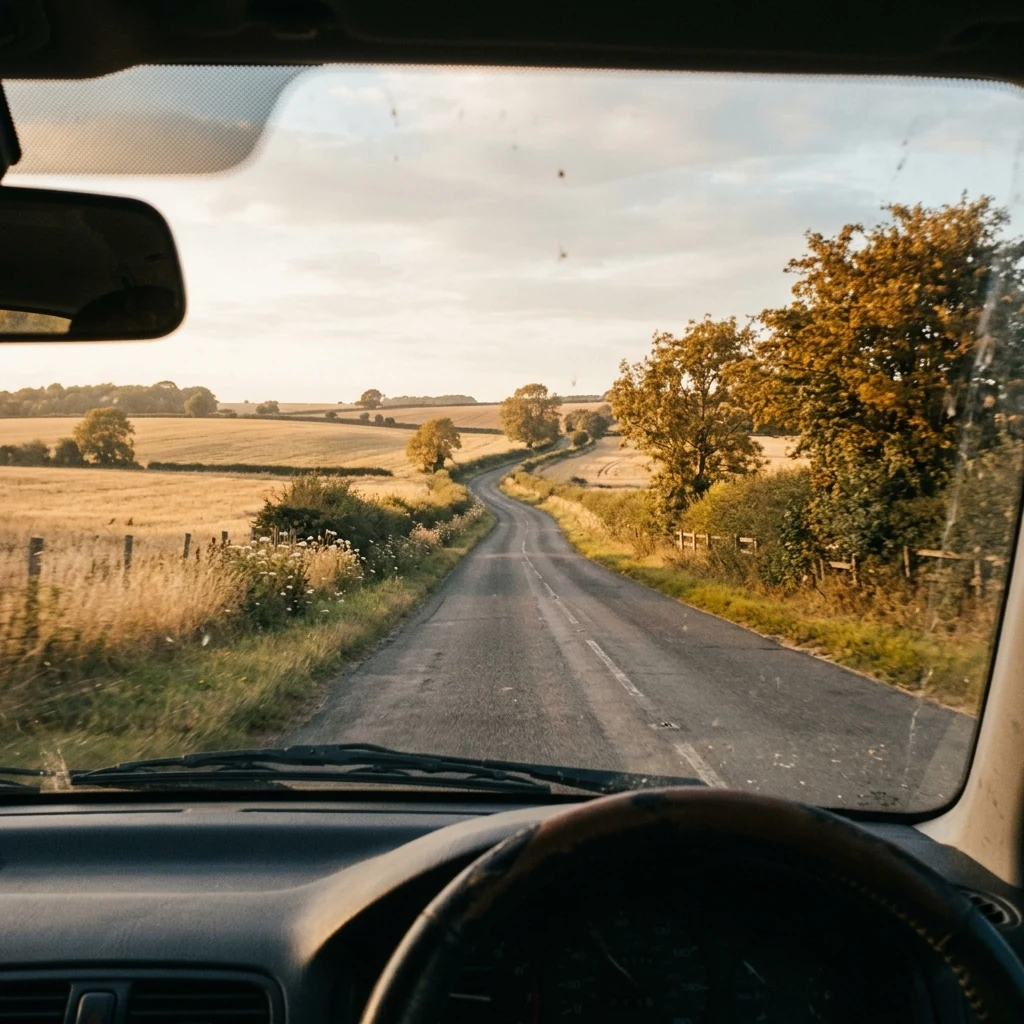
You finish the walk through the cemetery. You get back into the rental car. The wedding is at six. The bride is somebody you have known since school — twenty-something years now, a number that used to mean impossibly long and now seems like a kind of starter friendship.
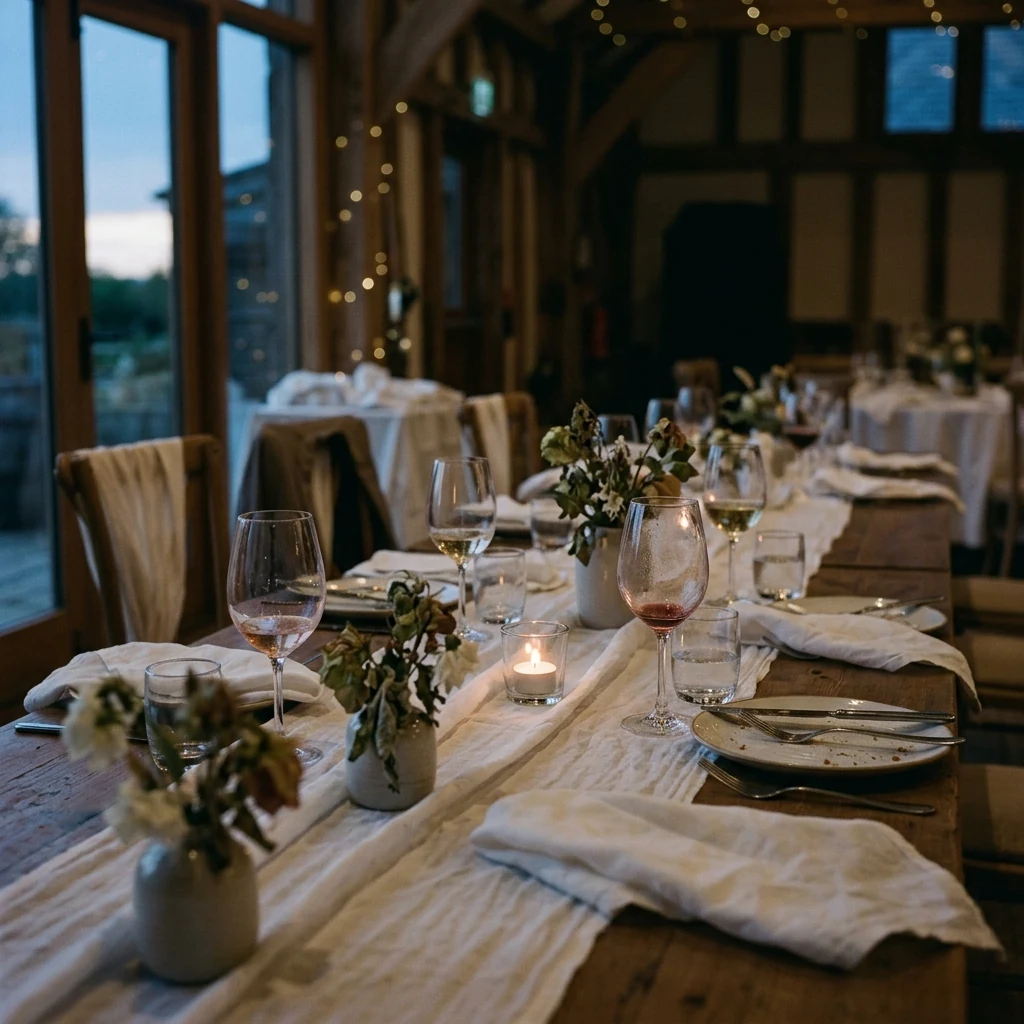
At the reception there will be a toast to a grandmother who died in 2003. The toast will be lovely. Most of the room will not have met her. Several of them will not even know her name by Monday. This, also, is fine. The room is doing what rooms do — holding a name aloft for a moment, just long enough.
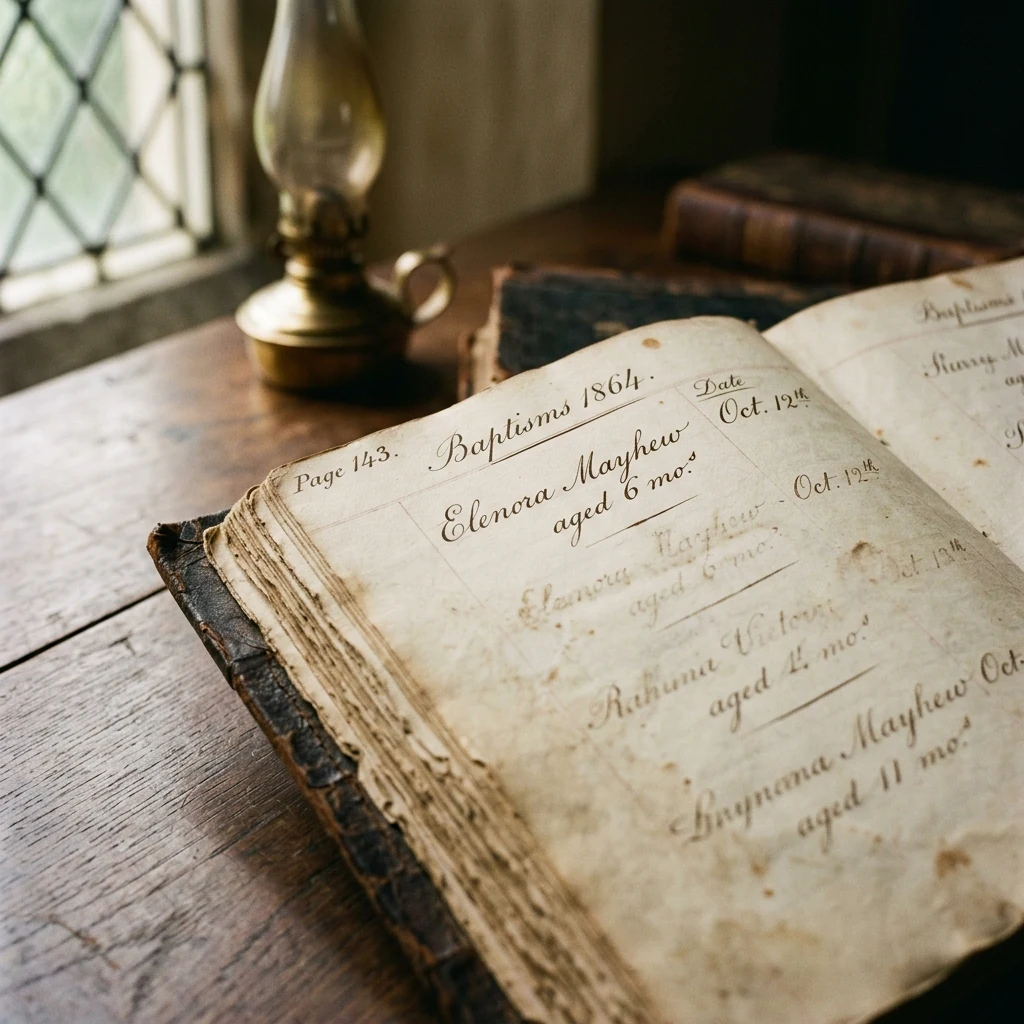
You drive on. The fields go past. You think about how, in a few generations, the room you are about to walk into will not exist in anyone's memory. Neither will the toast, nor the salmon, nor the soft sound of the saxophone player you cannot place. You will not remember it perfectly yourself in five years.
This thought, against all reasonable expectation, makes you happier on the drive than you usually are.
You arrive. You get out of the car. You go in.