The Supermarket at Midnight Is the Closest Thing This Century Has to a Cathedral
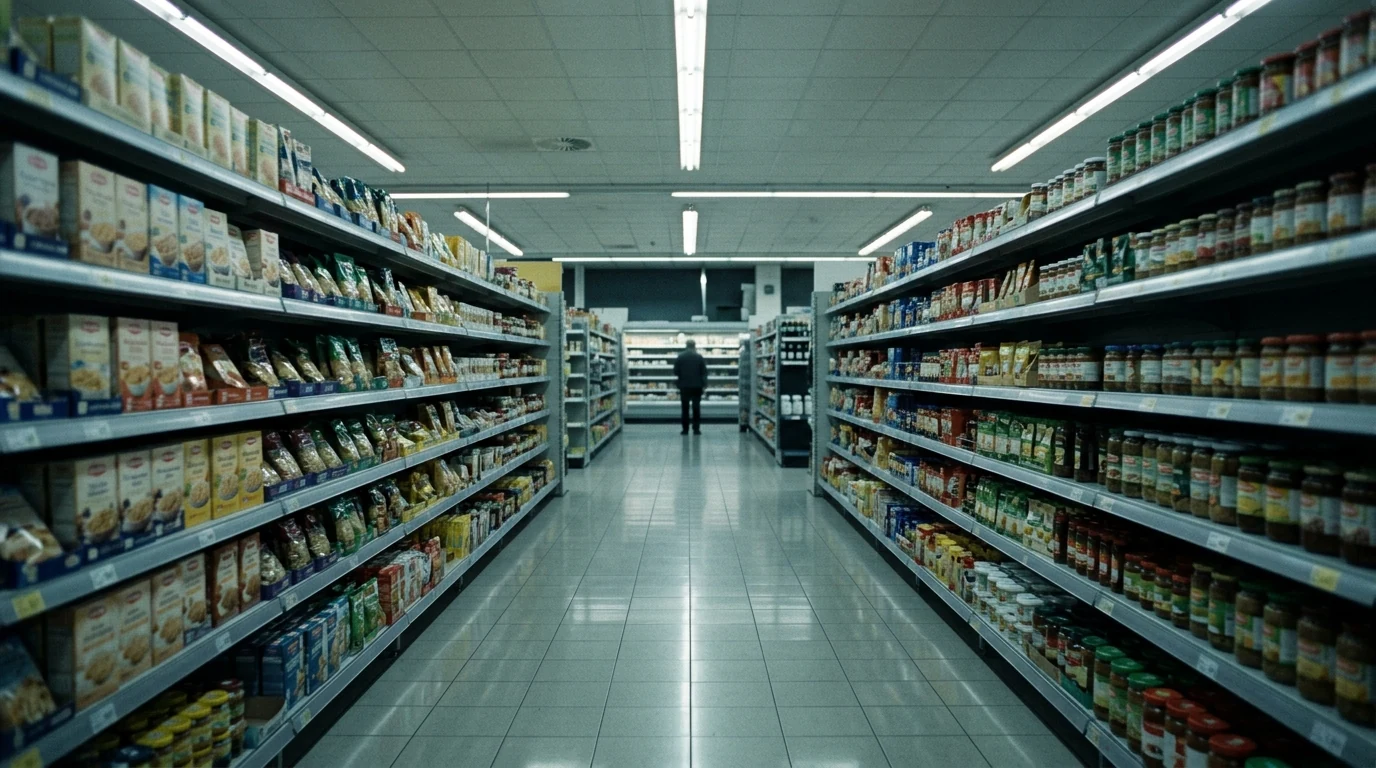
A 24-hour supermarket. Late. Maybe 11:48. You came for something specific. You no longer remember what.
The fluorescent light is very particular. The music is doing what supermarket music does, which is being just present enough to not be silence and just absent enough to never be heard.
There are three other people in the store. One is in cleaning supplies. One is in the wine aisle, holding two bottles of the same wine and weighing them as though one of them might be a fraction lighter. One is at the bakery section, which has long since closed for the day, but which they are nonetheless gently studying. None of them are looking at you. None of them are looking at one another. None of them are looking, in any committed way, at what they came for.
You walk down the cereal aisle and back up the cleaning aisle. You touch a bottle of olive oil for no reason. You put it back.
You are not buying anything.
You are doing something else.
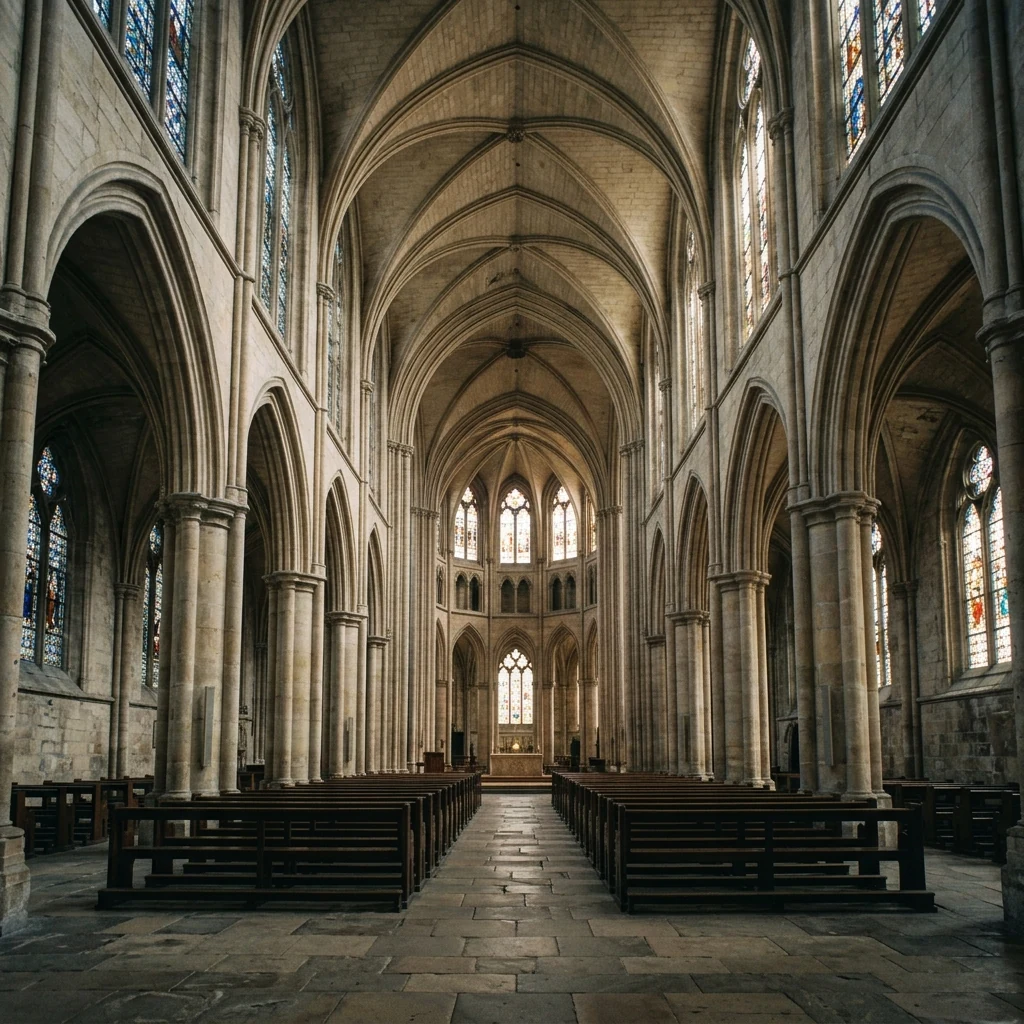
The cathedral, in its medieval prime, did a number of specific things very well.
It was open at hours when very little else was open. It cost nothing to enter. It had a particular kind of light — diffused through coloured glass, cool, oriented toward a vault somewhere above the head — which the body recognised as different from outdoor light. It contained other people, but the other people were not asking anything of you. You could spend an hour there without anyone speaking to you and without anyone considering it strange. There was an option of small ritual purchase — a candle, lit and placed before a saint who would never know you bought it — but the purchase was optional, and the purchase was never the point. The point was the being there. The cathedral was the place that allowed the off-hours self to exist somewhere that was not its bedroom.
The 24-hour supermarket meets every one of these criteria.
The fluorescent light is, in its specific way, sacred. It is engineered — not by anyone meaning to make it sacred, but by people optimising for product visibility — to flatten time, to remove shadows, to produce a state of low-affect attention. You enter a 24-hour supermarket at 11:48 and you cannot tell whether it is 2pm or 4am, and the body, which has wanted to be released from circadian time for as long as humans have had a circadian system, sinks slightly.
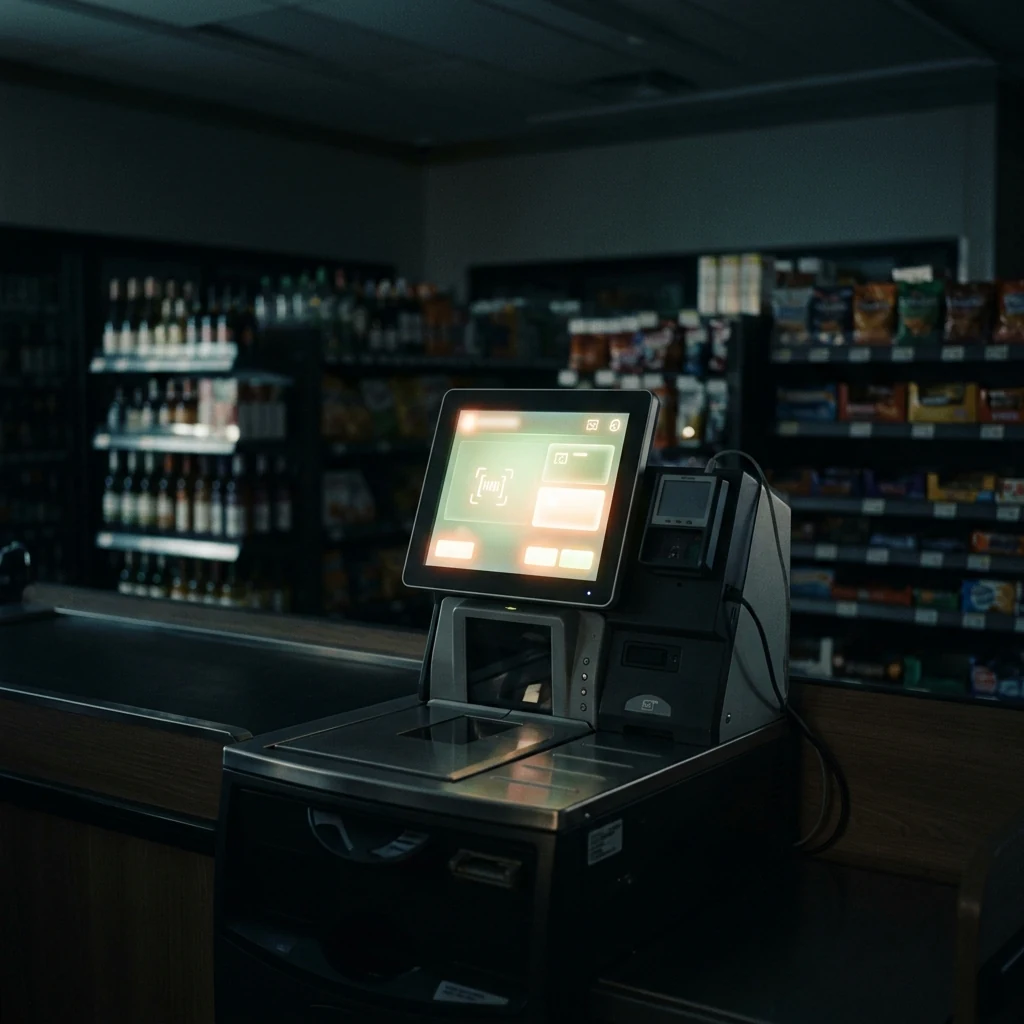
The music is plainsong. The product aisles function as nave and transept. The self-checkout — the small ritual at the end where you have to handle the candle yourself — is the modern, less generous priesthood.
The other people in the supermarket, like the other people in the cathedral, are doing what you are doing: nothing in particular, gently. They are not threatening. They are not friends. They are present but unrequiring. This is one of the most underrated psychological needs of modern adult life, and the supermarket, more than any other building of this century, has organised itself to meet it.
You can, of course, also buy yoghurt. The yoghurt is incidental.
What is striking — and this is where the essay needs to land — is that this is not a new pattern.
The cathedral's psychological function did not vanish when belief declined across the secular West. It just changed buildings. It moved into 24-hour pharmacies, IKEA showrooms, airport terminals, late-night convenience stores, certain railway stations. These are spaces where the off-hours self can exist among others without explanation. Most secular adults in this century do not have a cathedral. They have a Carrefour at 11:48 pm. The function is preserved. The vocabulary that would have named the function is gone.
And so you, at 11:48 in the fluorescent silence, holding a bag of frozen dumplings you did not come for and will probably not eat — are doing what humans have always done in places they could not justify being.
You take the dumplings to the self-checkout. The machine asks if you want a bag. You say yes. You do not need a bag.
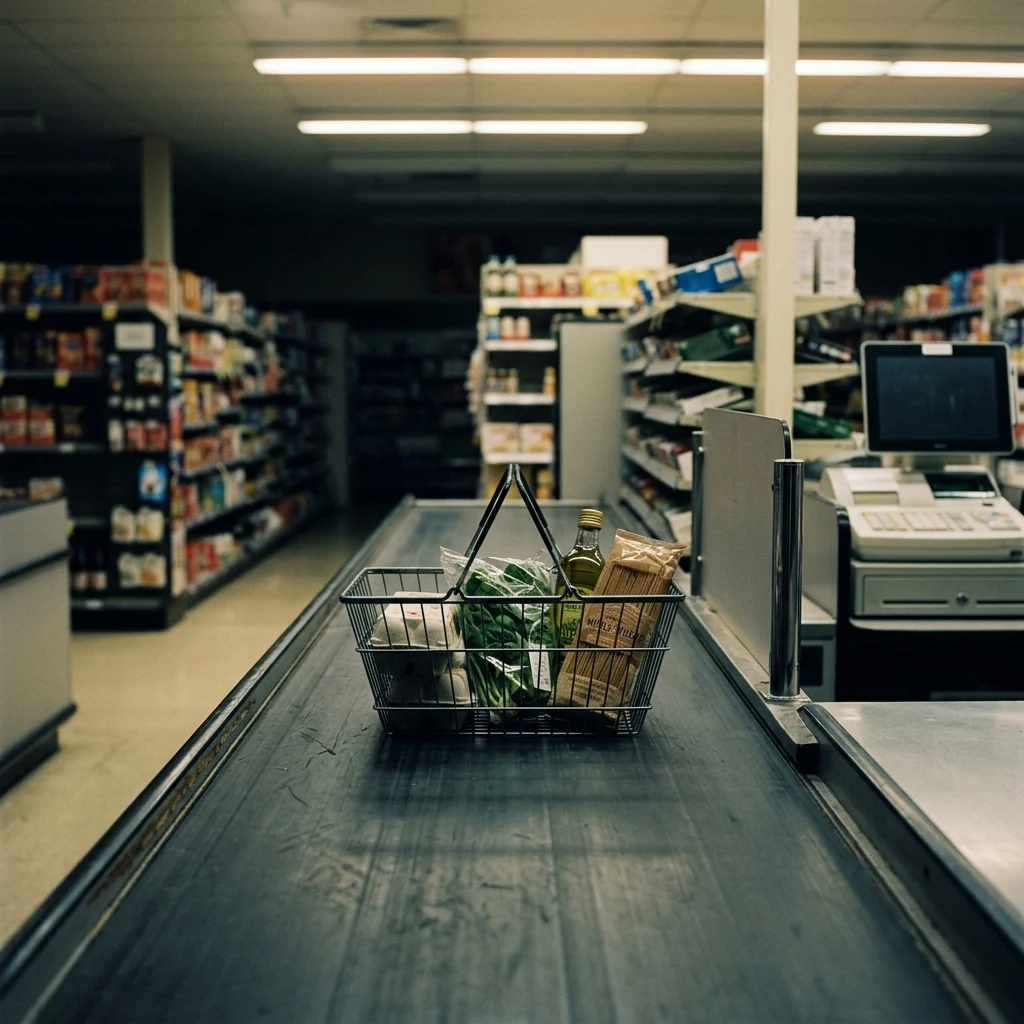
The receipt is longer than the transaction. You fold it twice, the way you always fold receipts, for no reason.
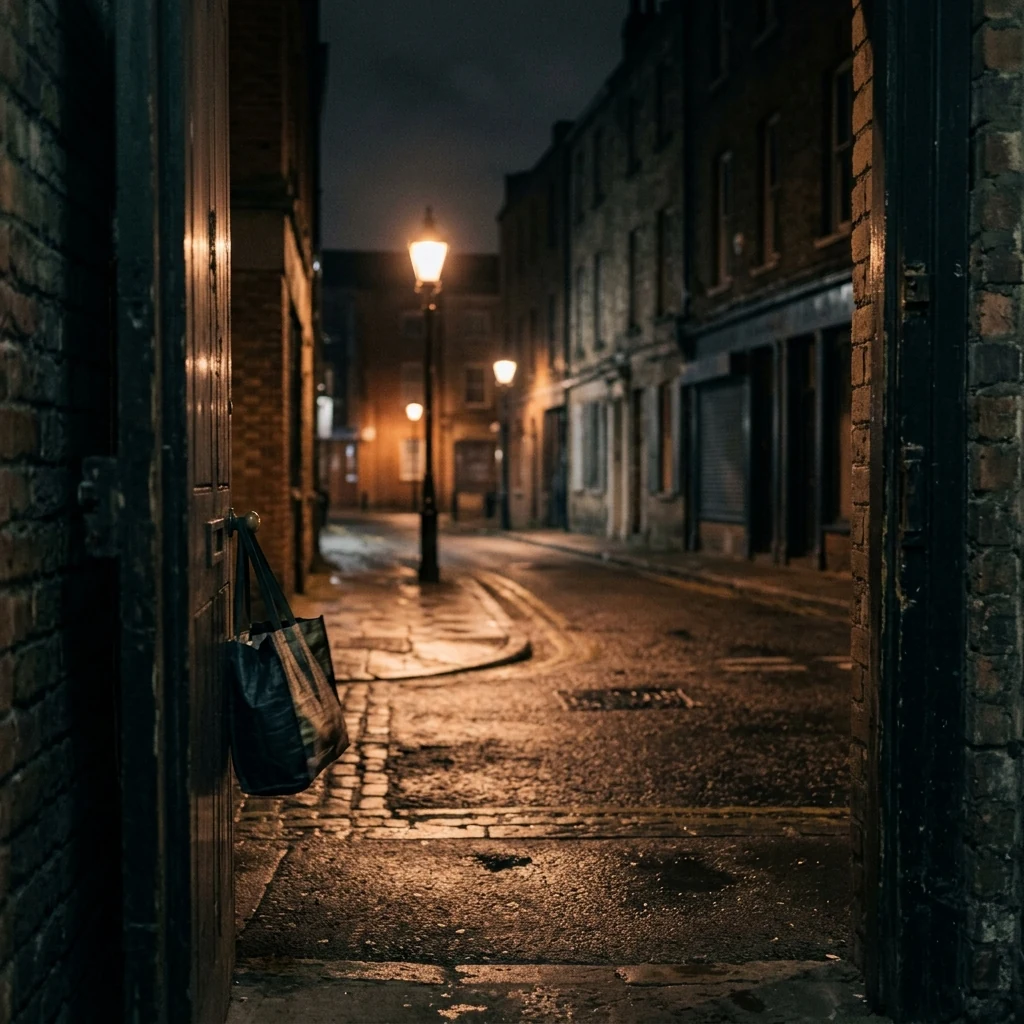
You walk out. The street is empty. The night is cold. You walk home with the dumplings in the bag, swinging slightly. You will not eat them tonight. They will sit at the back of the freezer for nine months and then be quietly transferred to the bin in a spring cleaning.
You will go back. Probably this week.
The cathedral is open until 11pm tomorrow.