The Benevolent Dictatorship of Habit
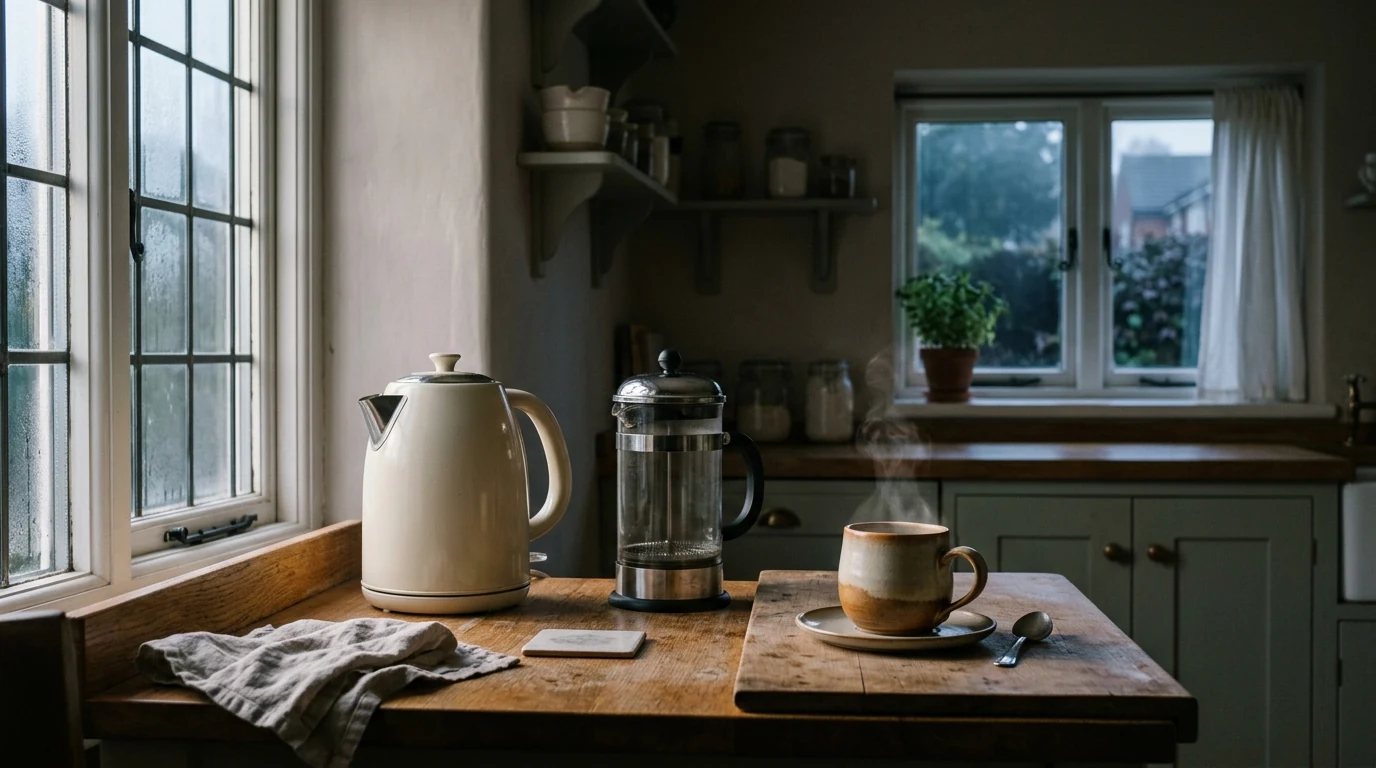
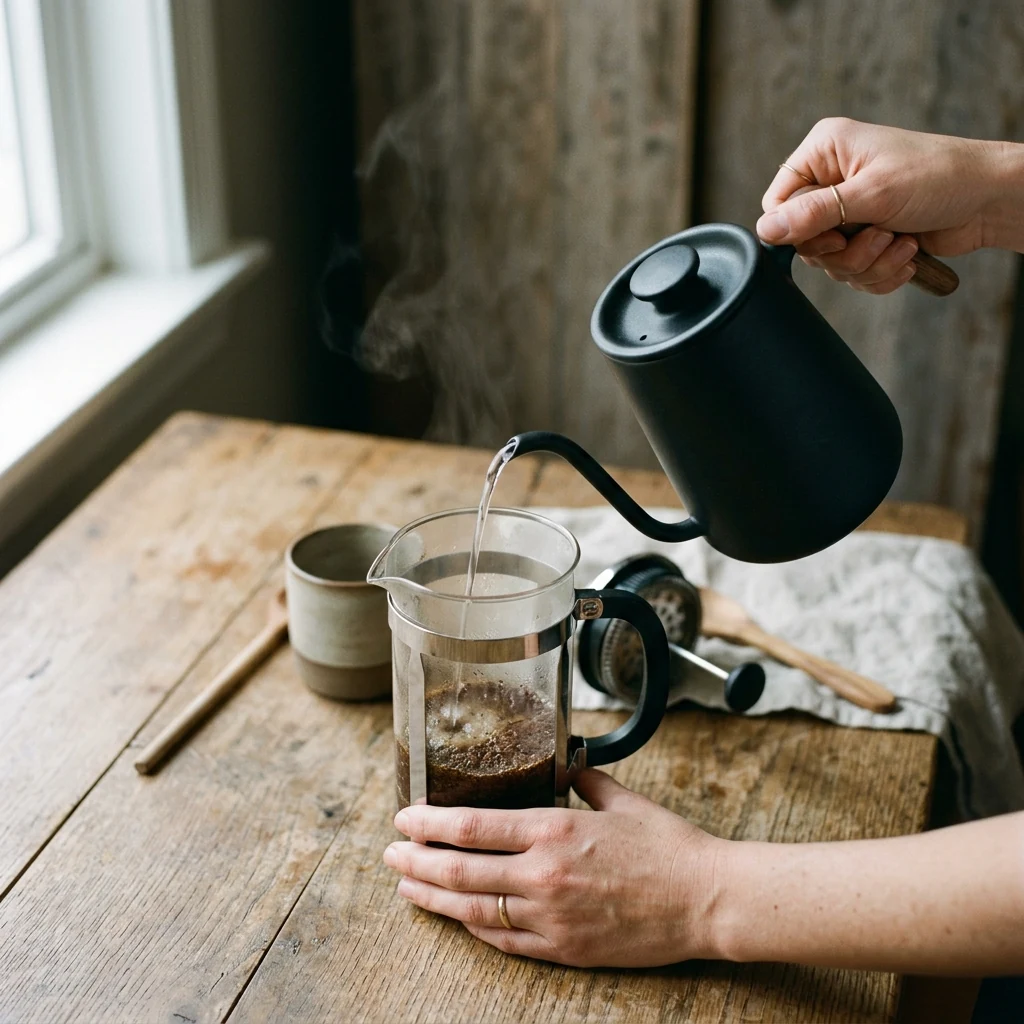
You wake at 6:42 a.m. You did not set an alarm for 6:42. The alarm is at 7. Your body always wakes eighteen minutes before, in the way of a workplace contractor who has decided to arrive early without telling anyone. You go to the kitchen with your eyes mostly closed. The kettle clicks on. You spoon coffee into the cafetière without counting; your hand counts. The kettle whistles. You sit at the table while the water steeps. Your phone is across the room. You haven't decided to leave it there. You just always do.
You drink the coffee. You don't remember tasting the first three sips. By the time you taste anything, half the cup is gone.
Habit lives in a part of the brain called the basal ganglia, which sits deep beneath the cortex, in the older basement. The basal ganglia are very old. They were doing this — automating sequences of motor action — when your ancestors were small lizard-like things with no inner life worth mentioning. The cortex, which is the part of you that gets tired, the part that worries, the part that decides, is a relatively recent addition. The basal ganglia have never noticed.
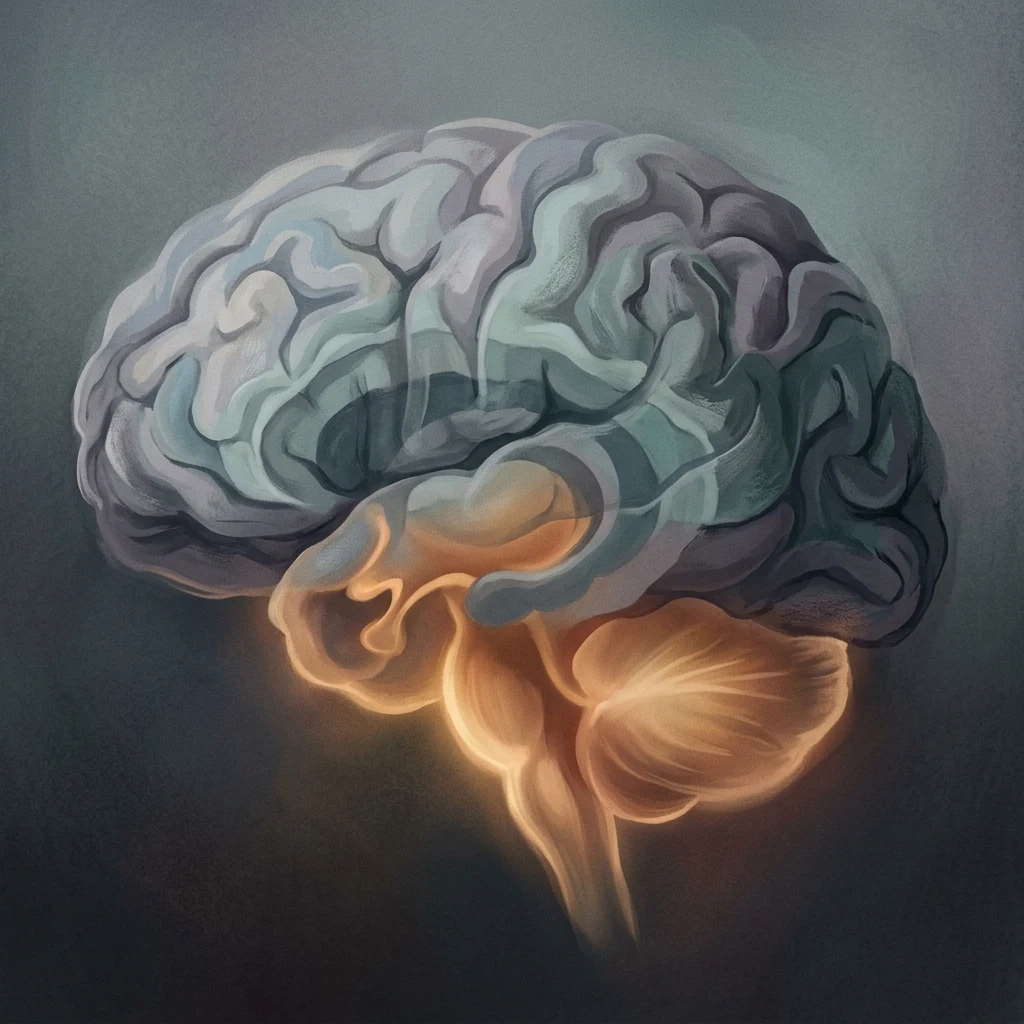
What the basal ganglia do is take a sequence you have performed many times and pack it into a single bundle that no longer requires the cortex to be present for its execution. Brush teeth. Lock door. Tie shoe. Make coffee. Each of these is, neurologically, a vastly compressed loop. The cortex can be elsewhere. The cortex can be thinking about an argument you had three days ago, or whether your father is going to be alright, or what you said at the meeting yesterday that you wish you had not said, or whether the noise you can hear is the boiler or a problem. The body executes regardless.
This is not laziness. This is engineering. The brain is a finite organ in a small dark box; it cannot afford to deliberate fresh about every gesture. So it offloads everything it has done before — the morning coffee, the route home, the order you put your clothes on in, the way you say hello on the phone — into the basement, where the machinery runs on cheap fuel and never reports upstairs. The cortex, freed of all that, can be a worried child in the attic.
Most of what you think of as you — the deciding, willing, choosing self that lifts its head in the mirror at night and says I — is a small island on top of a vast machine of inherited gesture. The machine is older than your name. It is older than your language. It does not ask permission. It does not get tired. It just keeps doing things.
And so the basal ganglia hum on in their underground manner, and so you, half-asleep at the kitchen table on a Wednesday in February with a cup of coffee being made by hands you don't remember asking to make it, realise that the part of you that you most relied on to feel like a self is the smallest part of you — and the rest, the rest is what is holding you up.
You can do an extraordinary number of things badly when you have to. You can also do a small number of things very well, very often, without paying any attention. The first is called effort. The second is called habit. The first runs out. The second does not.
Most of the people you love are practising you back at you every day. Your name. Your face. The cup you take when there's a choice of cups. The chair you sit in. The way you laugh when something is not really funny. The order in which you read the news. The walk home. They are not, in any of this, choosing. They are doing what they always do. That is not insignificance. That is being held in place.
Routine has a bad reputation in this century. It is associated with stagnation, settling, the unexamined life — and the unexamined life, the saying goes, is not worth living. But the examined life is a luxury of having something underneath examining you. Habit is what is underneath. Habit is the river the boat sits on. The boat does not know about the river. The boat believes it is steering.
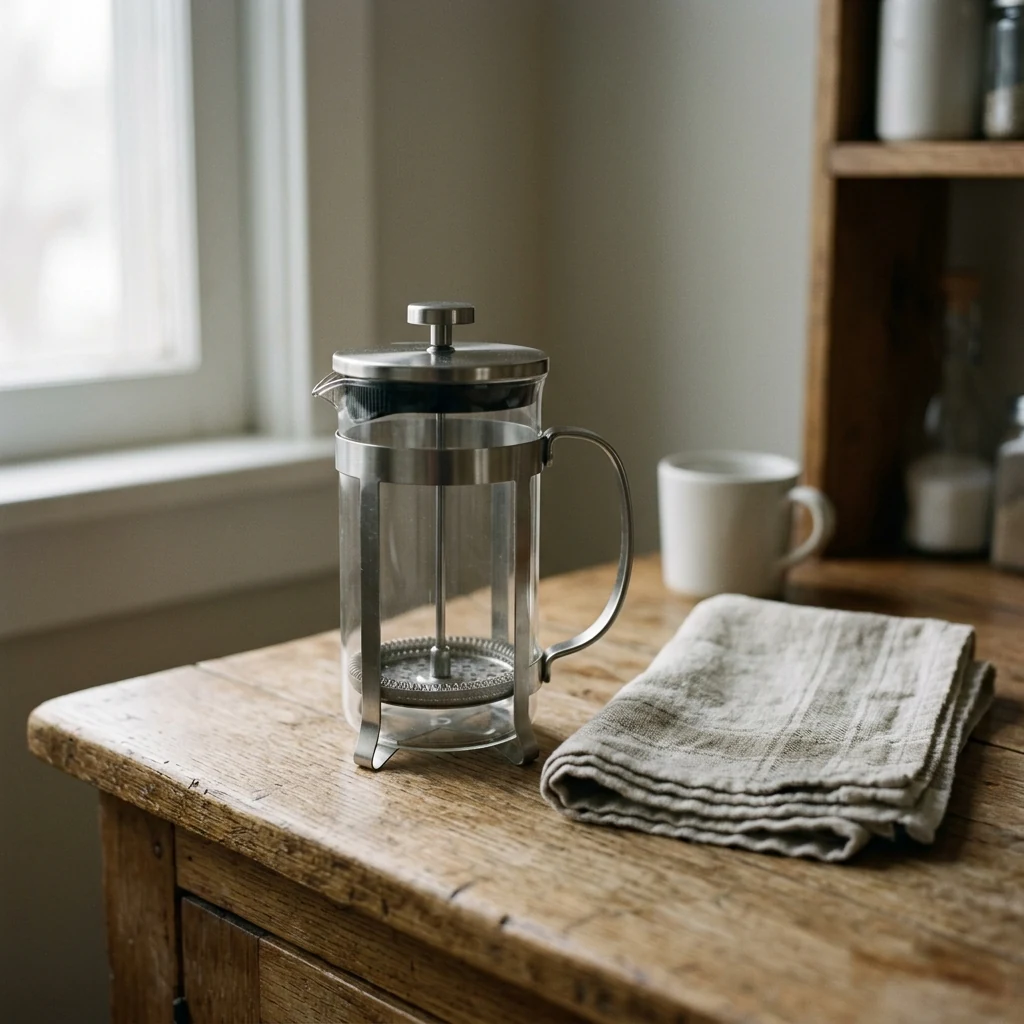
There will come a year, eventually, when the deciding part of you can no longer do its job — through grief, or illness, or the slow erosion of attention that comes with age. The deciding part is the first part to go. It is the most expensive. When it goes, what is left is the basement machinery, still humming. You will still wake at 6:42. You will still go to the kitchen. The kettle will still go on. This is not a horror story. This is a mercy. The machinery is what carries you across the days you cannot be present for.
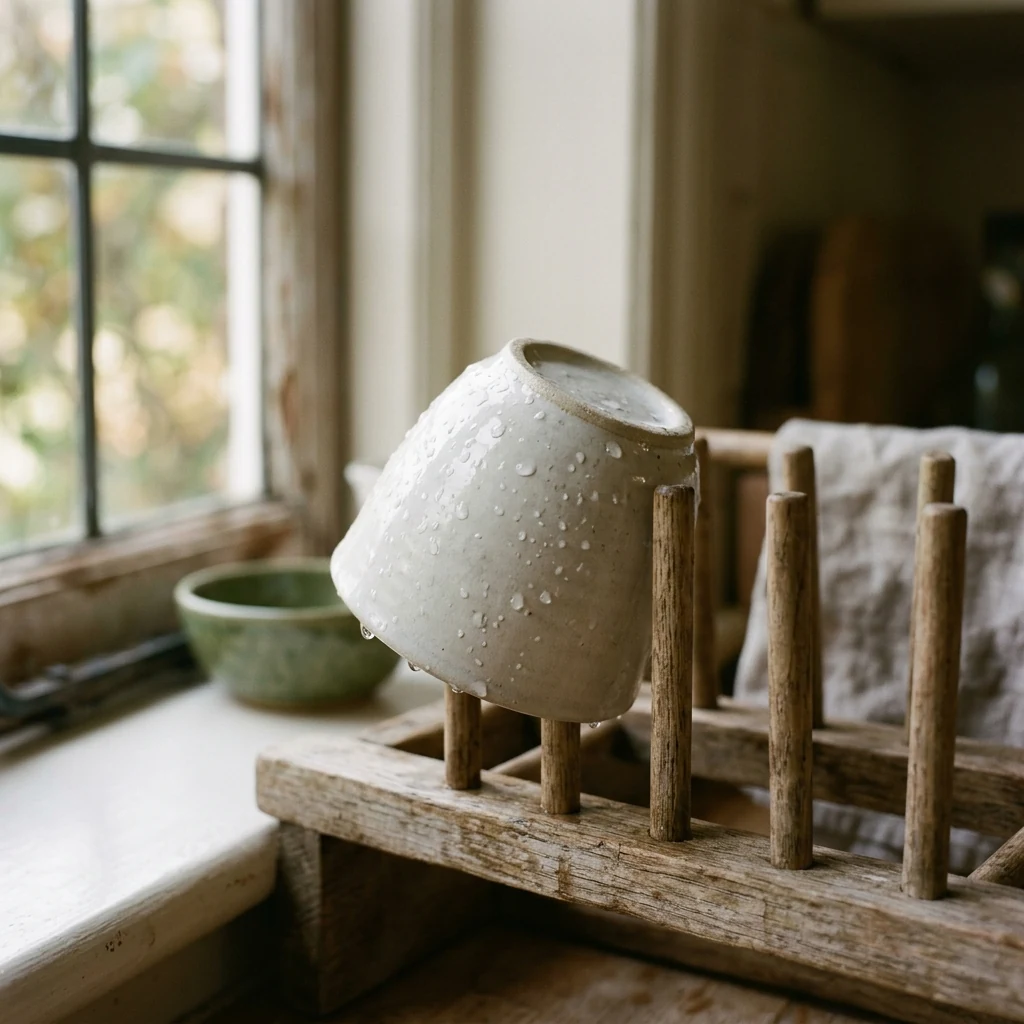
You finish the coffee. You wash the cup. You did not decide to wash the cup.
You washed it the way you wash it.
The day begins.